






Home / News / India News / Article /
Chandrayaan-1 data hints electrons from earth forming water on moon
Updated On: 15 September, 2023 02:18 PM IST | Delhi | PTI
Chandrayaan-1 played a crucial role in the discovery of water molecules on the Moon. The mission, launched in 2008, was the first Indian lunar probe under the Chandrayaan program.

Listen to this article :
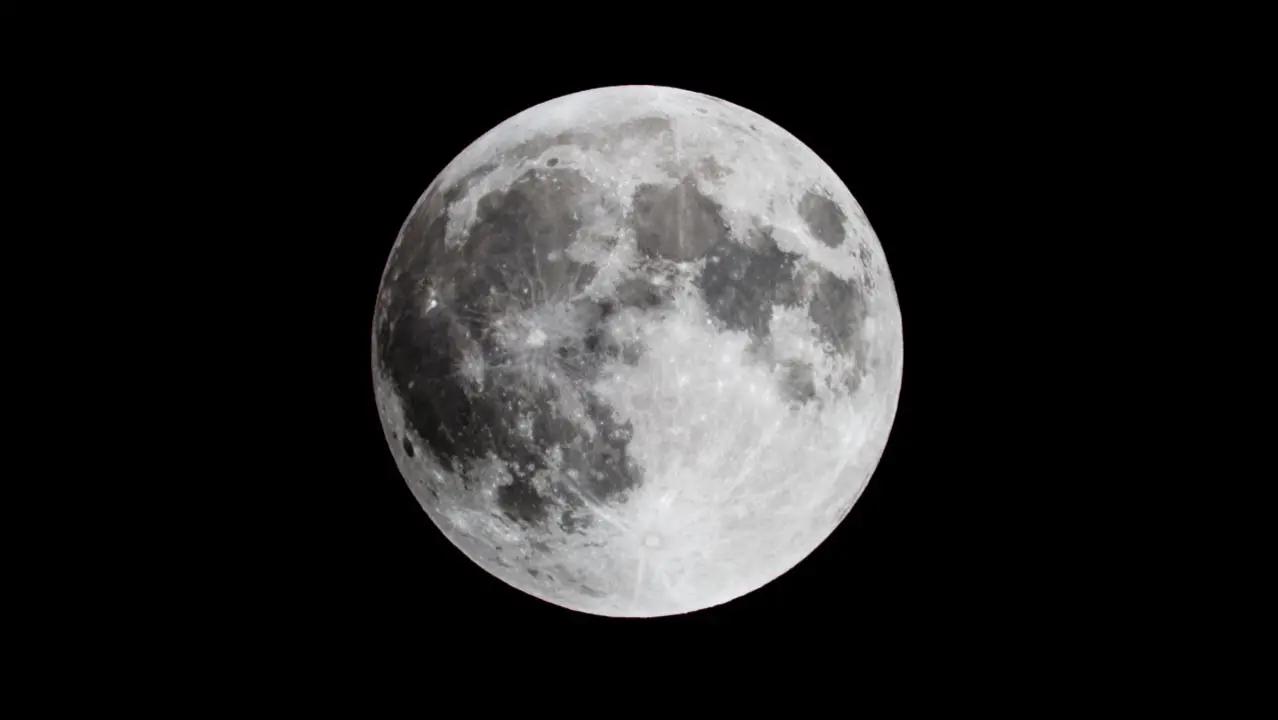
Image for representational purpose only. Pic: istock
Scientists analysing the remote sensing data from India's Chandrayaan-1 lunar mission have found that high-energy electrons from the Earth may be forming water on the Moon. The team led by researchers from the University of Hawai'i (UH) at Manoa in the US discovered that these electrons in Earth's plasma sheet are contributing to weathering processes -- breaking down or dissolving of rocks and minerals -- on the Moon's surface.
The research, published in the journal Nature Astronomy, found that the electrons may have aided the formation of water on the lunar body.
Knowing the concentrations and distributions of water on the Moon is critical to understanding its formation and evolution, and to providing water resources for future human exploration, the researchers said.
Trending Stories
Latest Photos
Latest Videos
Latest Web Stories
ADVERTISEMENT
Mid-Day Fast
ADVERTISEMENT

ADVERTISEMENT