






Home / News / India News / Article /
Study warns of chemical pollution threat to endangered Gangetic dolphins
Updated On: 17 May, 2025 01:26 PM IST | New Delhi | mid-day online correspondent
The Gangetic dolphin population has dropped by over 50 per cent since 1957, and their habitat range has decreased by nearly 25 per cent, despite their status as India’s national aquatic animal

Listen to this article :
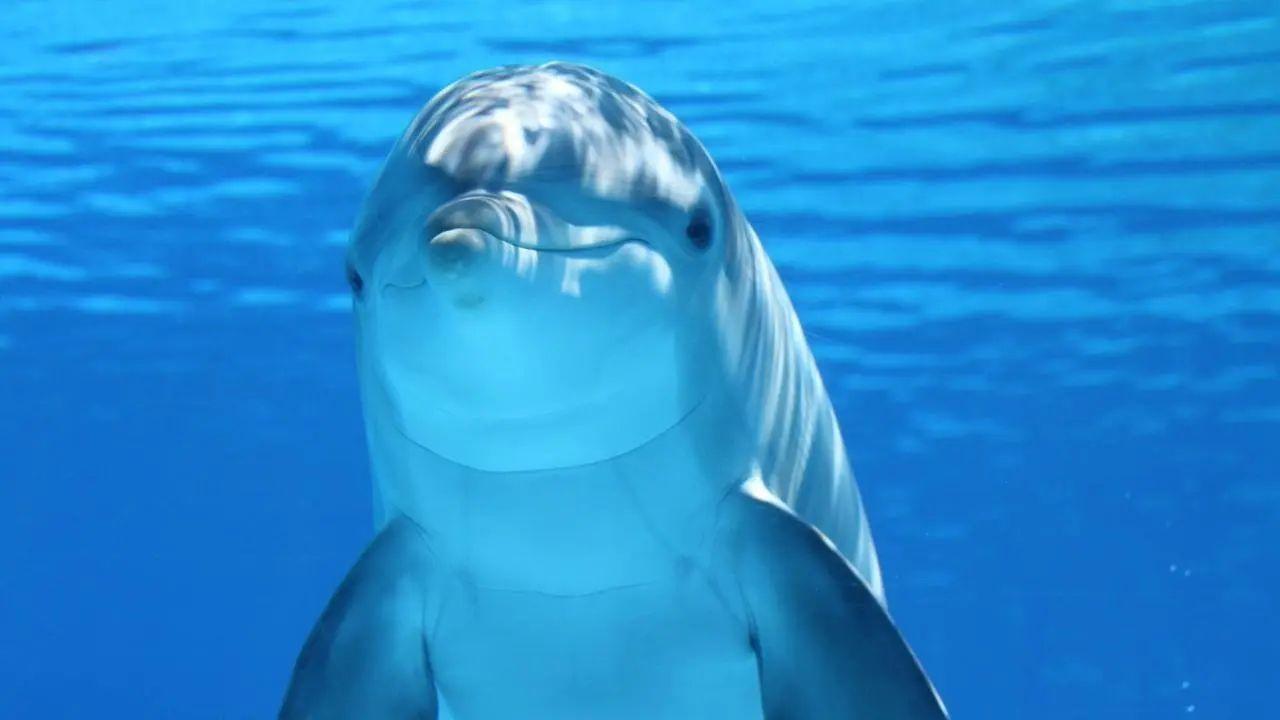
The Gangetic dolphin population has dropped by over 50 per cent since 1957
A recent study published in the journal ‘Heliyon’ by the Wildlife Institute of India reveals that Gangetic dolphins are being exposed to harmful endocrine-disrupting chemicals (EDCs) through their diet. Researchers assessed the dietary risk from 39 EDCs present in fish species commonly consumed by these freshwater mammals.
The study found significant bioaccumulation of industrial chemicals like di(2-ethylhexyl) phthalate (DEHP) and di-n-butyl phthalate (DnBP) in the dolphins’ prey. Additionally, traces of banned pesticides such as DDT and Lindane (γ-HCH) were detected, highlighting weak enforcement of environmental laws in the Ganga basin.
Trending Stories
Latest Photos
Latest Videos
Latest Web Stories
ADVERTISEMENT
Mid-Day Fast
ADVERTISEMENT

ADVERTISEMENT