






Home / News / India News / Article /
Dust from NW India, Pak & Arabian Sea main aerosol sources for central Himalayas
Updated On: 08 October, 2021 10:07 AM IST | New Delhi | IANS
This dust transport and forest fires are the main sources of total suspended particles (TSP), particularly in the pre-monsoon period (March-May) when TSP concentration peaks in the region, said the study on source apportionment of atmospheric pollution

Listen to this article :
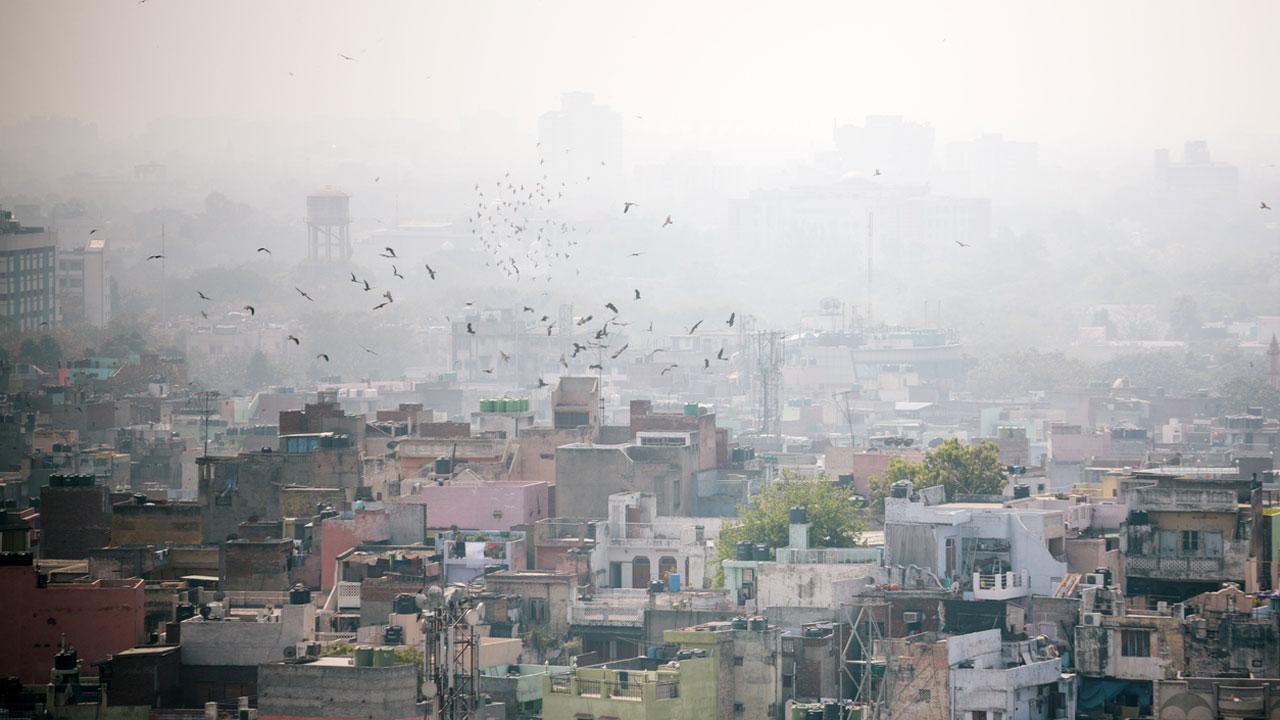
This picture has been used for representational purpose
Mineral dust (34 per cent) and biomass burning (27 per cent) are among the main sources of aerosols in the central Himalayan region, a new study has shown. Along with mineral dust and biomass burning, secondary sulphate, secondary nitrate from northwest India and Pakistan, polluted cities such as Delhi, the Thar desert, and the Arabian Sea area, and long-range transported marine mixed aerosols too contribute to the aerosols in the central Himalayas.
This dust transport and forest fires are the main sources of total suspended particles (TSP), particularly in the pre-monsoon period (March-May) when TSP concentration peaks in the region, said the study on source apportionment of atmospheric pollution. The study, which elucidates the atmospheric chemistry, emission source origins, and transport pathways of aerosol over the central Himalayan region, will help the assessment of contributions and temporal variability of sources that influence the area through regional transport as well as climate impacts assessment, a release from the Ministry of Science and Technology said on Thursday.
Read Next Story
Trending Stories
Latest Photos
Latest Videos
Latest Web Stories
ADVERTISEMENT
Mid-Day Fast
ADVERTISEMENT

ADVERTISEMENT