






Home / News / India News / Article /
'Maha to enter 'highly vulnerable' red zone for aerosol pollution in 2023'
Updated On: 07 November, 2022 09:56 PM IST | Nagpur | PTI
As per a release issued by Asar, an organisation working for environmental causes, high aerosol amounts include particulate matter (PM2.5 and PM10) comprising sea salt, dust, sulphate, black and organic carbon

Listen to this article :
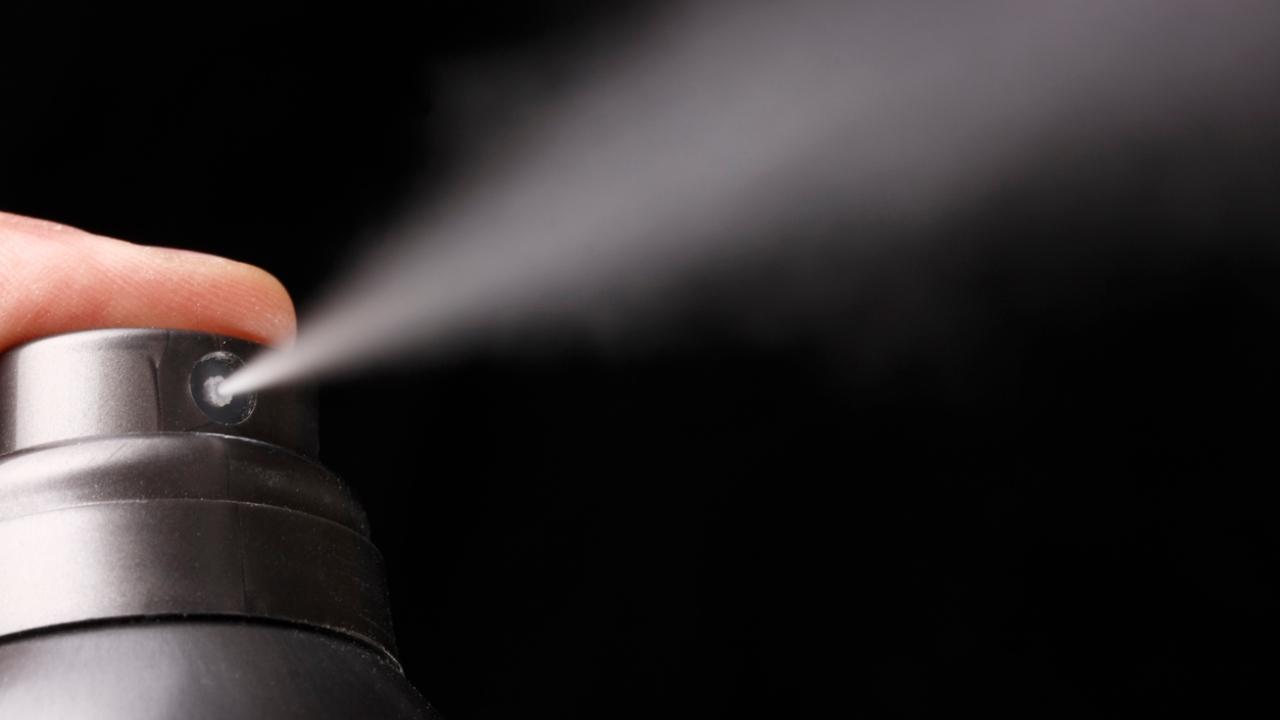
Representative image. Pic/Istock
Aerosol pollution in Maharashtra is likely to move to 'highly vulnerable' red zone from the current 'vulnerable' orange zone in 2023, which may lead to drop in visibility levels and pose a host of health problems for its citizens, a study revealed.
As per a release issued by Asar, an organisation working for environmental causes, high aerosol amounts include particulate matter (PM2.5 and PM10) comprising sea salt, dust, sulphate, black and organic carbon.
Read Next Story
Trending Stories
Latest Photos
Latest Videos
Latest Web Stories
ADVERTISEMENT
Mid-Day Fast
ADVERTISEMENT

ADVERTISEMENT