






Home / News / India News / Article /
Nasa has announced two missions to Venus by 2030 – here’s why that’s exciting
Updated On: 06 June, 2021 11:02 AM IST | Nottingham | PTI
In the latest announcement from Nasa's solar system exploration programme, two missions have been given the go-ahead' and they're both bound for Venus. The two ambitious missions will launch between 2028 and 2030.

Listen to this article :
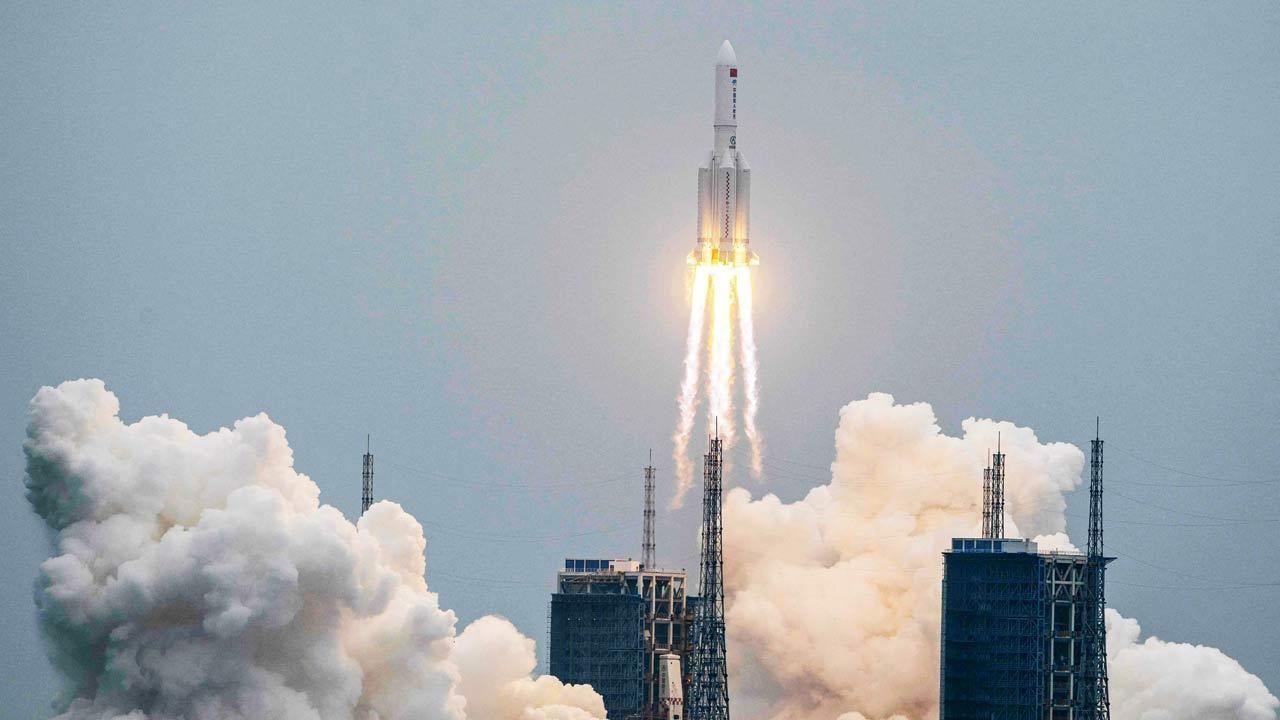
NASA. Pic/AFP
For decades, the exploration of our solar system left one of our neighbouring planets, Venus, largely unexplored. Now, things are about to change. In the latest announcement from Nasa's solar system exploration programme, two missions have been given the go-ahead ' and they're both bound for Venus. The two ambitious missions will launch between 2028 and 2030. This marks a considerable change in direction for Nasa's planetary science division, which hasn't sent a mission to the planet since 1990. It's exciting news for space scientists like me.
Venus is a hostile world. Its atmosphere contains sulphuric acid and the surface temperatures is hot enough to melt lead. But it has not always been this way. It is thought Venus started out very similar to the Earth. So what happened? While on Earth, carbon is mainly trapped in rocks, on Venus it has escaped into the atmosphere ' making it roughly 96 per cent carbon dioxide. This has led to a runaway greenhouse effect, pushing surface temperatures up to 750 kelvin (470 degree celsius or 900 degree Fahrenheit).
Trending Stories
Latest Photos
Latest Videos
Latest Web Stories
ADVERTISEMENT
Mid-Day Fast
ADVERTISEMENT

ADVERTISEMENT