Home / News / India News / Article /
Number of Indian districts affected by cyclones tripled after 2005: CEEW study
Updated On: 28 May, 2021 11:11 AM IST | New Delhi | IANS
On the back of recent cyclone, Yaas hitting the eastern coast, Council on Energy, Environment and Water (CEEW) has done an independent analysis in West Bengal and Odisha.





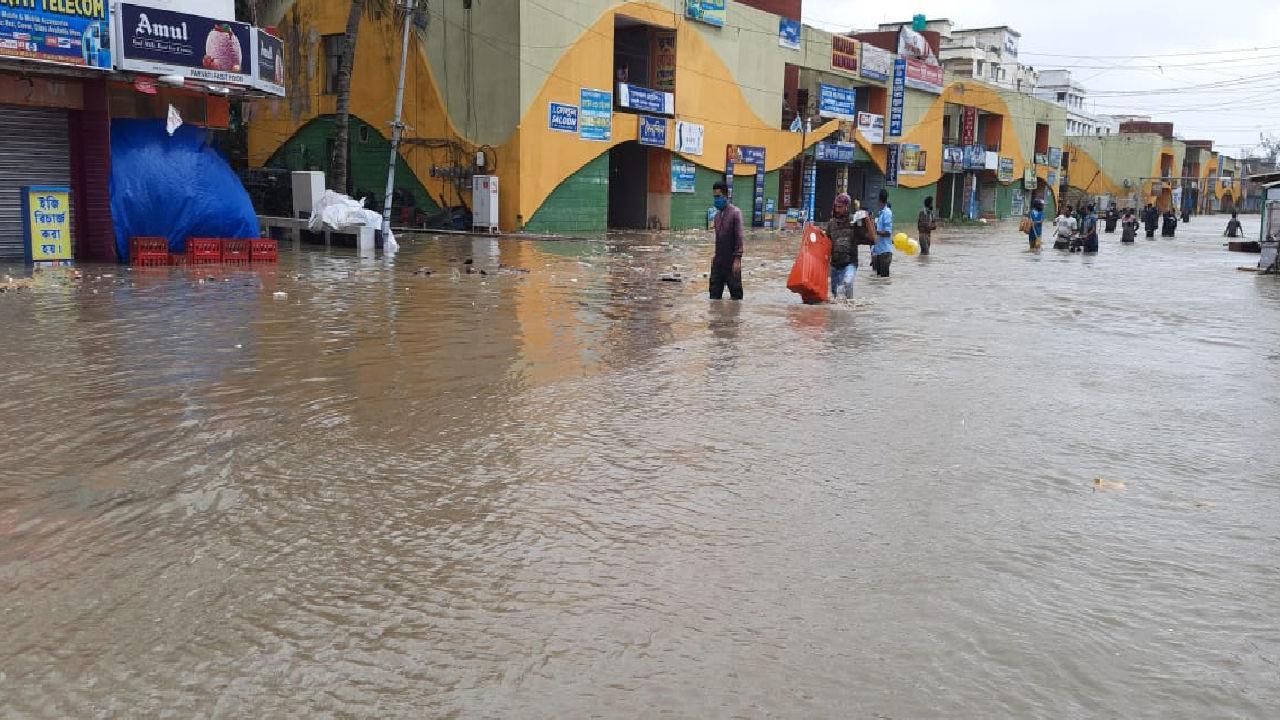
Flooded Digha city in West Bengal as a result of cyclone Yaas. Pic/Pallav Paliwal
More than 75 percent of Indian districts are hotspots for extreme climate events. On the east coast, more than 90 per cent of districts are hotspots for cyclones, floods, droughts and their associated events; these districts are home to over 250 million people. On the back of recent cyclone, Yaas hitting the eastern coast, Council on Energy, Environment and Water (CEEW) has done an independent analysis in West Bengal and Odisha.
According to a CEEW study, after 2005, the yearly average of the number of districts in India affected by cyclones tripled and the cyclone frequency doubled. In the last decade alone, 258 districts were affected. The cyclone hotspot districts are primarily concentrated along the eastern coast. These include Baleswar, East Godavari, Howrah, Kendrapara, Nellore, North 24 Parganas, Paschim Medinipur, Puri, Sivaganga, Tuticorin, and West Godavari.
Trending Stories
Latest Photos
Latest Videos
Latest Web Stories
ADVERTISEMENT
Mid-Day Fast
ADVERTISEMENT