



Home / News / India News / Photos /
IN PHOTOS: Rajasthan’s women turn drought into a revolution
Updated On: 25 May, 2025 04:51 PM IST | Anushree Gaikwad
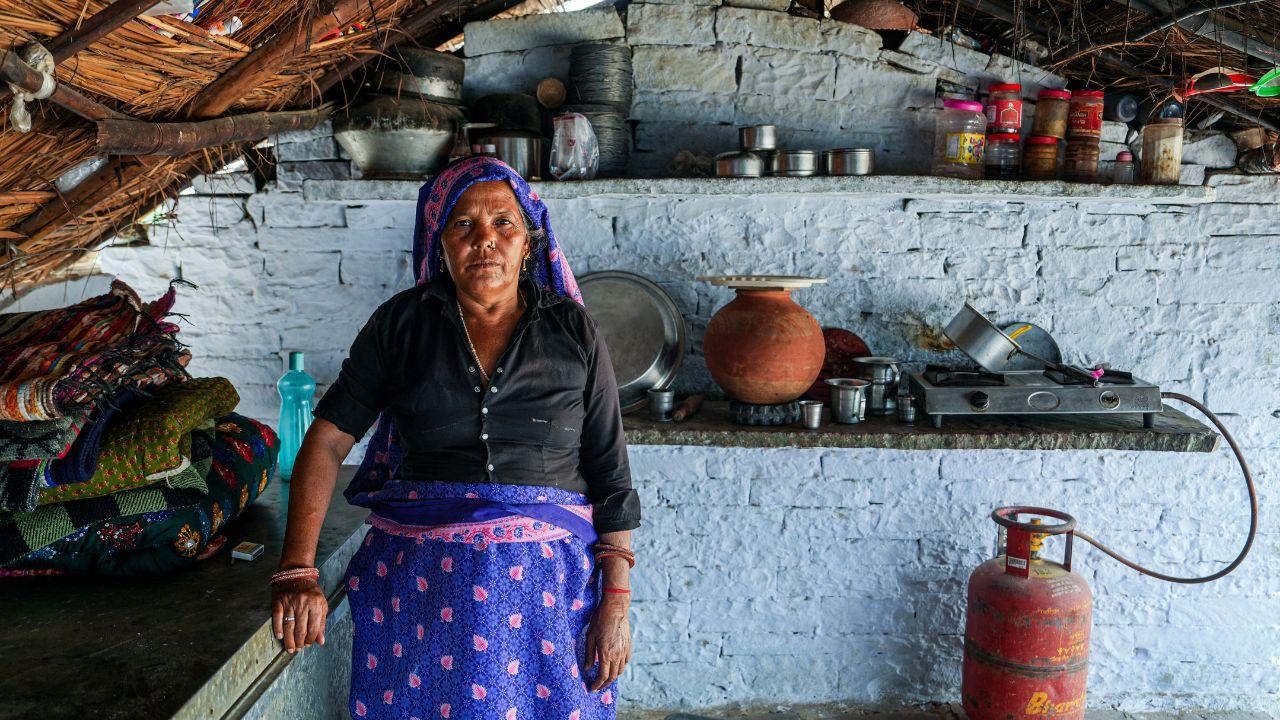
Sampatti Devi, the wife of a former dacoit, works on the embankment of the pond she helped create in their village in Rajasthan`s water-stressed Karauli district. In drought-hit Karauli, Rajasthan, women led a water revolution, reviving ponds and rivers, ending dacoity, restoring farming and bringing peace back to once-parched villages. (Pics/ PTI)


1/6
Sampatti Devi, the wife of a former dacoit, works on the embankment of the pond she helped create in their village in Rajasthan`s water-stressed Karauli district. In drought-hit Karauli, Rajasthan, women led a water revolution, reviving ponds and rivers, ending dacoity, restoring farming and bringing peace back to once-parched villages. (Pics/ PTI)

2/6
Repeated droughts, driven in part by declining rainfall linked to climate change, had turned their land barren. Water sources dried up, crippling agriculture and animal husbandry, the lifeblood of their livelihood
ADVERTISEMENT

3/6
With no other way to survive, many men were forced into dacoity, hiding in jungles and risking their lives every day to evade the police. Karauli`s average annual rainfall dropped from 722.1 mm (1951-2000) to 563.94 mm (2001-2011), according to government data
4/6
In the 2010s, something extraordinary unfolded. Tired of living in constant fear and despair, the women decided it was time to take control. They persuaded their husbands to abandon the jungle, lay down their arms, and return to a life of peace
ADVERTISEMENT

5/6
Together, they began reviving old, dried-up ponds and constructing new pokhars (water bodies) with the help of Tarun Bharat Sangh (TBS), an Alwar-based NGO dedicated to water conservation since 1975

6/6
When the rains came, the pokhar filled and for the first time in years, their family had water, enough to sustain them for a longer period. Karauli, once among Rajasthan`s worst-hit dacoit areas, witnessed a transformation
ADVERTISEMENT
ADVERTISEMENT
Photo of Day
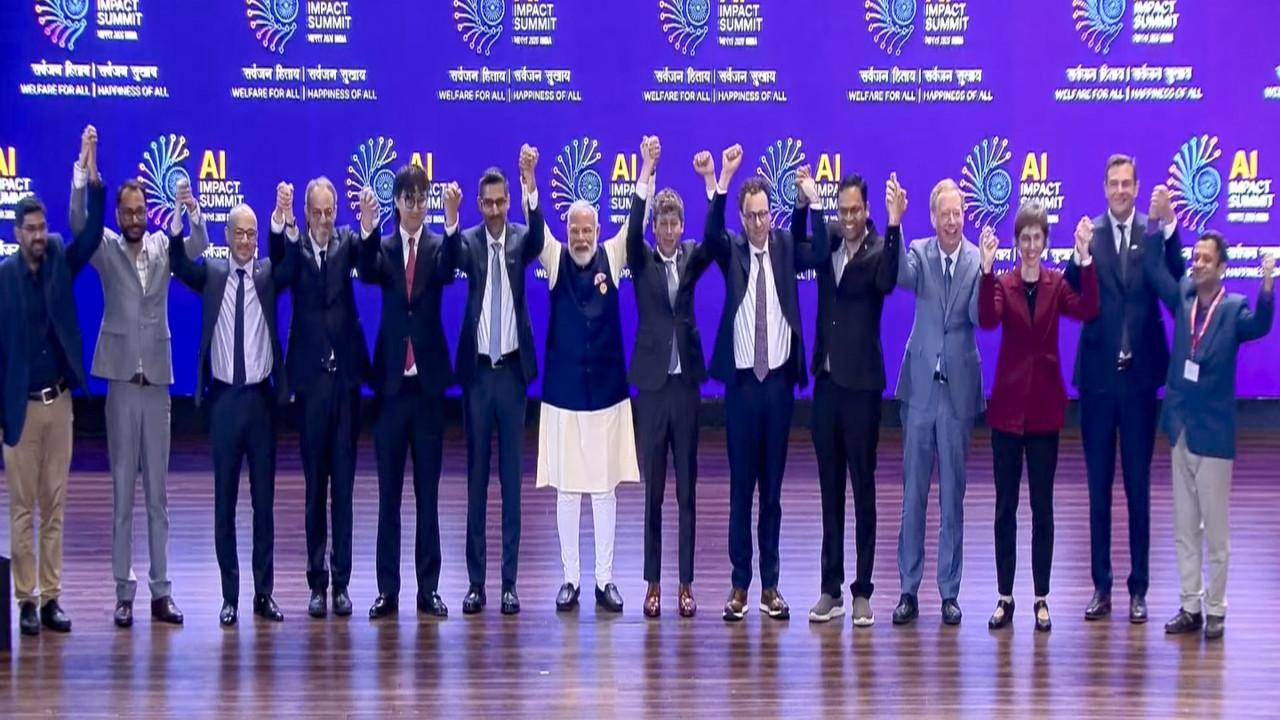
Global AI leaders join PM Modi in a bid to push for a smarter, inclusive future
PM Narendra Modi joins hands with Google CEO Sundar Pichai, OpenAI CEO Sam Altman, and others during the India AI Impact Summit 2026, in New Delhi. PIC/PTI
ADVERTISEMENT