


Home / News / India News / Photos /
Taj Mahal disappears under blanket of smog with surge in air pollution levels
Updated On: 06 November, 2023 05:16 PM IST | ronak mastakar
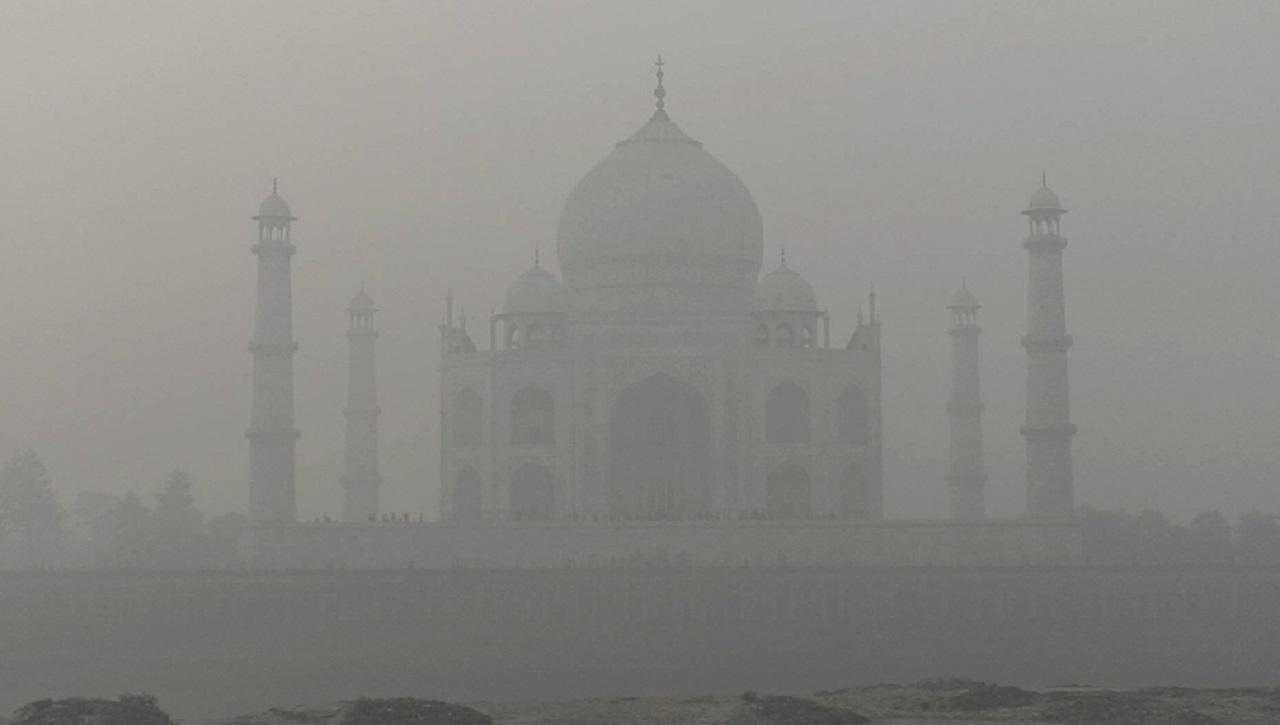
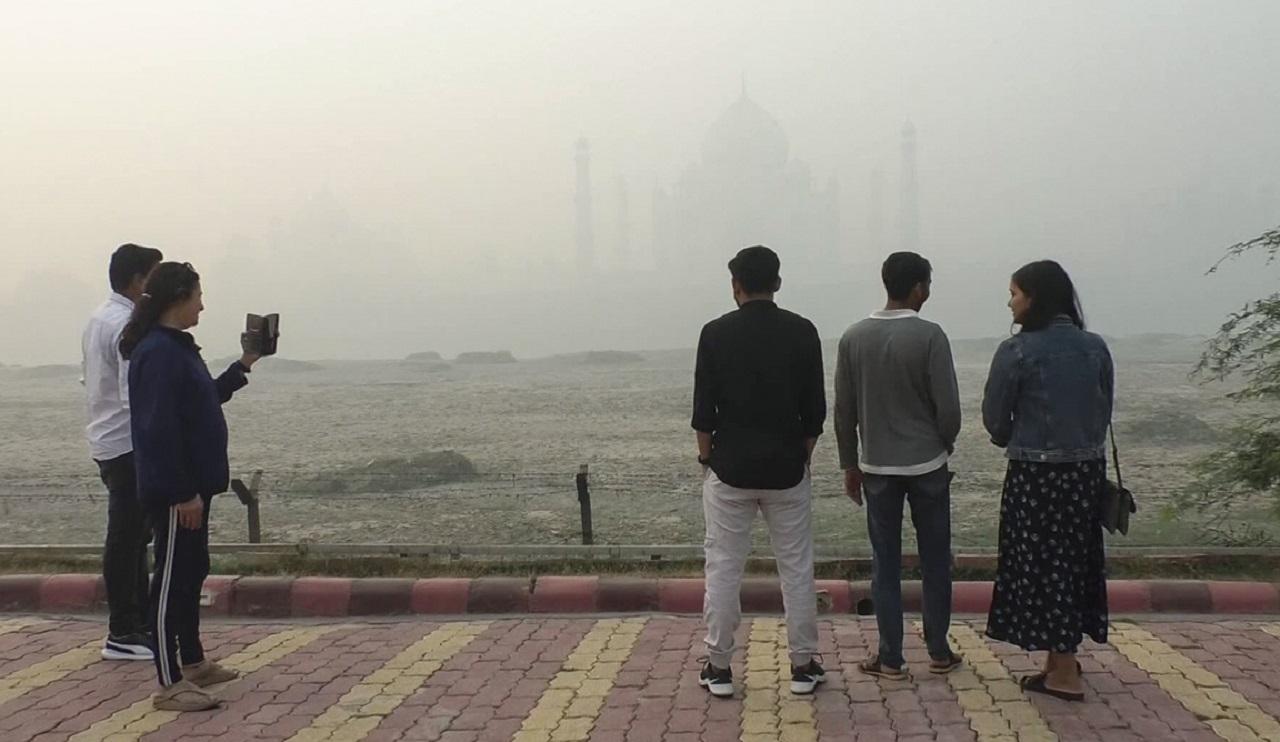
With a surge in air pollution levels this time of the year, the Taj Mahal, one of the seven wonders and the pinnacle of Mughal architecture disappeared under a blanket of smog on Monday morning. The structure was engulfed in a layer of haze and was barely visible to the unaided eyes (Pics/PTI and AFP)

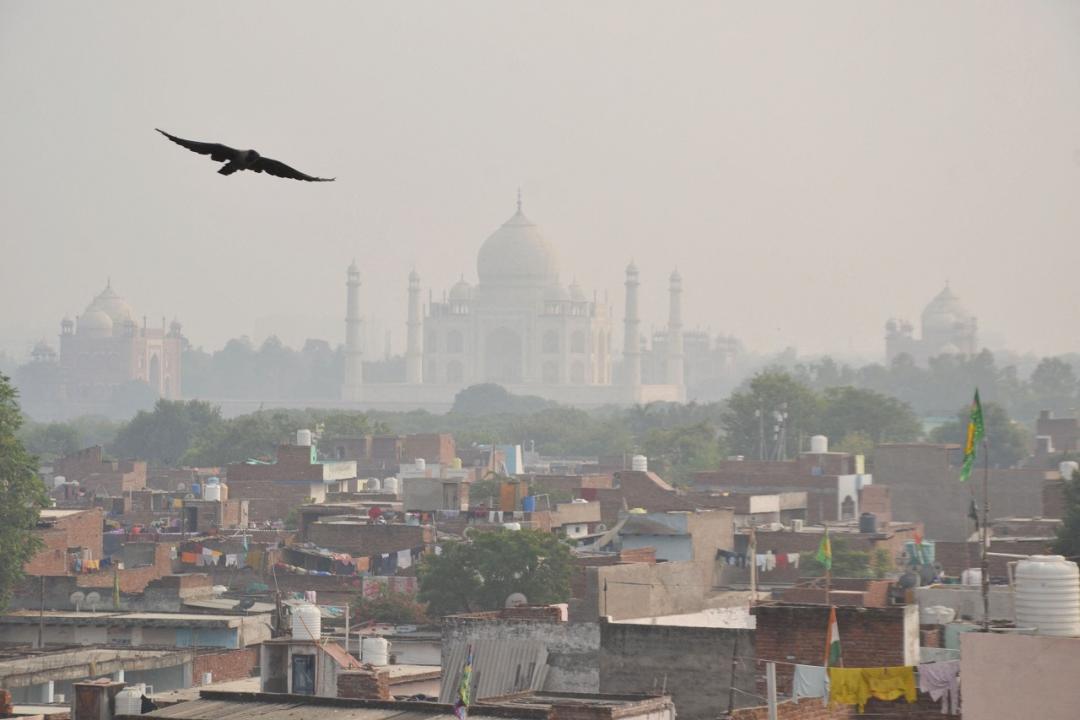
1/9
With a surge in air pollution levels this time of the year, the Taj Mahal, one of the seven wonders and the pinnacle of Mughal architecture disappeared under a blanket of smog on Monday morning. The structure was engulfed in a layer of haze and was barely visible to the unaided eyes (Pics/PTI and AFP)
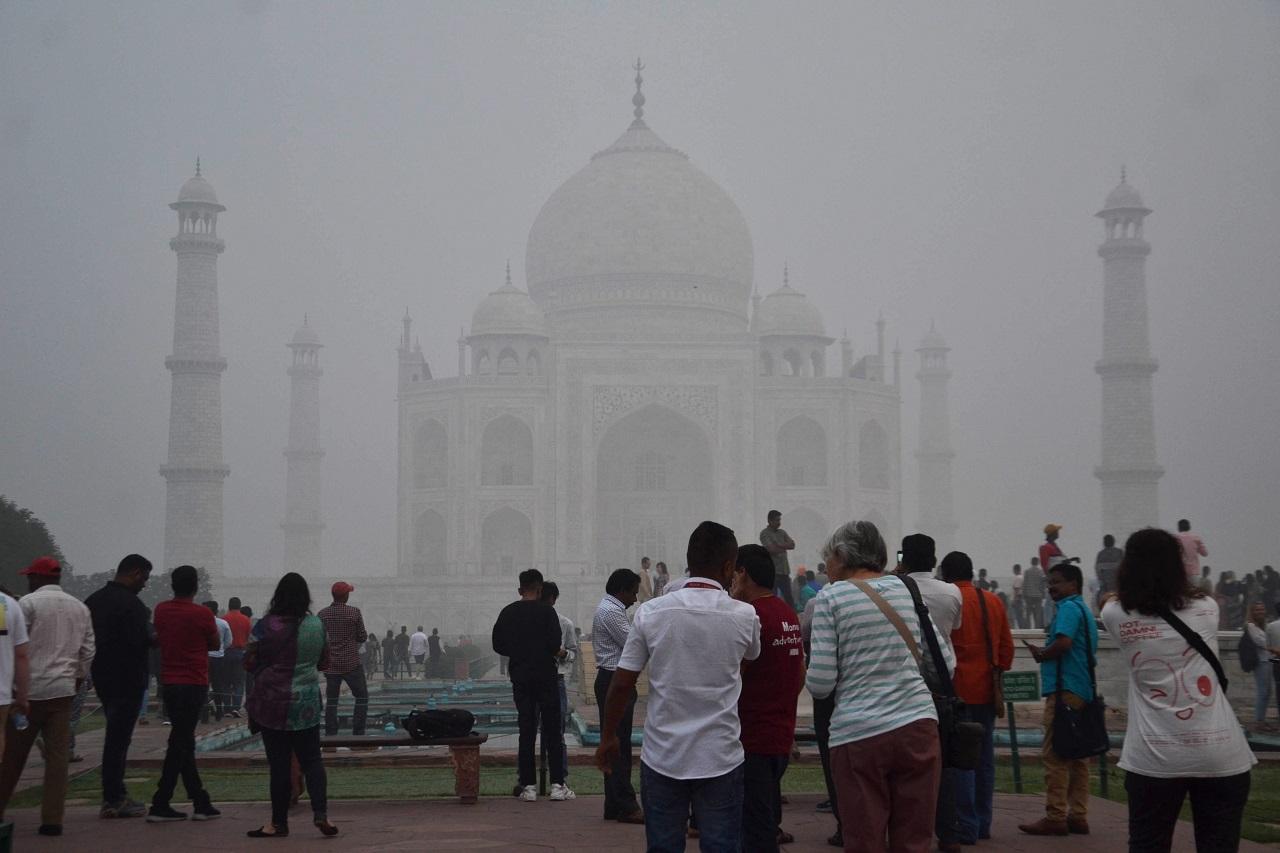
2/9
However, this was not the first time, the mausoleum of white marble was hidden amid the pollutants. The city`s air quality level has reeled under the poor category since November 4 and was recorded at an overall air quality index of 256 this afternoon
ADVERTISEMENT
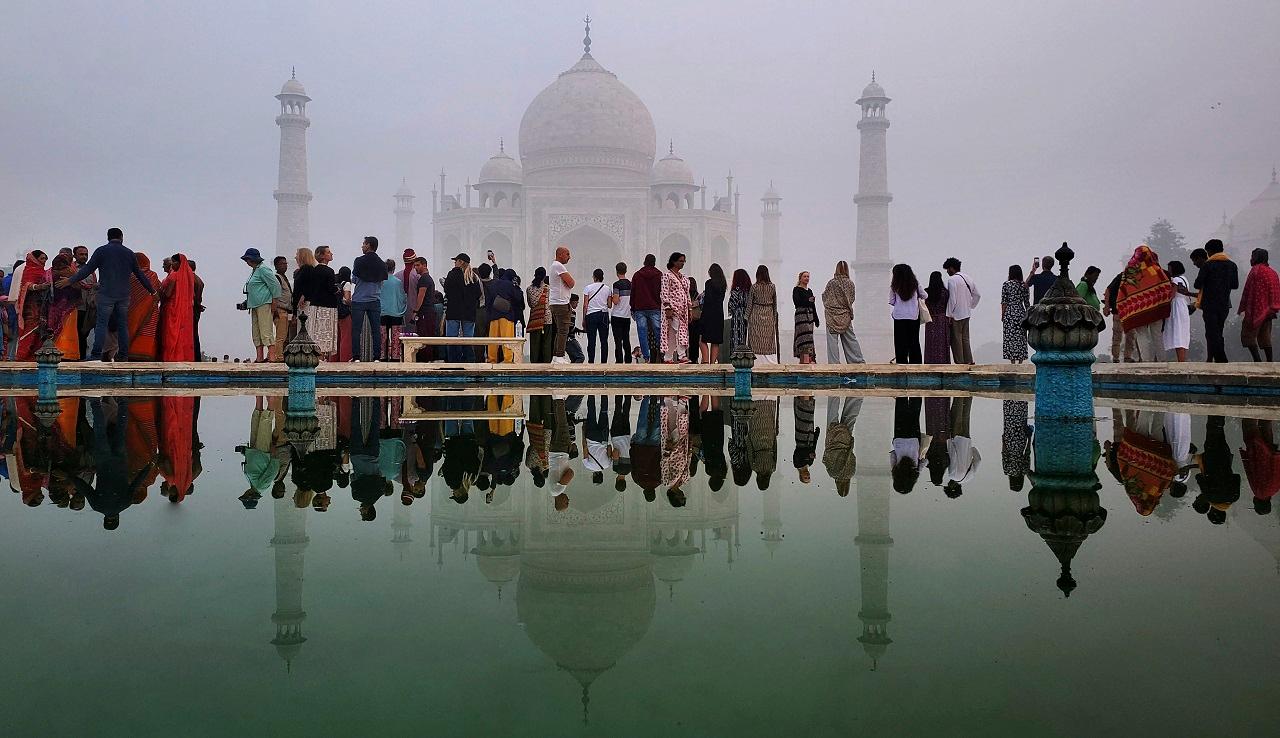
3/9
As per AQI.IN, the air quality in Agra was recorded as 163, in Aligarh it was at 172, 154 in Bareilly and 170 in Bulandshahr, all in the `poor category zone`. The air dropped to the `severe category` in Ghaziabad and Hapur with an AQI of 352 while it remained in the `unhealthy category` in Meerut and Muzzafarnagar with an aqi of 289 and 213
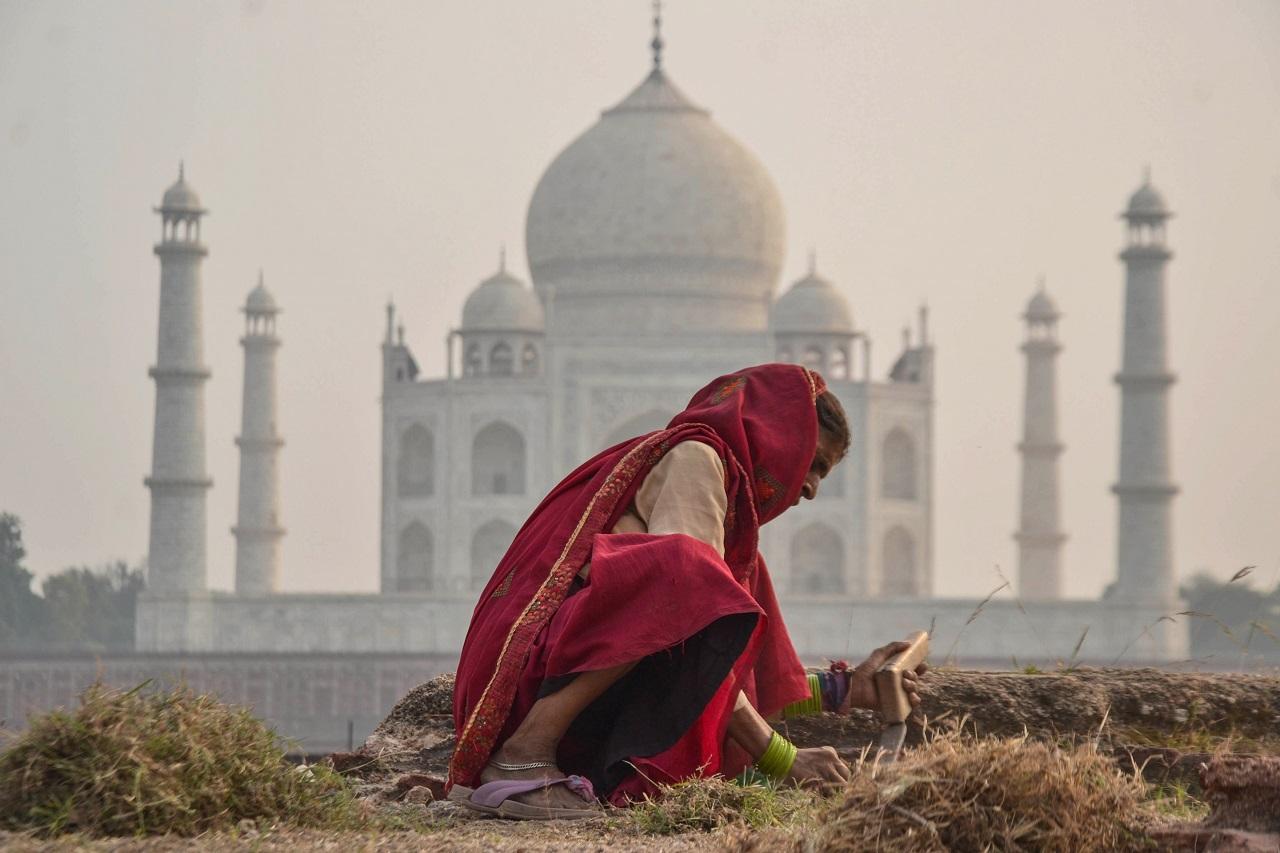
4/9
Built-in Agra between 1631 and 1648 by order of the Mughal emperor Shah Jahan in memory of his favourite wife, the Taj Mahal is a jewel of Muslim art in India and one of the universally admired masterpieces of the world`s heritage
ADVERTISEMENT
5/9
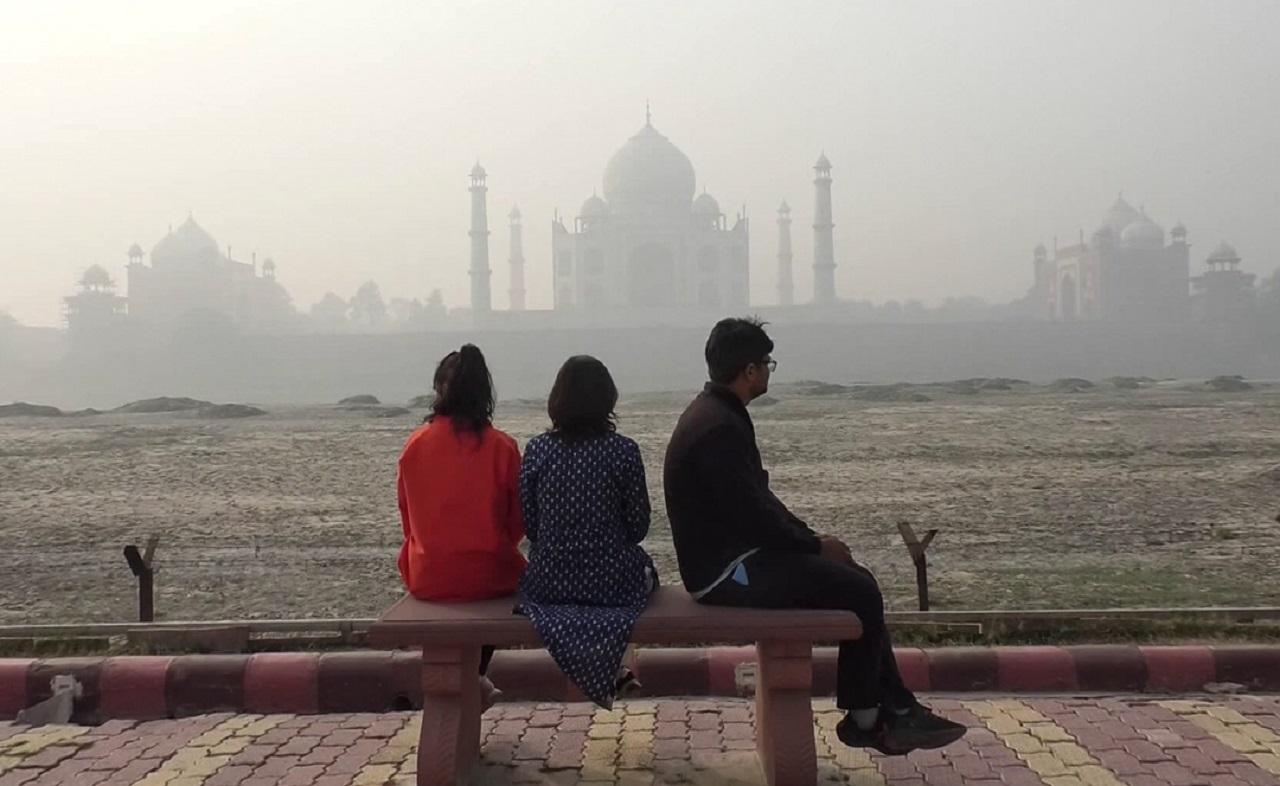
Air pollution levels can be high during the winter months for a number of reasons, including dust and vehicular pollution, dry-cold weather, stubble burning, burning crop residues after the harvest season and commuting
6/9
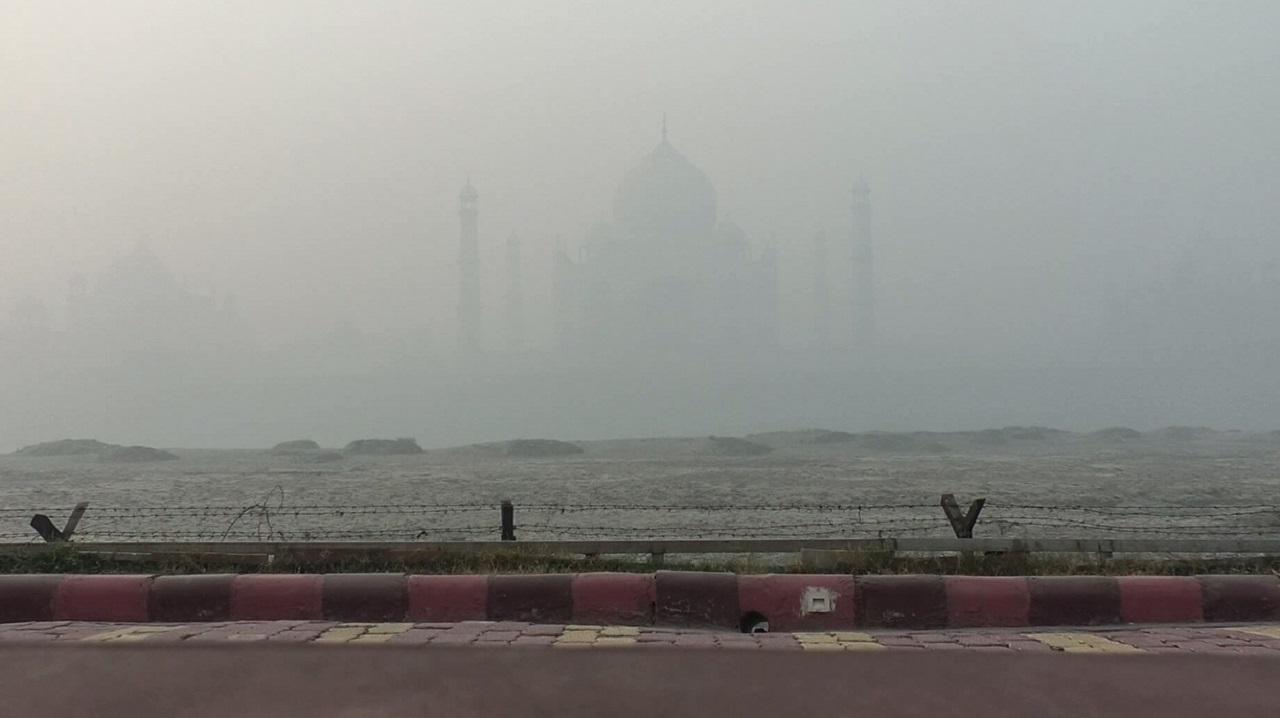
Cold air is denser and moves slower than warm air, so it traps pollution and doesn`t whisk it away. This means that air pollution in winter remains in place for much longer than during the summer. Taj Mahal`s marble is discoloured by airborne particulate matter, which is made up of black carbon, light-absorbing brown carbon, and dust
ADVERTISEMENT
7/9
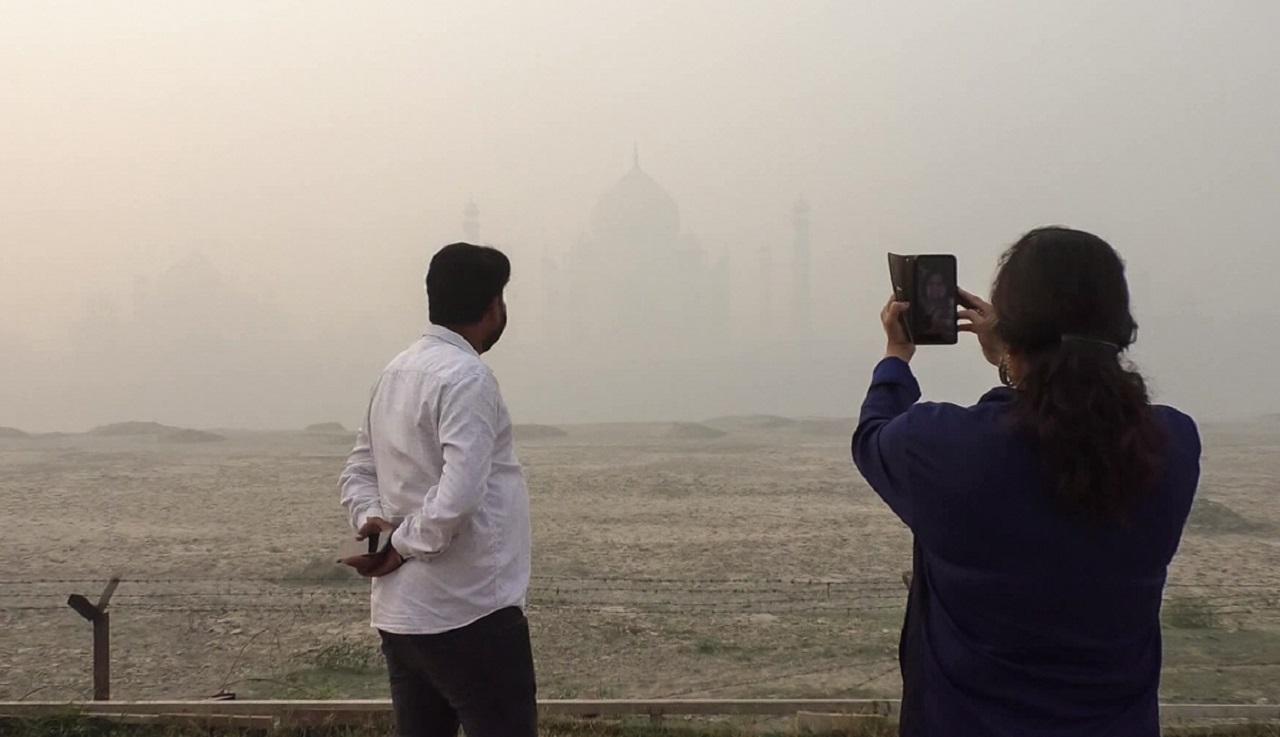
The current concentration of PM2.5 in Uttar Pradesh is 130 (ug/m3). The World Health Organisation (WHO) recommends 15 ug/m3 as the threshold concentration of PM2.5 for 24 hours. Currently, the concentration is 5.20 times the recommended limit
8/9
Meanwhile, the overall air quality in the National Capital continued to be in the `severe` category for the fifth straight day, as per the Central Pollution Control Board
ADVERTISEMENT
9/9
According to the data issued by the System of Air Quality Forecasting and Research (SAFAR-India), the air quality in the National Capital was recorded at 488, up from 410 a day ago
ADVERTISEMENT
Photo of Day

Bliss by the beach
A photographer holds up the lights during a photo session by the Madh Island seashore. PIC/NIMESH DAVE
ADVERTISEMENT