






A valid form of feminist resistance
Updated On: 08 November, 2024 07:23 AM IST | Mumbai | Rosalyn D`mello
As I live remotely from areas where injustice prevails, I am unable to attend protests. Yet, I feel sure the silent work I do from the comfort of my home and university is helping make a difference

Listen to this article :
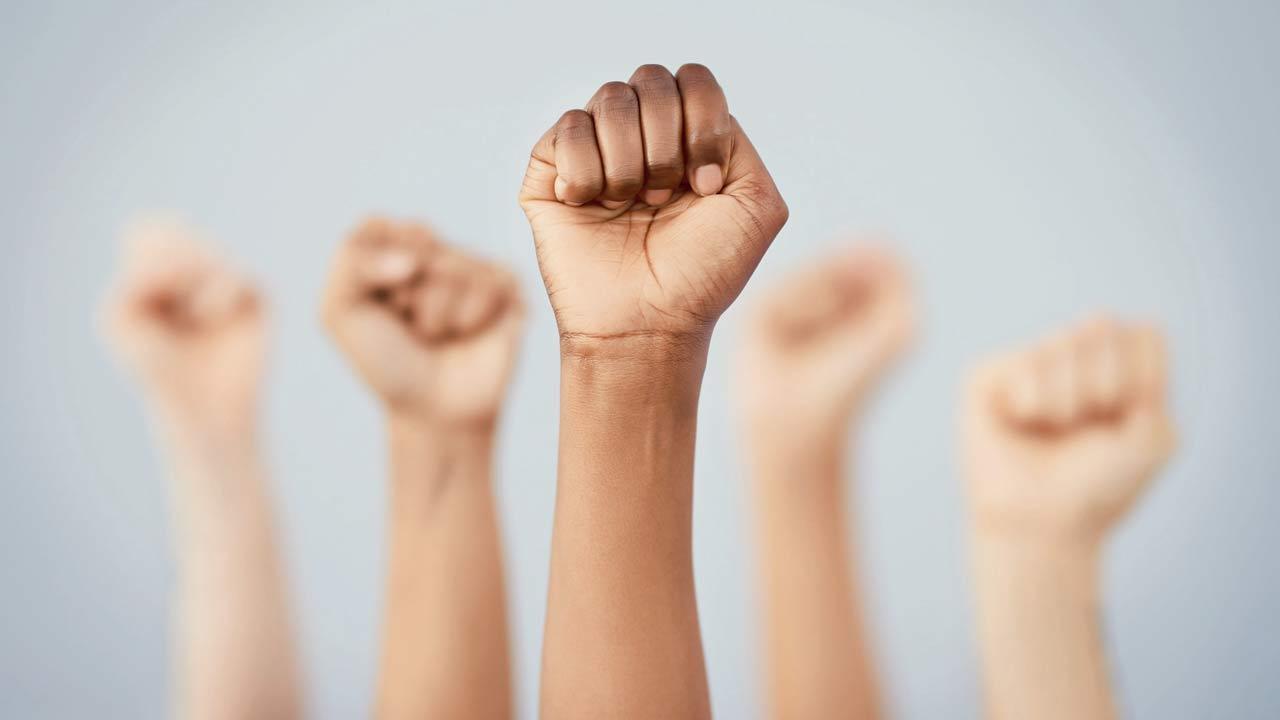
I have begun to turn to my editorial and teaching work as sites of potential radicalising. Representation Pic/istock
 I must confess, there is a part of me that is increasingly switching off as a response to being inundated by news of Israel’s continuing aggression in Gaza and Lebanon, the forced starvation and displacement of countless people whose humanity is being denied, the return to power of a convicted criminal in a country whose democracy has been founded on the bodies of indigenous people and institutionalised slavery, not to mention the slew of climate catastrophes that are not limited to ravaging floods. I saw the metered readings for Delhi’s air quality and felt suddenly ashamed for affording the privilege of no longer living there. There’s another part of me that is tired of always having to show resilience in the face of this apocalyptic shit show that we’re confronted with daily, because we have so many structures and systems that are deeply embedded with white supremacist-settler colonialist-patriarchal-capitalist modes of functioning that we are struggling to break down. It’s as if each time we think we are victorious and the system has collapsed, it seems to mutate and get re-constitute, like Sauron in Rings of Power.
A lot of my feeling of helplessness stems from living remotely, in a region where people have a long-distance sense of empathy for what is happening in other parts of the world but do not feel like they are directly affected by any of it. I find this schism between my personal lived reality and that of the larger world seems to grow every day. It is the lack of any form of mobilisation where I live that feels alarming to me. Sure, there are feminist groups, but when you scratch the surface you find different shades of whiteness, and a lack of intersectionality. I struggle to find my place in this worldview that has a very straightjacketed lens when it comes to the perception of immigrant women and their lives or underlying Islamophobia that tempers many white feminists’ ability to be radically inclusive.
Trending Stories
Latest Photos
Latest Videos
Latest Web Stories
ADVERTISEMENT
Mid-Day Fast
ADVERTISEMENT

ADVERTISEMENT