






At the heart of living heritage
Updated On: 06 February, 2023 07:58 AM IST | Mumbai | Fiona Fernandez
We should push for more living heritage sites to be accessible to the public; it’s the best way to engage the masses about their history

Listen to this article :
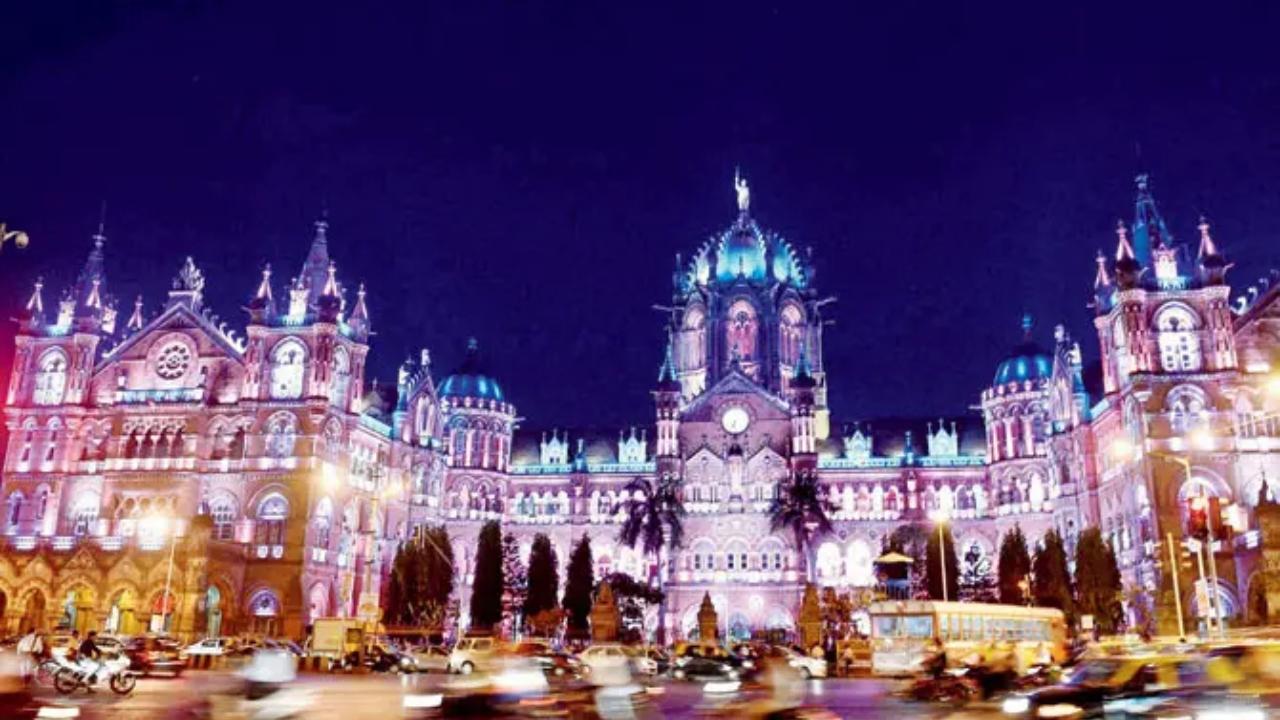
File Photo
 News that Visva-Bharati University in Santiniketan will soon get the prestigious UNESCO World Heritage Site tag has been hailed by the heritage community as well as academics in equal measure. It’s been a long time coming. Founded by Nobel Laureate Rabindranath Tagore in 1921 on 1,130 acres of land, it will have the distinction of being the world’s first living heritage university; meaning that it will be the first time that a university that is functioning and fully operational will get a heritage tag from the celebrated world body.
It’s a huge development, clearly, especially in a country that’s still taking baby steps when it comes to encouraging the common man to fully understand, appreciate and engage with living history in a seamless, organic manner. Closer home, in our own city, barring sites like its historic railway stations, Victoria Terminus [today’s CSMT] and Churchgate, CSMVS, and a few religious landmarks [during hours of prayer] most of our other prized living heritage remains under lock and key when not in use by its occupants during working hours. That means on most weekends, which is when a majority of our public are up and about, these places remain inaccessible to step into, forget about being able to explore and discover its interiors.
Read Next Story
Trending Stories
Latest Photos
Latest Videos
Latest Web Stories
ADVERTISEMENT
Mid-Day Fast
ADVERTISEMENT

ADVERTISEMENT