






Guru teaches autonomy not submission
Updated On: 10 January, 2021 08:20 AM IST | Mumbai | Devdutt Pattanaik
The idea of guru being greater than mother, father, even God, is an idea that emerges from medieval times and is articulated in the “Guru Gita”, a conversation between Shiva and Shakti from the Skanda Purana

Listen to this article :
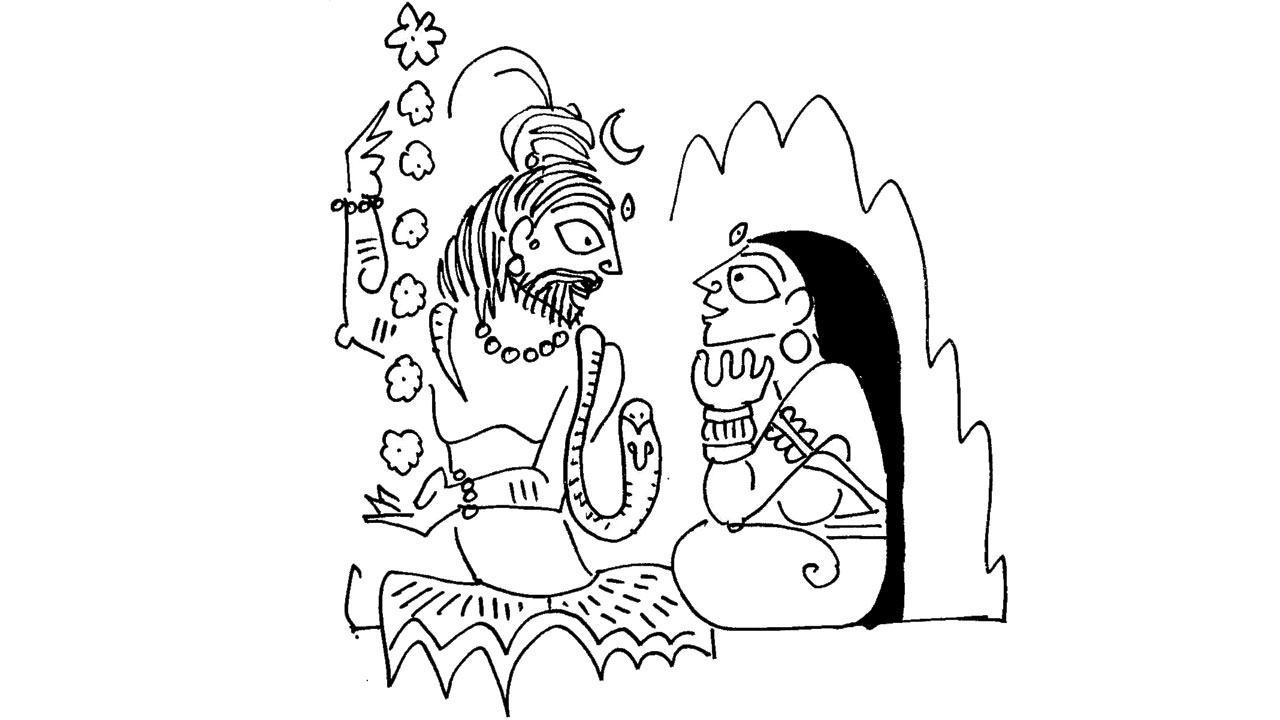
Illustration/Devdutt Pattanaik
 The idea of guru being greater than mother, father, even God, is an idea that emerges from medieval times and is articulated in the “Guru Gita”, a conversation between Shiva and Shakti from the Skanda Purana. This chant is very popular today but was not popular in Vedic times, when the guru was essentially acharya (teacher) who was paid fees (dakshina) for his services.
In Ramayana, Vasishtha is Rama’s acharya. In Mahabharata, Drona is the acharya of Arjuna. In Bhagavata, Sandipani is acharya of Krishna. After imparting lessons and skills, Vasistha is given cows by Dasharatha, Drona gets from Arjuna half of Drupada’s kingdom, and Sandipani’s son is rescued from Yama by Krishna. It’s a clear transaction: a fee for knowledge. The students are not expected to be subservient to gurus, as is seen in gurudoms of the 21st century.
Read Next Story
Trending Stories
Latest Photos
Latest Videos
Latest Web Stories
ADVERTISEMENT
Mid-Day Fast
ADVERTISEMENT

ADVERTISEMENT