






I'd become a member of their family: Doctor on attachment with patient
Updated On: 27 December, 2020 12:30 PM IST | Mumbai | Dr Mazda Turel
Developing clinical detachment isn`t easy. Doctors experience pain and grief in equal measure, when a patient is long gone

Listen to this article :
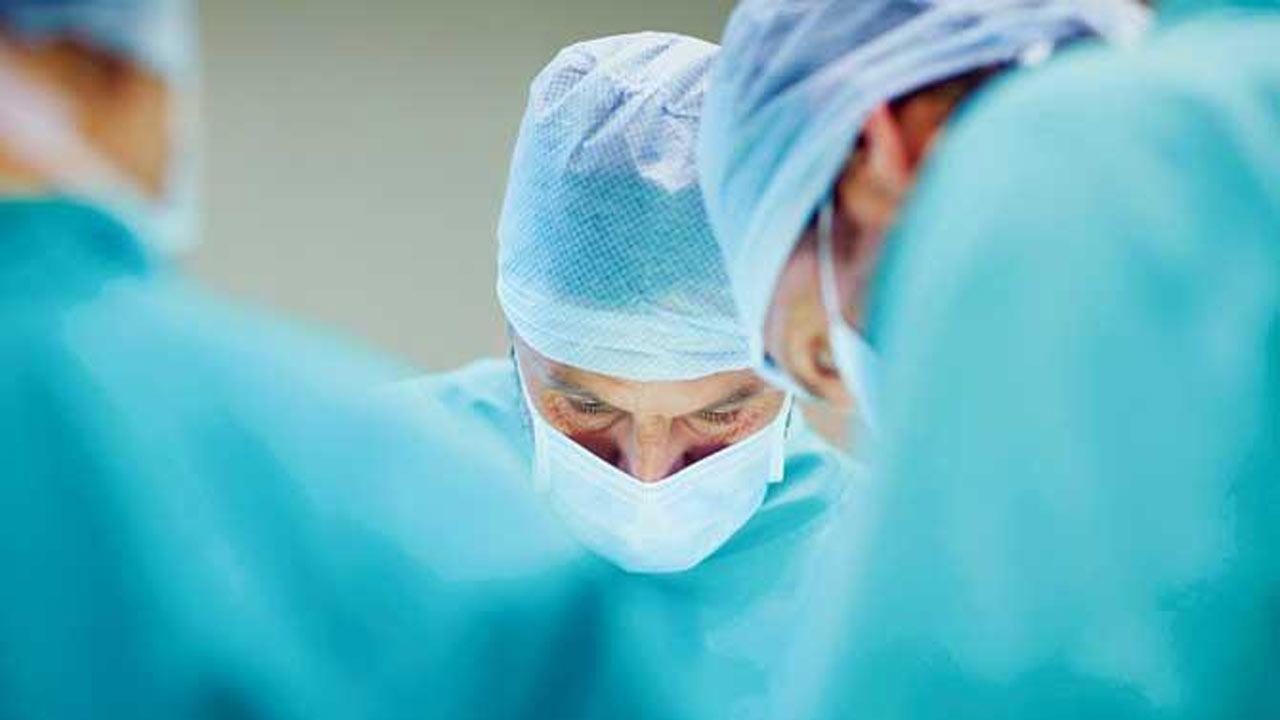
This picture has been used for representational purpose
 A few months ago, I had operated on an elderly lady for a behemoth tumour, arising from her pituitary gland. We take down these tumours through the nose, using an endoscope. The surgery went off immaculately. Her vision, which had been expeditiously deteriorating, improved almost instantly after the operation and she returned home within a few days. Her two sons, who worked as servers in a restaurant, were delighted with the outcome and grateful to us for doing the surgery at a nominal cost.
A week later, I got a phone call at 7 am from her son, indicating that the mother was refusing to wake up. "She`s breathing, but appears to be semi-conscious," he said tersely, unable to make sense of the situation. I quickly ran a laundry list of possibilities in my mind for delayed deterioration after an operation of this nature: infection, sodium-water imbalance, hormonal disturbance, hydrocephalus, hypoglycaemia, stroke, the list was endless. "Get her to the emergency department," I said, charging to reach there myself, making innumerable phone calls on the way to get the team geared up to deal with the myriad possibilities I was considering. We put the scheduled surgeries on standby in case she needed to be taken back to the operating room.
Read Next Story
Trending Stories
Latest Photos
Latest Videos
Latest Web Stories
ADVERTISEMENT
Mid-Day Fast
ADVERTISEMENT

ADVERTISEMENT