






Kaabah, as metaphor
Updated On: 09 May, 2021 06:45 AM IST | Mumbai | Devdutt Pattanaik
The settlers valued land, and so boundaries, while the wanderers believed in no such thing, taking cattle across farms and pastures, defying boundaries.

Listen to this article :
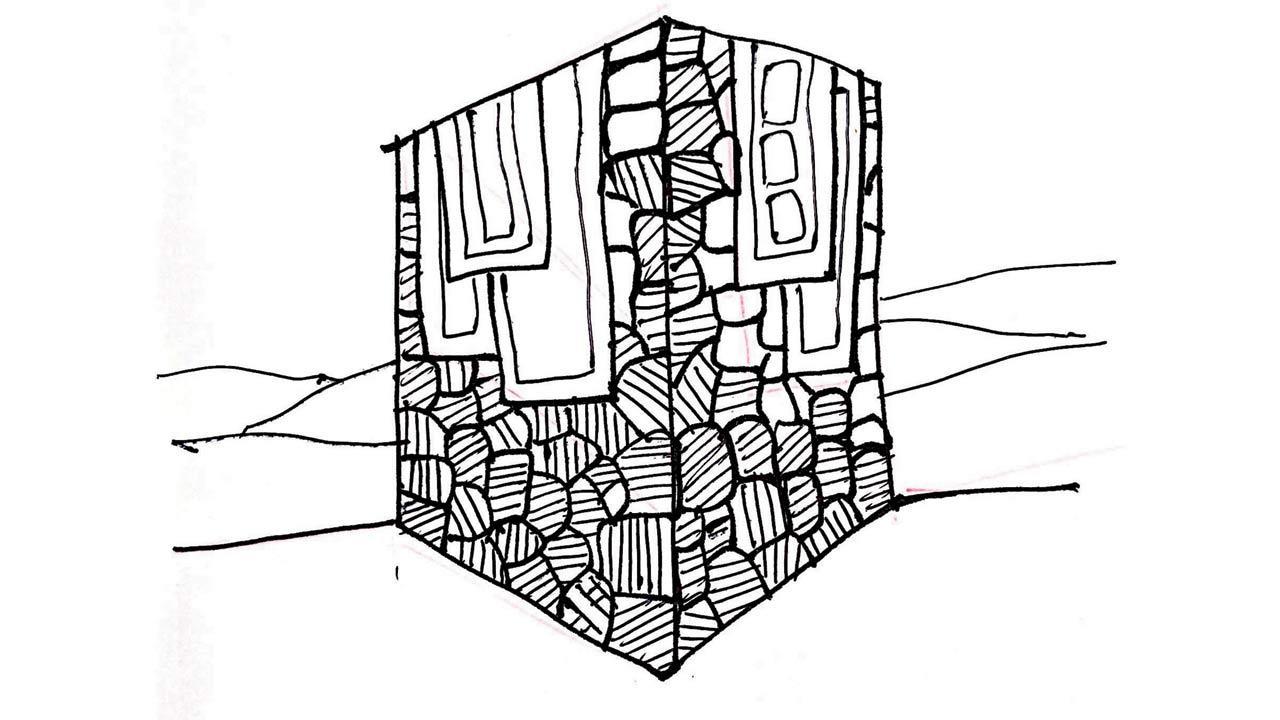
Illustration/Devdutt Pattanaik
 Humans found food in the plant and animal kingdoms. They were first foragers of fruits and roots, and hunters of animals. Then, they became cultivators of the land and herders of goats, pigs, sheep and cattle. Many tribes in India tell the story of how Thakurdev taught them to domesticate cows and cultivate rice, thus giving them an alternative to hunting and gathering. But this caused friction between those who wanted to wander and those who wanted to settle, the hunter/herders and the forager/farmers. The settlers valued land, and so boundaries, while the wanderers believed in no such thing, taking cattle across farms and pastures, defying boundaries.
This dichotomy is seen even in the 4,000-year-old images of pharaohs of Egypt, with criss-crossed hands. In one hand there is a flail, and in another a shepherd’s crook. The crook was a herdsman’s tool, used to domesticate animals, while the flail was the farmer’s tool, used to de-husk grain. Metaphorically, it indicated the use of power to control people, turn them into obedient sheep, and remove the disobedient from the obedient, like chaff from grain.
Read Next Story
Trending Stories
Latest Photos
Latest Videos
Latest Web Stories
ADVERTISEMENT
Mid-Day Fast
ADVERTISEMENT

ADVERTISEMENT