






Lives of Adi Shankaracharya
Updated On: 20 August, 2023 07:04 AM IST | Mumbai | Devdutt Pattanaik
These are hagiographies, composed by monastic orders that lived in and around the Vijayanagara Empire

Listen to this article :
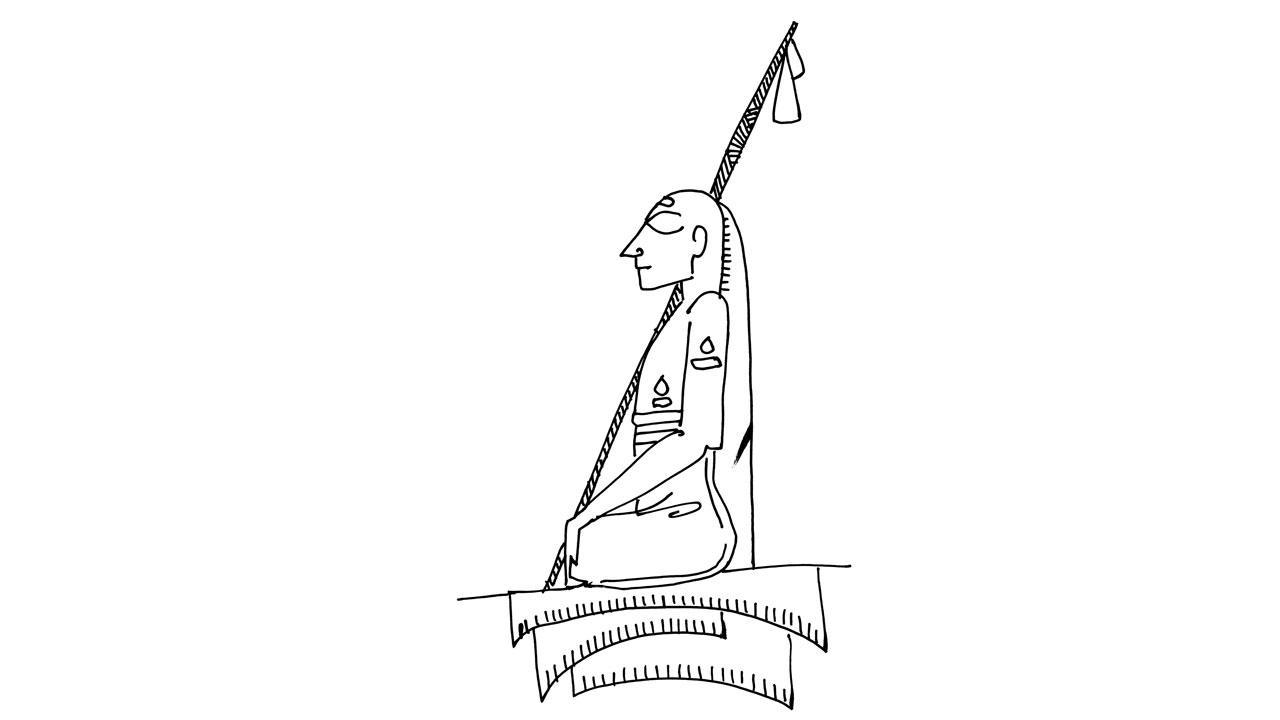
Illustration/Devdutt Pattanaik
 As a child, I read the Amar Chitra Katha story of Adi Shankaracharya. It told me how he was born in a family in Kerala and became a monk against his mother’s wishes. He travelled around India defeating Buddhists, in fierce, intellectual debates. As an adult, I learned that this event probably happened in the early half of the 8th century. But the stories came from much later sources, perhaps 13th and 14th centuries in the Digvijayams. These are hagiographies, composed by monastic orders that lived in and around the Vijayanagara Empire. In time, I realised these stories can be contested.
The Shringeri Math claims that Shankaracharya lived even before the Buddha, 2,500 years ago. This claim is based on their chronicles, which trace their lineage to that period. He was born in the 14th year of King Vikramaditya. They reject the claim that Vikramaditya represents a Chalukyan king who lived in the 7th or 8th Century. They argue that the 8th Century birth of Shankaracharya is Western scholarship trying to locate him at a later age.
Read Next Story
Trending Stories
Latest Photos
Latest Videos
Latest Web Stories
ADVERTISEMENT
Mid-Day Fast
ADVERTISEMENT

ADVERTISEMENT