Non-Vedic Hinduism
Updated On: 07 April, 2024 06:53 AM IST | Mumbai | Devdutt Pattanaik
Ram’s best friends were the “monkeys” of these Sala forests. He eventually made peace with the “demons” of the same forests.





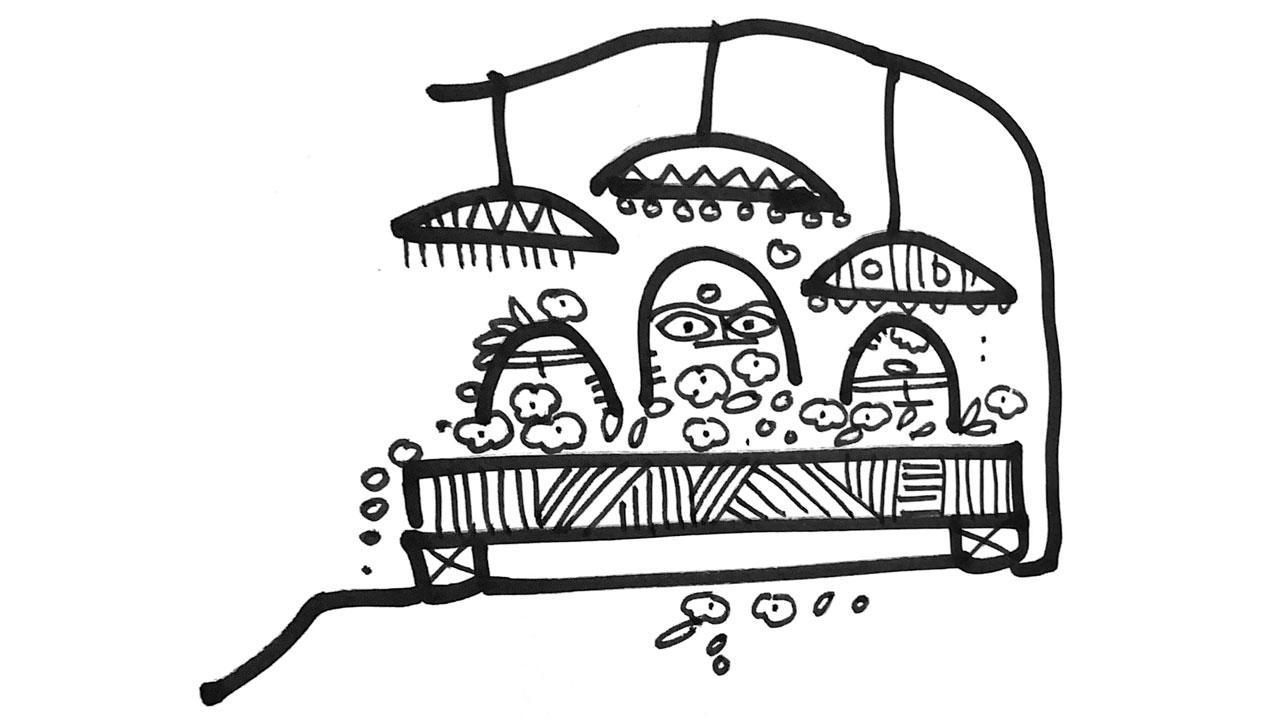
Illustration/Devdutt Pattanaik
 We are constantly told that Hinduism’s original text is the Veda. That it forms the foundation of Hindu thought. However, much of Hindu practices have roots outside Vedic customs. We often overlook contributions of people who lived outside the Ganga river basin, who were not privy to Vedic prose and poetry, but who nevertheless influenced the composers, as they were neighbours, sometimes friendly and sometimes hostile.
The fisherfolk and boatmen of the shifting tributaries of the Indus river basin may have sparked the idea of matsya-nyaya and dharma, and eventually the idea of Vishnu’s first avatar, who rescues the Veda. The traders who took borax (suhaga) through passes of the Himalayas that connected Tibet and Uttarakhand, may have inspired the idea of the wild Bhairava domesticated by the daughters of Brahmins (Sati) and mountain-kings (Parvati).
Trending Stories
Latest Photos
Latest Videos
Latest Web Stories
ADVERTISEMENT

Ganeshotsav 2026

ADVERTISEMENT