Of disinheritance and transformation
Updated On: 23 February, 2024 06:52 AM IST | Mumbai | Rosalyn D`mello
Choosing to abandon problematic personality traits and parenting techniques we imbibe from our forebears can help break the cycle of intergenerationally dispersed trauma and even reduce anxiety





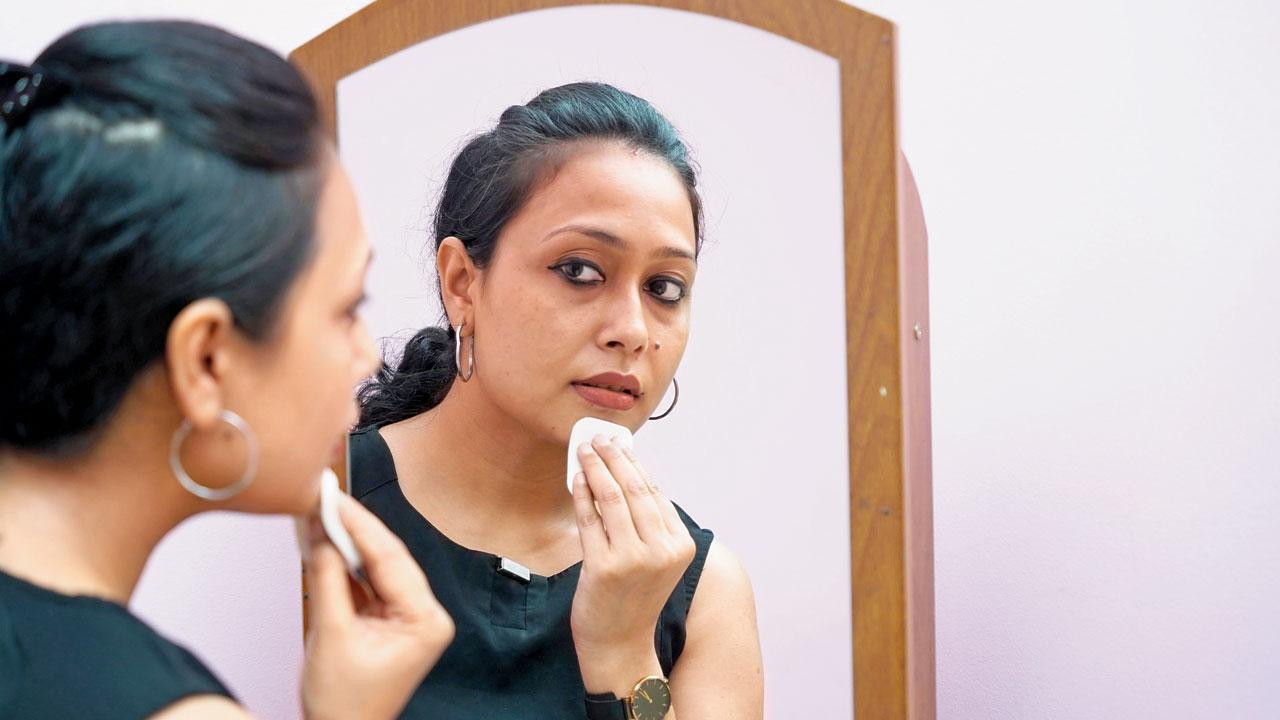
One of the most challenging things I have had to do as an adult has been to sift through the extent to which I have internalised other people’s perceptions of my appearance. Representation Pic
 Recently, after chancing upon an intriguing way in which the word ‘disinheritance’ was used in a sentence construction, I’ve been reconsidering its connotations. I suppose the prefix ‘dis’ imbues it with a negative vibe, conjuring images of being disowned or cut off from generational wealth, being forced to un-belong from a tribe or a clan or a family unit. In this instance, an expert on a podcast I was listening to talked about disinheriting a personality trait that she had realised she had imbibed through her mother.
It was the psychotherapist Philippa Perry, I remember now. The podcast is called The Shift—I mentioned it last week. I know of Perry because of her book, which is as life-altering as the title promises—The Book You Wish Your Parents Had Read (and Your Children Will be Glad You Did). A therapist friend had gifted it to us when we became parents. I gulped it down and still feel quite transformed by its tone and its instruction. Even though it seems targeted at parents, you don’t need to be one to benefit from its content. It spoke to me because it delved so deeply into how shaming impacts our being, imparting us with a sense of self-loathing. I began to wonder what it could mean to relinquish that baggage. The book really offers a sense of how trauma is intergenerationally dispersed, how we bear the insecurities of our foremothers and forefathers because of the default parenting techniques that were used on us, most of which are rooted in patriarchal impulses. In the podcast, Perry talked about her tendency to nag out of anxiety, and how her husband labelled that behaviour as her acting like her mother. It became a light-hearted joke between them. When she manifested the behaviour, her husband would point it out and instead of getting defensive, she acknowledged its source and took the cue as a sign to desist and let go.
Trending Stories
Latest Photos
Latest Videos
Latest Web Stories
ADVERTISEMENT

Ganeshotsav 2026

ADVERTISEMENT