






Poignant toast to Calcutta
Updated On: 12 September, 2021 07:05 AM IST | Mumbai | Meenakshi Shedde
Mulaqat is a coming-of-age story, in which a Karachi schoolgirl navigates the tricky terrain of internet dating in a conservative Muslim society

Listen to this article :
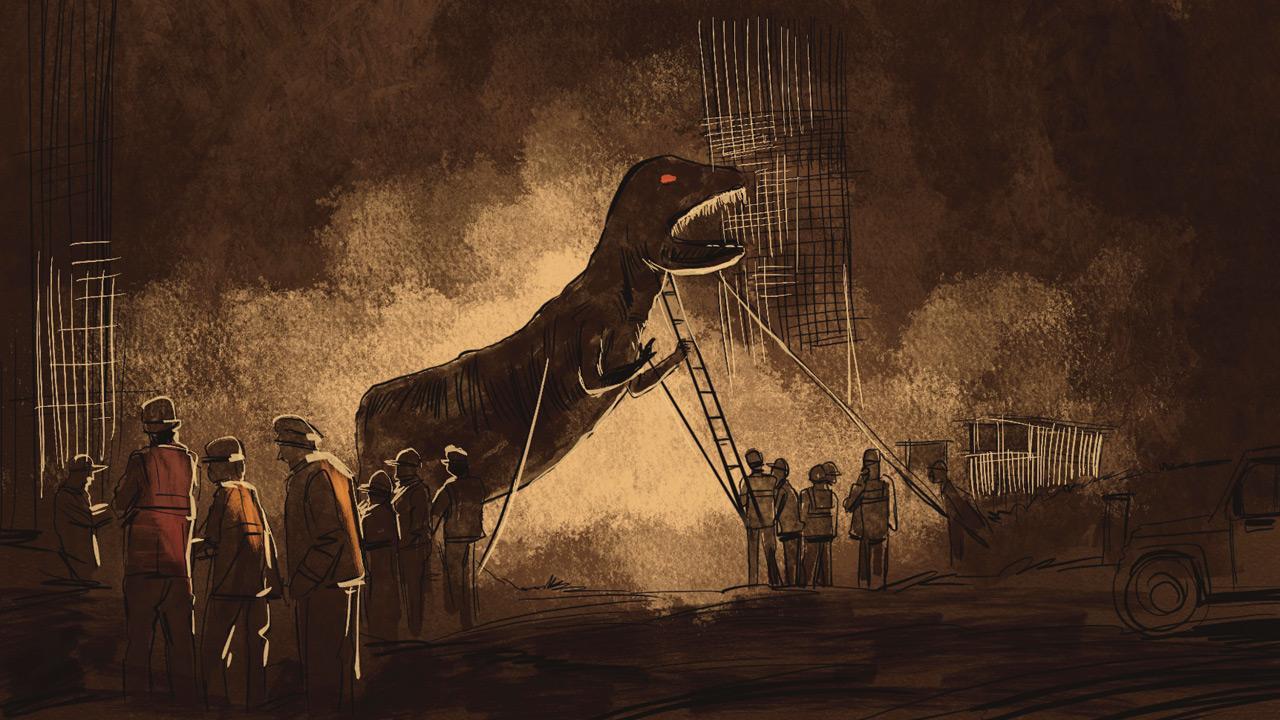
Illustration/Uday Mohite
 Aditya Vikram Sengupta’s Once Upon A Time in Calcutta (OUATIC) is a magnificent portrait of Kolkata in transition, evoked through deeply felt, finely etched characters. The film, in Bengali, is Sengupta’s third feature, after his Asha Jaoar Majhe (Labour of Love, without dialogues), winner of the Fedeora Award for Best Young Director in the Venice Film Festival’s Venice Days section in 2014, and Jonaki, that was at the International Film Festival of Rotterdam. OUATIC and Seemab Gul’s Pakistani short Mulaqat (Sandstorm), produced by Abid Aziz Merchant, are the two South Asian films currently playing in the Venice Film Festival’s Orizzonti (Horizons). Mulaqat is a coming-of-age story, in which a Karachi schoolgirl navigates the tricky terrain of internet dating in a conservative Muslim society.
OUATIC explores the relations between two key characters, Ela Chakraborty (Sreelekha Mitra, wonderful), a small-time TV host and bereaved mother, who is estranged from her husband Shishir (Satrajit Sarkar), and her step-brother Bubu (Bratya Basu), owner of a once-spectacular, now defunct stage theatre in Kolkata. Laid low by fate, Ela seeks independence and love, determined to make something of her life. In contrast, Bubu’s worldview is frozen in amber and nostalgia; he lives alone in the theatre, but for an old retainer; catatonic, fantasising about the revival of the theatre, even as he scorns property developers. There are also two men pursuing Ela—old flame Bhaskar (played by economist Arindam Ghosh; suave, bhadralok) and chit fund company owner/property developer Pradipto (Anirban Chakrabarti) and she plays along for her own reasons. Inspired by true events, the film comments on the contemporary realities and politics of a rapidly urbanising, globalising, post-communist Kolkata.
Read Next Story
Trending Stories
Latest Photos
Latest Videos
Latest Web Stories
ADVERTISEMENT
Mid-Day Fast
ADVERTISEMENT

ADVERTISEMENT