






Protest to policy: How women drive change
Updated On: 05 January, 2025 07:50 AM IST | Mumbai | Sumedha Raikar Mhatre
A portrait of Indian women’s activism—from the fierce 1970s anti-rape protests in Mumbai to the digital shakti of #MeToo

Listen to this article :
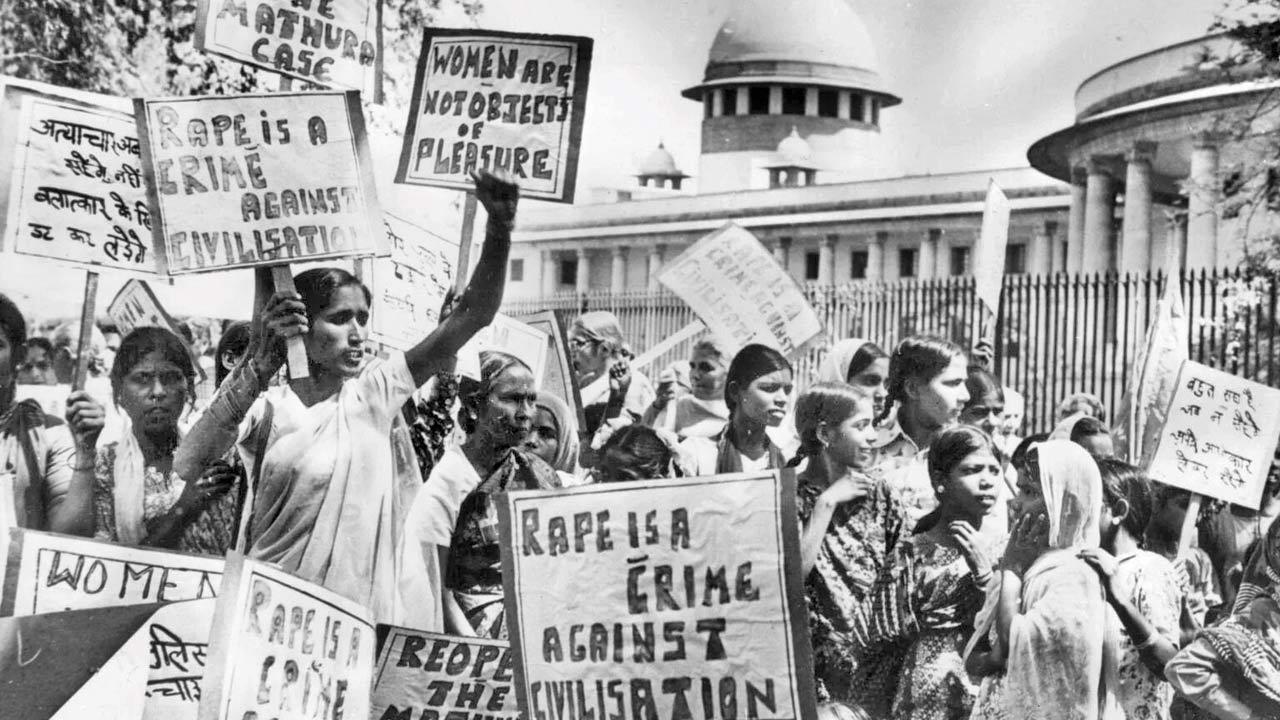
The 1970s Mathura rape case protests sparked reform in the country’s rape laws
 Quiet dissent, loud marches, and digital rebellions—women in India have challenged power in myriad ways. Women’s Empowerment in India: From Rights to Agency (2024, Routledge) charts the compelling journey, spotlighting not only prominent movements but also the everyday acts of resistance that often go unnoticed in popular discourse. The volume is co-authored and co-edited by Anjoo Upadhyaya, Åshild Kolås, and Eileen Connolly.
From the fiery anti-rape protests of 1970s Mumbai that spurred legal reforms, to Rajasthan’s veiled women stepping out to demand wage transparency through the Right to Information movement, and Orissa’s grassroots campaigns against exploitation in urban slums, the book uncovers struggles as building blocks in the national context. For instance, the Hindu Code Bill campaign remains a pivotal moment, where women’s organisations united to confront entrenched patriarchal family laws. Their relentless advocacy spurred reforms in the 1950s, reshaping norms around marriage, inheritance, and women’s rights. The campaign also cemented the link between grassroots activism and legislative change in post-Independence India.
Read Next Story
Trending Stories
Latest Photos
Latest Videos
Latest Web Stories
ADVERTISEMENT
Mid-Day Fast
ADVERTISEMENT

ADVERTISEMENT