






Ray, for our times
Updated On: 27 June, 2021 08:22 AM IST | Mumbai | Meenakshi Shedde
And they feature accomplished actors including Manoj Bajpayee, Gajraj Rao, Kay Kay Menon, Ali Fazal, Harshvarrdhan Kapoor, Radhika Madan, Chandan Roy Sanyal and Shweta Basu Prasad.

Listen to this article :
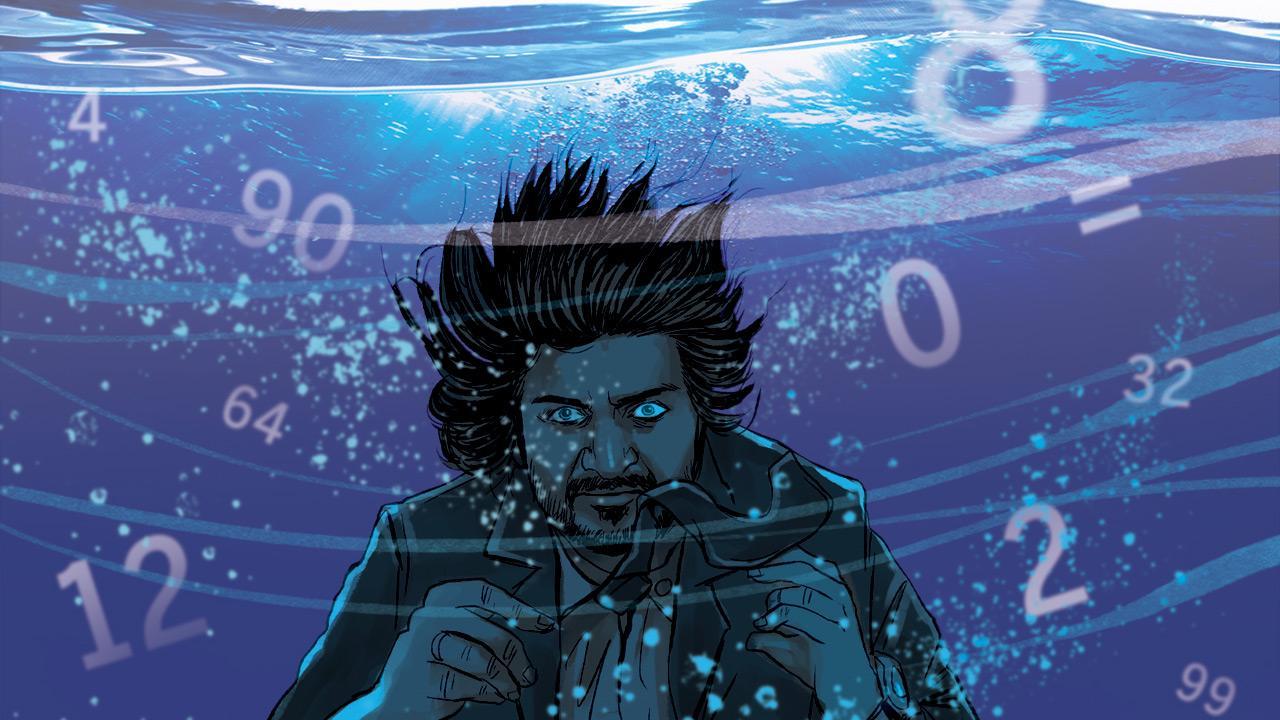
Illustration/Uday Mohite
 In Satyajit Ray’s birth centenary year, Netflix offers us Ray, an anthology series of four independent episodes adapted from Ray’s short stories, that dropped on the streamer on Friday. Ray, the filmmaker, was deeply humanist and usually concerned with larger issues in his films. But he seems almost a different personality as a short story writer, often exploring the occult, the supernatural—and the darker sides of his characters, with lust, revenge, betrayal and deceit being overriding emotions, especially in the four stories here, but making larger points nonetheless. Sadly, they don’t include my favourite Ray short story, Ratan Babu Aar Shei Lokta (Ratan Babu and the Stranger), but these are solid anyway. They are directed by top directors—Srijit Mukherji (who directs two episodes), Abhishek Chaubey and Vasan Bala. And they feature accomplished actors including Manoj Bajpayee, Gajraj Rao, Kay Kay Menon, Ali Fazal, Harshvarrdhan Kapoor, Radhika Madan, Chandan Roy Sanyal and Shweta Basu Prasad.
A-list Bengali director Srijit Mukherji directs Forget Me Not. It is good to see him back in Hindi, after Begum Jaan. Ipsit Rama Nair, a suave corporate honcho, who prides himself on his memory, meets a woman who recalls their ‘dirty weekend’ at the Ajanta Caves, of which Nair has no recollection. He swiftly unravels following this revelation, as more dark secrets tumble out. Hell hath no fury like a woman scorned, but the climax has a big kahani mein twist. Ali Fazal puts in a stand-out performance showcasing his versatility, while Shweta Basu Prasad prefers to play it low key. Mukherji’s direction has excellent touches, as when Nair revisits the Ajanta Caves, and his previous self brushes past him, and when his secretary Maggie takes him down the corridor into his flashbacks—it’s a tad mannered, but a clever shot at time travel. Siraj Ahmed’s writing is strong (though the wife just vanishes), with a hint of EM Forster’s A Passage to India’s Marabar Caves mystery. Swapnil Sonawane’s cinematography is superb, as is Peter Cat Recording Co’s symphonic, contrapuntal music, and includes Ami chini go chini from Ray’s Charulata on the piano.
Read Next Story
Trending Stories
Latest Photos
Latest Videos
Latest Web Stories
ADVERTISEMENT
Mid-Day Fast
ADVERTISEMENT

ADVERTISEMENT