Rebirthing Buddhas, reincarnating Lamas
Updated On: 12 January, 2025 07:10 AM IST | Mumbai | Devdutt Pattanaik
Reformers argued Buddhism was anti-caste, anti-fatalism and had nothing to do with rebirth doctrine.



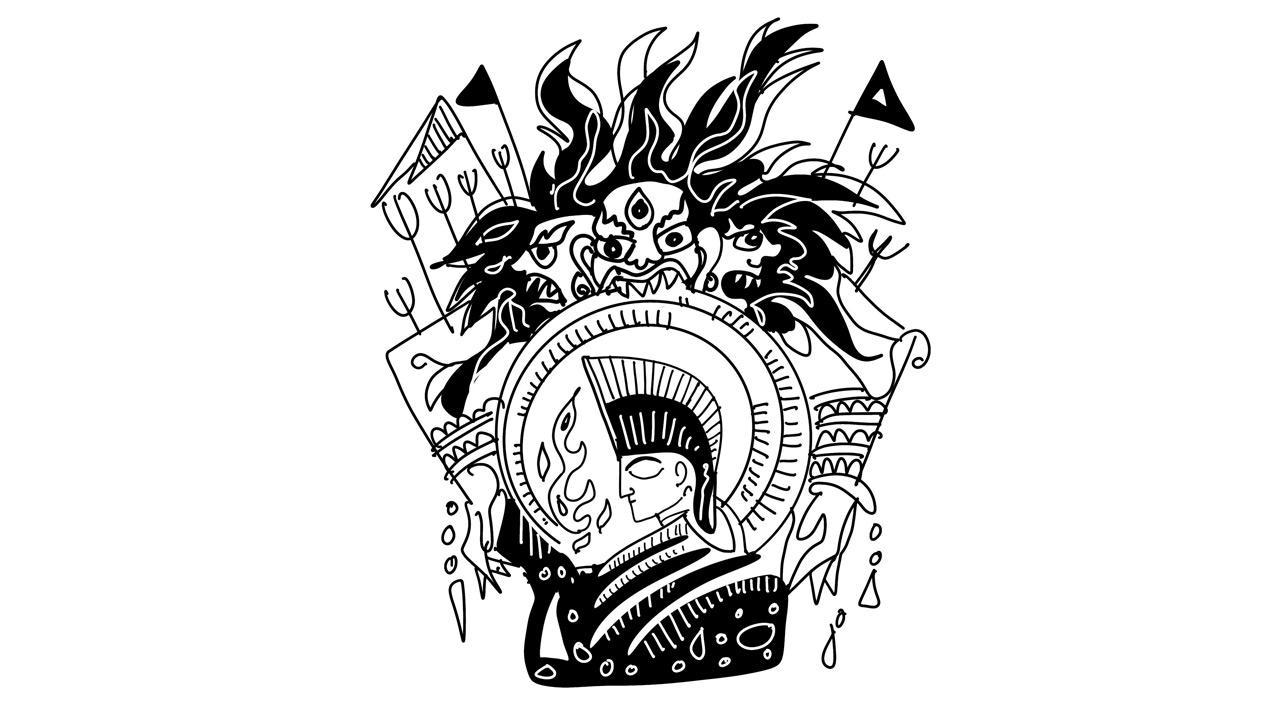
Illustration/Devdutt Pattanaik
 As per the Jataka tales, before he became the Buddha, Siddhartha Gautama experienced 550 rebirths. The stories of these rebirths are recounted in the Jataka tales. He was reborn as plants, animals, and humans. He was always reborn with a male body, never a female one.
And yet, in the 20th century, when Buddhism was reimagined in India and in the West, many people rejected the idea that Buddhism endorses the concept of rebirth. Scholars argued that rebirth was a Brahminical concept, intended to justify the caste system, as it was claimed that good deeds lead to rebirth in upper-caste families and bad deeds result in rebirth in lower-caste families. Reformers argued Buddhism was anti-caste, anti-fatalism and had nothing to do with rebirth doctrine.
Trending Stories
Latest Photos
Latest Videos
Latest Web Stories
ADVERTISEMENT
Mid-Day Fast
ADVERTISEMENT

ADVERTISEMENT