






Reclaiming Bombay’s streets: The lost art of walking in a changing city
Updated On: 09 November, 2024 07:20 AM IST | Mumbai | Lindsay Pereira
Bombay’s changing landscape has diminished its walkability, stripping residents of open spaces and walkable paths. As we lose access to public spaces, this article reflects on the impacts and advocates for a more walkable, inclusive city.

Listen to this article :
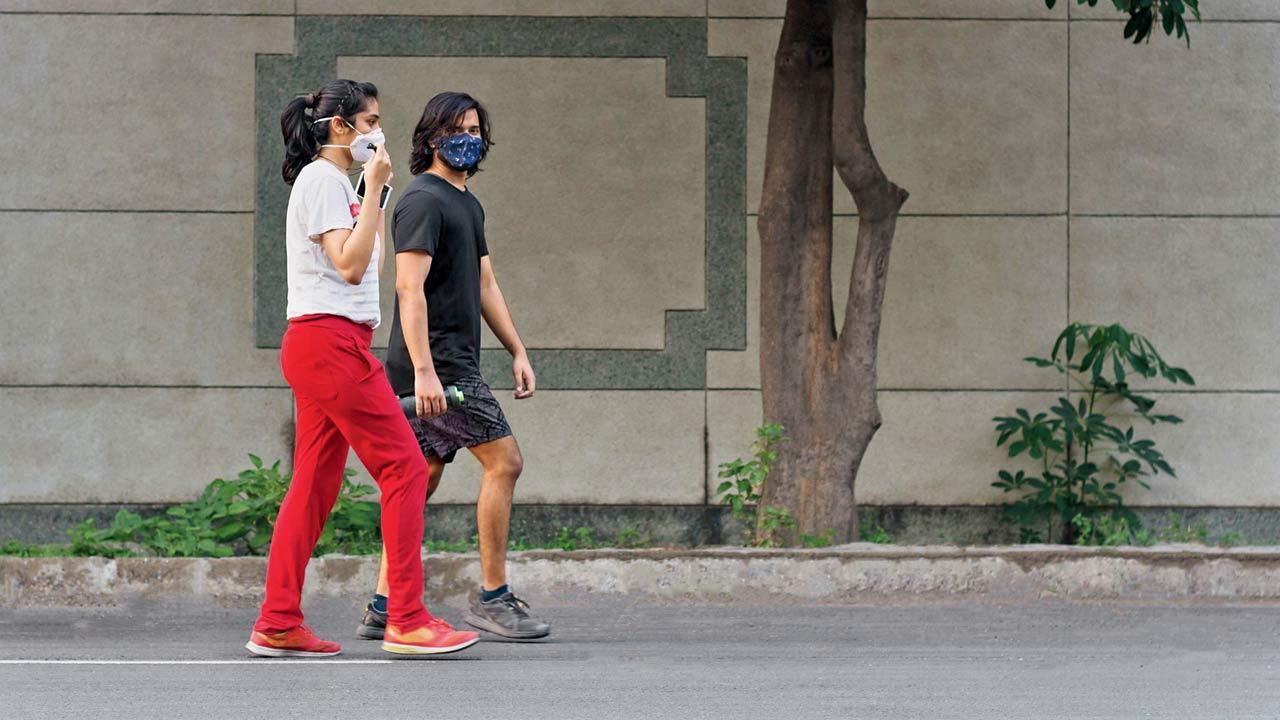
The difference between what a walkable city looks like, and the reality of any street in Bombay, is stark. Representation pic/iStock
 When was the last time you took a stroll around your locality? It is a question I ask friends often, not because I want to shame them into exercising more, but because I can’t seem to recall the last time I did it with any semblance of pleasure. I grew up in a suburb far removed from the centres of entertainment and shopping that traditionally attracted visitors from across the city. To get to Colaba or Crawford Market involved two buses and a train, so large portions of my childhood were spent wandering around lanes and paths that meandered through my neighbourhood. There was a local Bombay, and a hyper-local one where time seemed to slow down a little.
This may be hard to believe, but I also remember a time when children appeared to be everywhere. It may sound strange until you look around and see how rare it is to spot an unaccompanied child on your street. We would play cricket in public or private playgrounds and hide-n-seek along stretches of residential housing. We would climb trees because there were many of them, and because we could. And we did it all without the constant fear of being run over. All of this allowed our parents to take our access to play areas and open spaces for granted, much as we did.
Read Next Story
Trending Stories
Latest Photos
Latest Videos
Latest Web Stories
ADVERTISEMENT
Mid-Day Fast
ADVERTISEMENT

ADVERTISEMENT