Revolution in Sakina’s Kiss
Updated On: 19 February, 2024 06:49 AM IST | Mumbai | Ajaz Ashraf
Subtle and profound, author Vivek Shanbhag’s book explores, through fiction, the meaning that the idea of revolution holds for those whose faith in India’s democracy has been eroded





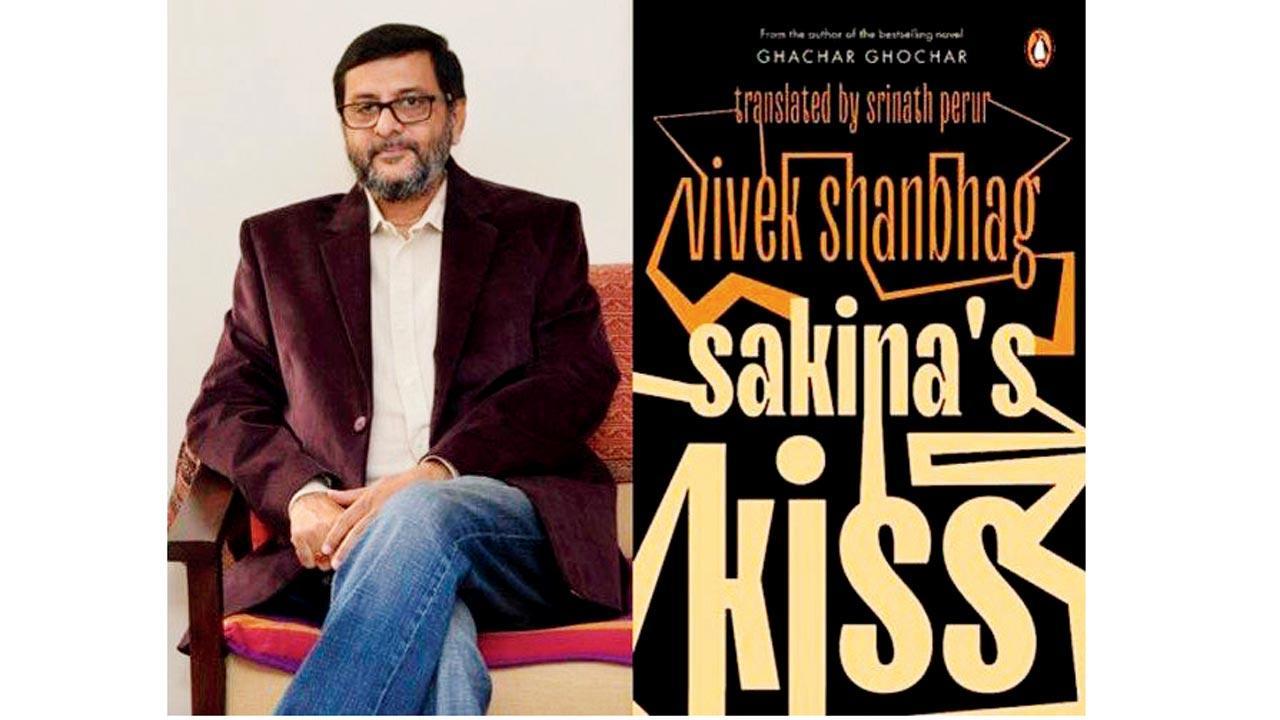
Vivek Shanbhag’s Sakina’s Kiss tackles three modes of transformation—individualistic, democratic and revolutionary
 Vivek Shanbhag’s Sakina’s Kiss should be read as a novel that courageously depicts the lure, and relevance, of revolution in our democracy debased over time. This idea Shanbhag articulates through the story of a family whose members struggle to define who they are in a Karnataka besotted with the politics of religiosity that is reactionary in nature. At the end of Sakina’s Kiss, the character with whom you sympathise most is the one who rebels.
Shanbhag does not give a name to the politics of religiosity, but the observations of the novel’s characters make it obvious it is Hindutva. After all, only its votaries have “so much patriotism that they have to flare out their chest and thump it”, and are “always looking for new enemies”. It is in this political-cultural milieu that Shanbhag examines, through fiction, the meaning that the idea of revolution has for those whose faith in India’s democracy as a vehicle for change has eroded.
Trending Stories
Latest Photos
Latest Videos
Latest Web Stories
ADVERTISEMENT

Ganeshotsav 2026

ADVERTISEMENT