






Shaped by the rains
Updated On: 11 June, 2023 07:33 AM IST | Mumbai | Devdutt Pattanaik
The story goes that whenever the gods performed rituals, they would get food for the bright half of the lunar cycle

Listen to this article :
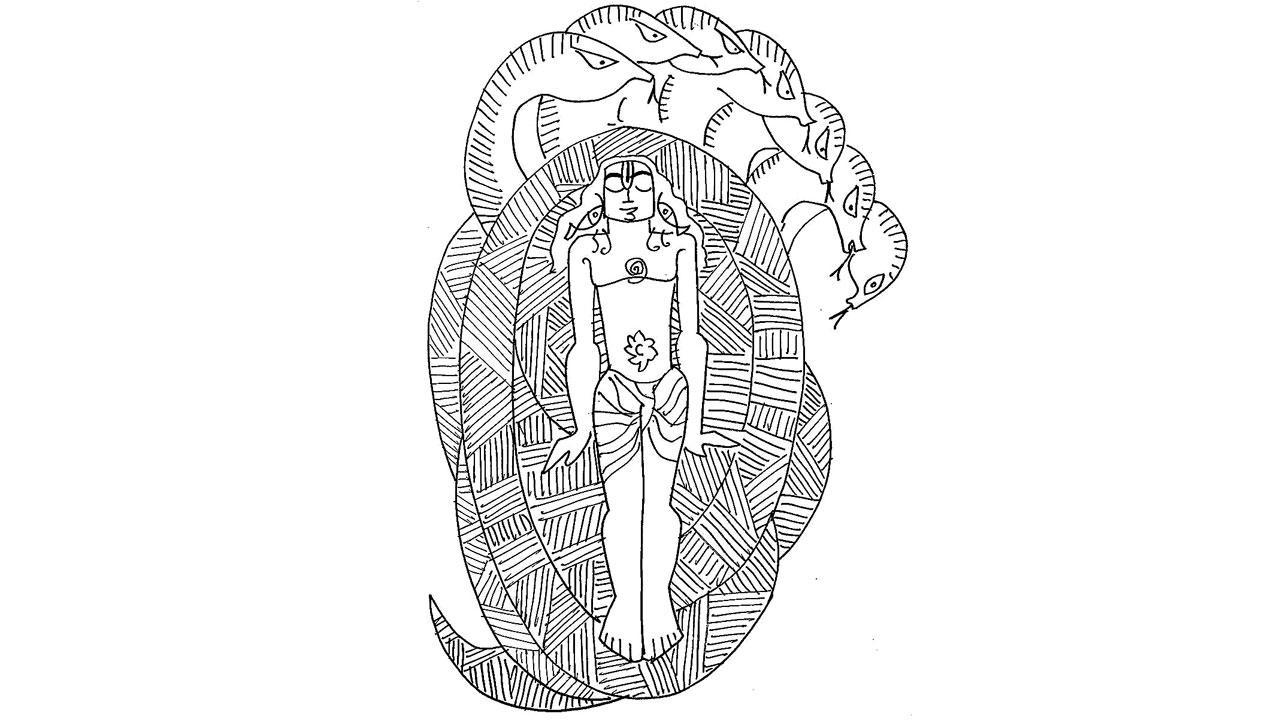
Illustration/Devdutt Pattanaik
 Aryans came from lands north of the Himalayas where there was no monsoon rains. They focused on four quarters of the year, based on the solstices, and equinoxes. Balgangadhar Tilak pointed out how Vedic hymns refer to long days without sun. He pointed out how great importance was given to dawn, Ushas, who appeared in the sky in spring but did not let the run rise until summer.
But when the Aryans entered India, they encountered the monsoon rains. Dawn and sun lost their importance to the rain. Suddenly the year was divided into three parts, the pre-monsoon spring and summer, the post monsoon autumn and winter. So important was the rain that the year (varsh) was identified by the word for rains (varsha). Hymns were composed to the rain-god Paranjaya. In the Vedic Brahmana literature, there is reference to Chaturmasya rituals, performed once every four months: at the start of spring, at the start of rain and at the end of rain.
Read Next Story
Trending Stories
Latest Photos
Latest Videos
Latest Web Stories
ADVERTISEMENT
Mid-Day Fast
ADVERTISEMENT

ADVERTISEMENT