






Sisterhood acts
Updated On: 03 September, 2023 07:12 AM IST | Mumbai | Paromita Vohra
The newspaper has now grown into a digital platform that reaches a few million in rural India each month, with reporters across UP, MP and Bihar

Listen to this article :
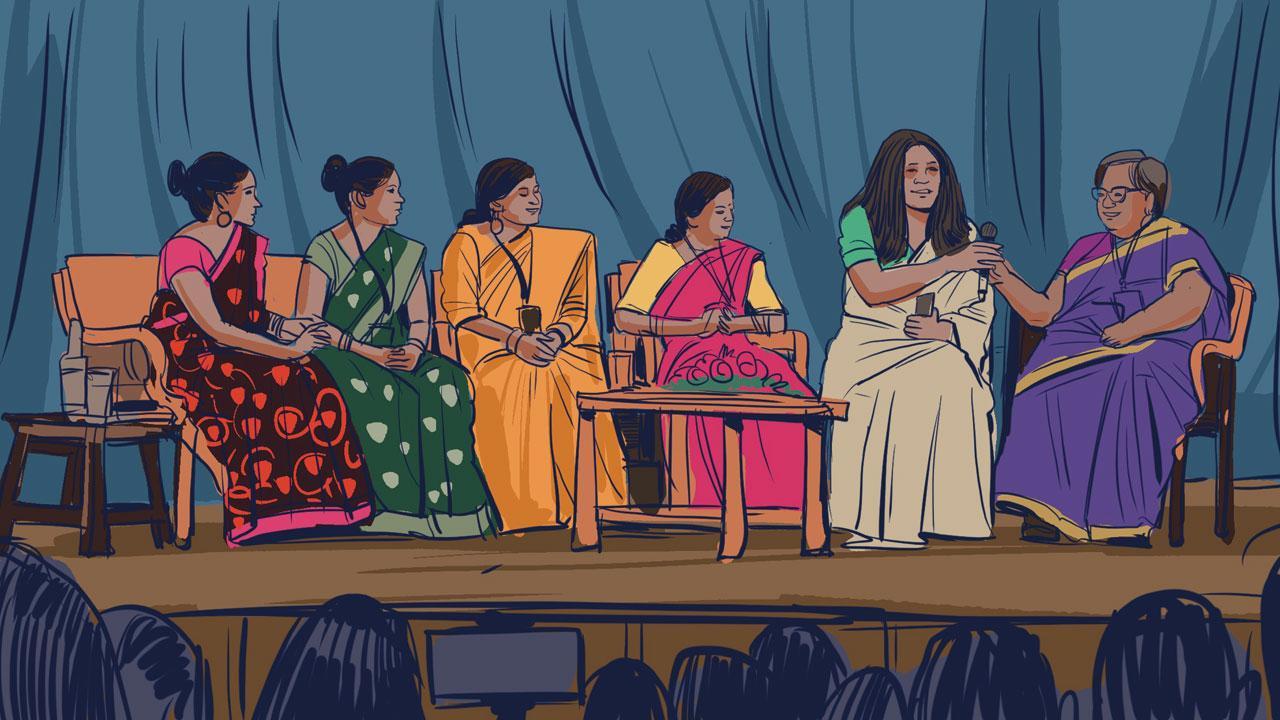
Illustration/Uday Mohite
 In 2007, my friend Bishakha Datta and I both made documentaries about the media.
Hers, called Taaza Khabar, was about a grassroots newspaper called Khabar Lahariya, which emerged from an adult literacy program and was run by rural women, primarily Dalit. Mine, called Morality TV aur Loving Jehad: Ek Manohar Kahani, was about an event called Operation Majnoo, which inaugurated an era of news television as tabloid landscape, not only competing for eyeballs with “sting operations” but becoming a medium to manufacture consent for ideas like love jihad and the world view that surrounds it. In Taza Khabar, we watch the women reporters go to a DTP shop, to print out their hand-drawn newspaper, and sell it at two rupees a copy in the market. In Morality TV we watch stringers hound and bully people into being filmed for “breaking news”.
Read Next Story
Trending Stories
Latest Photos
Latest Videos
Latest Web Stories
ADVERTISEMENT
Mid-Day Fast
ADVERTISEMENT

ADVERTISEMENT