







Sorry seems to be the easiest word
Updated On: 08 December, 2023 04:45 AM IST | Mumbai | Rosalyn D`mello
Committing a potentially punishable offence first and apologising later, rather than considering the moral and ethical dimensions of one’s actions, is symptomatic of omnipresent culture of impunity

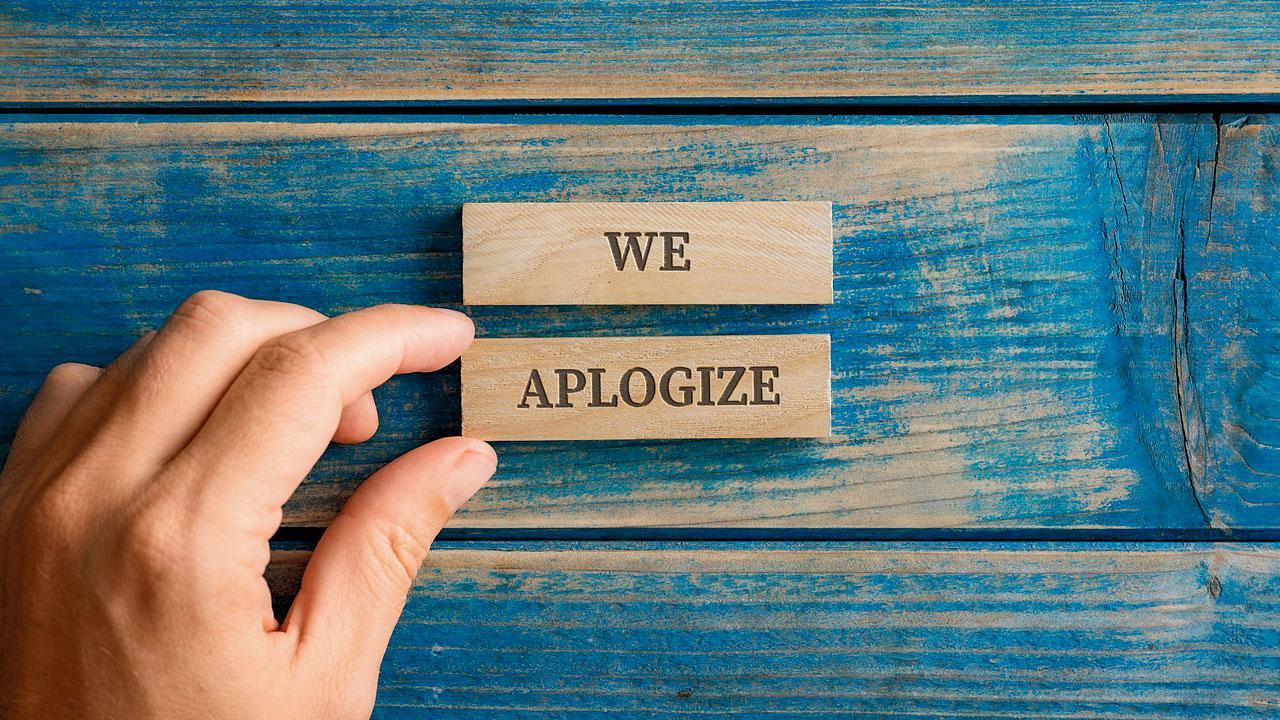
The focus should be on shifting away from the over-emphasis of ‘sorry’ as a remedial gesture to illustrating what remorse can look like. Instead of merely saying sorry, show it. Representation pic
 If there’s one thing that I have sworn never to do, it’s arm-twisting my toddler into saying sorry. If I had a nickel for each time I heard a parent command their child into apologising, I’d be able to afford full-time help. It is always a painful saga, especially when our child is meant to be on the receiving end of that apology. Usually, the parent who bears witness to their child’s aggression makes a big song and dance about it. They shame their child for their action and follow it up with those horrible two words, ‘Say Sorry’. You can see the look of shame on their kid’s face. The only thing they will eventually internalise from all this is that you can apologise for something without necessarily ‘feeling’ sorry, and that an apology is mainly a spoken act, a diplomatic gesture used to get off the hook after having committed a wrong. The whole scene is cringe-worthy.
There is another, more effective approach. Instead of compelling anyone to apologise, the parent who witnesses the aggressive act is encouraged to simply go towards the injured party and ask, ‘Are you okay?’. In doing so, the parent is presumably modelling reparative behaviour and sidestepping the shaming and guilt-tripping. This signals to the defaulter that there are consequences to their actions. The focus should be on shifting away from the over-emphasis of ‘sorry’ as a remedial gesture to illustrating what remorse can look like, thus distancing ‘sorry’ from defensive behaviour and moving towards the spirit of empathy and repair. Instead of ‘saying sorry’, you show it.
Read Next Story
Trending Stories
Latest Photos
Latest Videos
Latest Web Stories
ADVERTISEMENT
Mid-Day Fast
ADVERTISEMENT

ADVERTISEMENT