






Surviving rape
Updated On: 14 October, 2021 09:13 PM IST | Mumbai | Meenakshi Shedde
At 76, she remains emblematic of a way of being: busy, feisty, elegant, intellectual and attractive

Listen to this article :
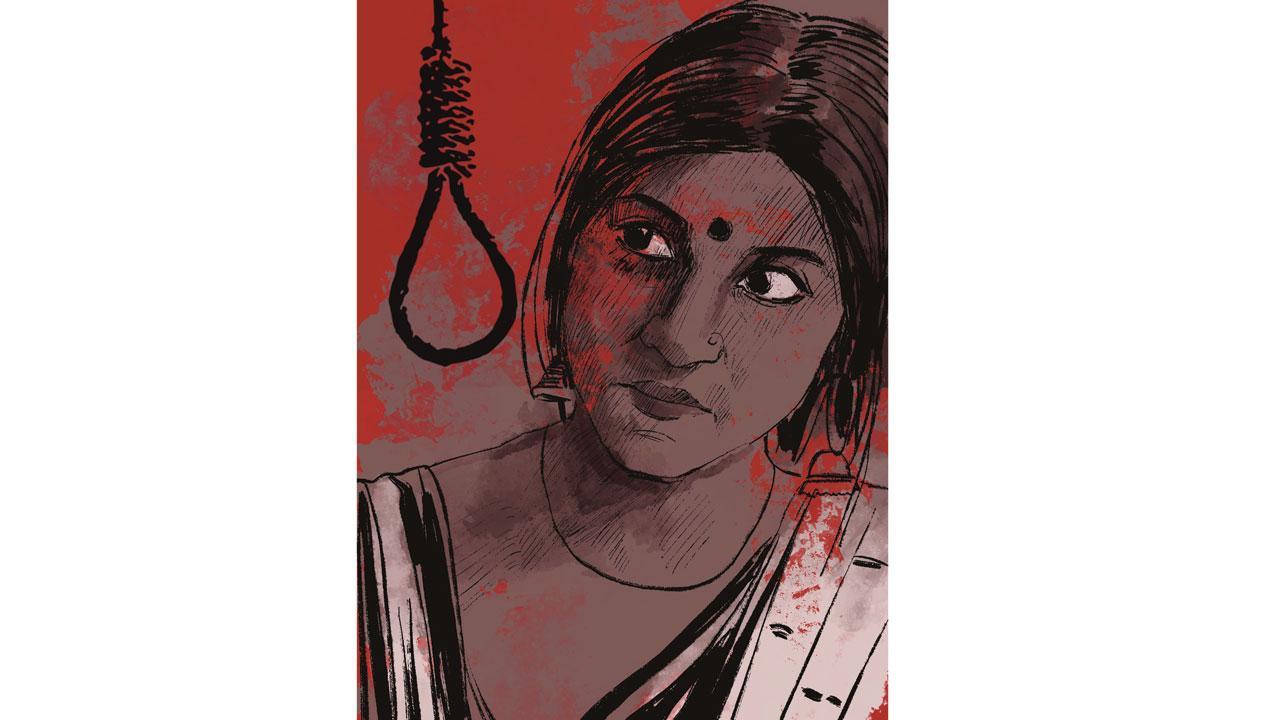
Illustration/Uday Mohite
 Aparna Sen’s latest film The Rapist, is a fine return to form for the director, who is at the top of her game. Starring Konkona Sensharma, Arjun Rampal and Tanmay Dhanania, the film is a powerful, richly layered, complex, thought-provoking film on the aftermath of rape. And how the delivery of justice is deeply affected by class, gender, education and religion. The film, produced by Applause Entertainment, had its world premiere at the Busan Film Festival in South Korea last week.
In fact, there is a bonanza of 15 South Asian films at Busan. From India, these include Natesh Hegde’s Pedro, and Rajdeep Paul and Sarmistha Maiti’s Kalkokkho—House of Time (both in the New Currents Competition); The Rapist, Payal Kapadia’s A Night of Knowing Nothing (Best Documentary at the Cannes Film Festival), Irfana Majumdar’s Shankar’s Fairies (Locarno Film Festival), Madhuja Mukherjee’s Deep6, Deepa Mehta’s Funny Boy, Rebana Liz John’s Ladies Only, Bharat Mirle’s The Road to Kuthriyar and Hemant Kudale’s Paanha, a short. Bangladesh comes all guns blazing, with Abdullah Mohammad Saad’s Rehana (at Cannes Film Festival’s Un Certain Regard as Rehana Maryam Noor); Mostofa Sarwar Farooki’s No Land’s Man (starring Nawazuddin Siddiqui, in English, with AR Rahman as composer and co-producer, and produced by Shrihari Sathe, US), and Mohammad Rabby Mridha’s No Ground Beneath the Feet. There’s also Kiran Shrestha’s Yet Another Winter from Nepal and Kelzang Dorjee’s Why is the Sky Dark At Night? from Bhutan, both shorts.
Read Next Story
Trending Stories
Latest Photos
Latest Videos
Latest Web Stories
ADVERTISEMENT
Mid-Day Fast
ADVERTISEMENT

ADVERTISEMENT