






The beauty of ephemeral friendships
Updated On: 16 June, 2023 08:19 AM IST | Mumbai | Rosalyn D`mello
A fleeting moment of contact with another mother whom one may never meet again allows one to be vocal about their fragilities and facilitates moments of total empathy

Listen to this article :
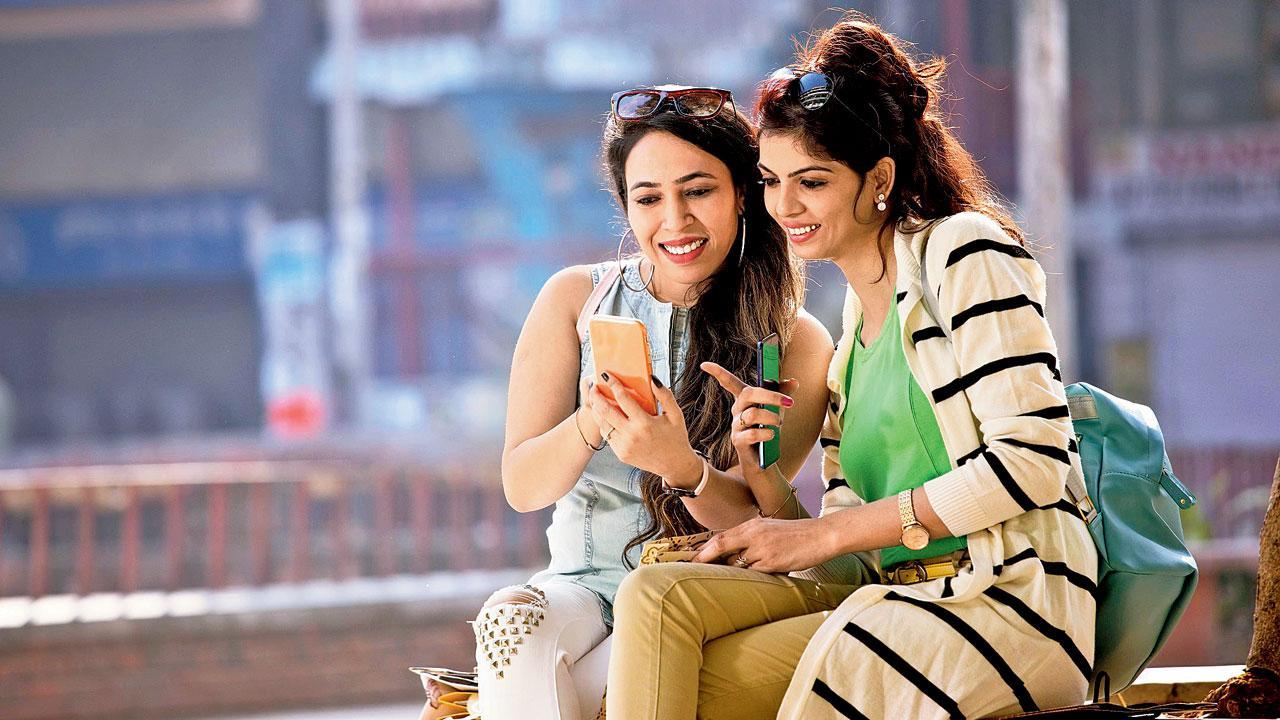
Because the people I consider to be my closest friends are those I’ve known for at least ten years, I’ve thought of friendship as the consequence of something long-term. Representation pic
 There is a form of female friendship that has perhaps historically gone under the radar, particularly so post-Industrialisation, when time got commodified and families became nuclear. I hadn’t considered it myself, although I’d touched on the subject in two previous recent columns. In one, I was pining for friendship in the town in which I live in South Tyrol. I felt envy looking at other mums who had shared histories together, perhaps went to the same school or grew up next door to each other. I see them hanging out with their kids, having picnics and supporting each other. Looking at them made me feel alienated from my social support system back home. Then I wrote about how a tourist mother approached me in the park when I was there with our kid and suggested us being friends and possibly meeting up the next time she visited. Yesterday, when I was in the town swimming pool, I met another tourist mother with whom I had a brief but meaningful exchange. The day before I’d had another conversation with a local mother at the playground. I have begun to realise how having a child exposes you to the world, often compelling you into moments of direct contact with strangers. When we travel, our child often responds to people around us by smiling or playing peek-a-boo. If I’m alone, I am dependent on strangers to help me usher the stroller in and out of public transport situations.
When the stranger in question happens to be another mother, the ice is broken quite quickly with a singular question: How old is your child? Suddenly we find ourselves exchanging notes, sharing information about our kids’ particularities, their habits, milestones, teething trajectory and everything in between. Until now, I had categorised all these exchanges as off-hand and casual, nothing remarkable. But when I was telling my partner about it, I described it as something akin to how smokers end up befriending each other… their addiction confines them to designated spots, placing them in close proximity with each other, setting the scene for conversation to occur. It’s similar to parenthood. You end up in a park or playground or pool, always in the vicinity of others like you and you begin to chat effortlessly because there’s much in common, even if you come from different social contexts. I had been dismissive of this because I felt sure I had little to share with people who live here who come from relative affluence and whose citizenship affords them privileges I can only dream of. Yet, if I allow myself to gloss over that fact, I find I can make room for such ephemeral friendships.
Read Next Story
Trending Stories
Latest Photos
Latest Videos
Latest Web Stories
ADVERTISEMENT
Mid-Day Fast
ADVERTISEMENT

ADVERTISEMENT