






The courtesan’s autonomy
Updated On: 03 October, 2021 06:54 AM IST | Mumbai | Devdutt Pattanaik
They were beneficiaries of circumstance, bound to the men through whom they acquired power

Listen to this article :
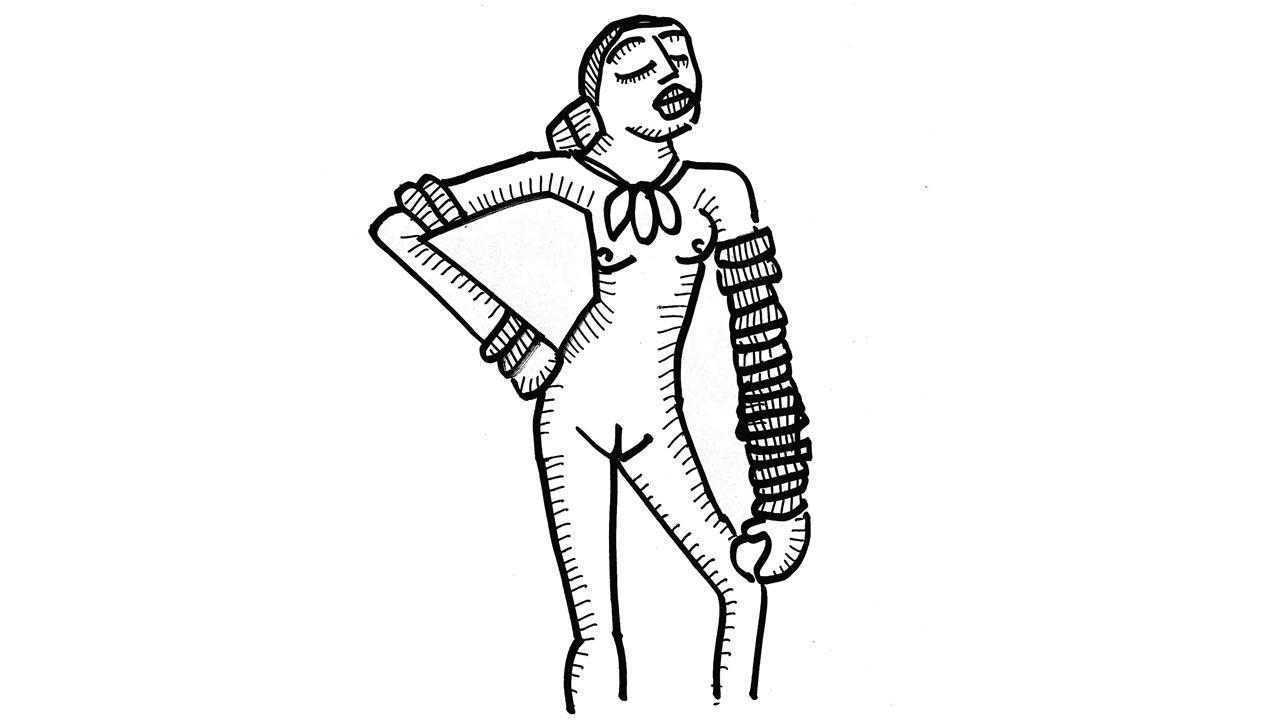
Illustration/Devdutt Pattanaik
 In Mohenjo-daro, archaeologists found a tiny bronze statue of a young naked girl, with bangles in her left hand, standing erect with an attitude, right arm on a hip. Despite no evidence, they declared her to be a ‘dancing girl’ and the name stuck. For the archaeologists in 1926, such a confident stance of a girl, despite being naked, could only indicate an arrogant woman lacking modesty—a courtesan!
Indian history has very few stories about strong, assertive women. We are told about queens like Rani Lakshmibai of Jhansi, Ahilyabai Holkar of Indore, or Rani Abbakka of Ullal. They overshadow housewives, nuns and courtesans, the three categories of women found in traditional literature. But queens were not independent women. They were beneficiaries of circumstance, bound to the men through whom they acquired power. They performed male roles, in the absence of a worthy male.
Read Next Story
Trending Stories
Latest Photos
Latest Videos
Latest Web Stories
ADVERTISEMENT
Mid-Day Fast
ADVERTISEMENT

ADVERTISEMENT