






The gentrification of Matunga and Dadar
Updated On: 27 September, 2021 08:28 AM IST | Mumbai | Fiona Fernandez
It’s been a year since city historian, architect and Matunga-born Kamu Iyer passed on. The rapid changes in the original streetscape of the areas that went on to influence his research, were a matter of huge concern to him

Listen to this article :
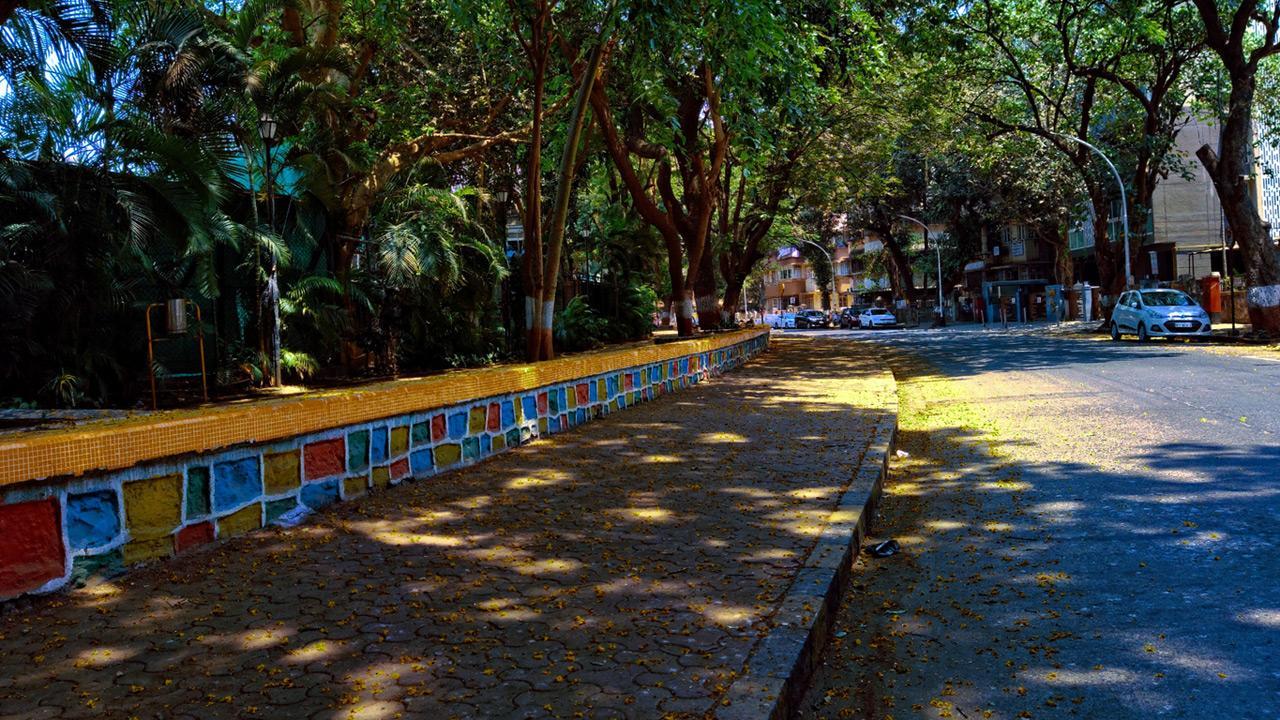
Representation pic. Pic/iStock
 It’s a view that I cringe to look at each time I pass by the Matunga-Dadar stretch along Dr Ambedkar Road [formerly Kingsway]. The uneasiness worsens if the waiting time increases, and I am forced to glance from the window of my kaali-peeli at countless concrete monstrosities that stand cheek-by-jowl on either side of this busy road. I also realised that the names of these residential palaces are a chuckle-worthy fusion [if you wish to look at the lighter side of these aberrations]. A majority are twisted combinations — borrowed heavily from inter-stellar galactic phraseology and the exhaustive repository representing Hindu gods and goddesses.
It is these saas-bahu TV serial set-like lobbies, garishly designed marbled archways and the ‘landscaped garden-cum-spa-cum-swimming pool’ dreamy universe that represents new Matunga and new Dadar. It’s a painful imagery, if you’ve been a regular to this area for decades together. The late Kamu Iyer, who spent his childhood and most of his adult life studying its unique character and architecture, would often rue it in his writings and his conversations. I was fortunate to have had the opportunity to pick his brains on several occasions about this slow phase-out of his beloved Matunga and Dadar. One of his books, Boombay: From Precinct to Sprawl, evocatively traces the changes in these parts from the 1940s. Largely written from his own experiences, as a student, and later as an architect and teacher, I find myself leafing through its pages [and subconsciously seeking solace] as if on autopilot after each such glance of these neighbourhoods. It’s a different story altogether that it remains one of my favourite go-to books for a 360-degree insight into the architecture and socio-economic documentation of central Bombay.
Read Next Story
Trending Stories
Latest Photos
Latest Videos
Latest Web Stories
ADVERTISEMENT
Mid-Day Fast
ADVERTISEMENT

ADVERTISEMENT