






The surgical donor
Updated On: 27 October, 2024 08:33 AM IST | Mumbai | Dr Mazda Turel
When it comes to donating the organs of your loved ones, humans all react differently

Listen to this article :
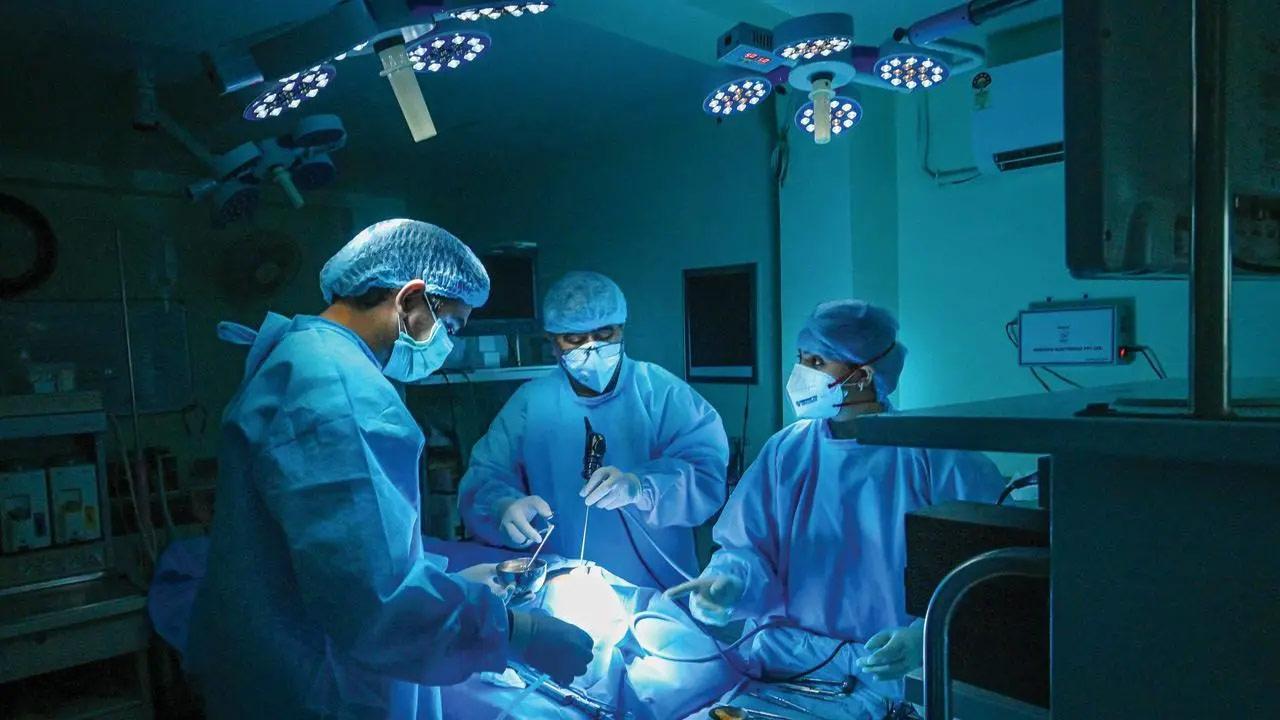
Representation pic
 She was eating her lunch at home and collapsed on the dining table,” a panic-stricken daughter said as she brought her 68-year-old mom to the emergency room. She was completely befuddled about what was happening. Everything had been fine just minutes before—her mother had been regaling her with stories of an errant uncle, when suddenly, she became unresponsive. Her blood pressure at admission was astronomical. She had to be tubed and immediately connected to a ventilator, as she wasn’t breathing spontaneously. Her records showed she was on blood thinners for a cardiac bypass she had had a few years ago.
The CT scan showed a massive haemorrhage within the brainstem, the central core of the brain and in areas surrounding it. Imagine drawing a giant brain the size of a kabutar khana; all the pigeon poop was blood.
I spoke with her daughter and son-in-law who were present. “I would not suggest doing an operation, because surgery, at best, may save her life but will leave her vegetative,” I explained honestly. “But we have to do something,” the daughter insisted emphatically. Most relatives want to go all out for their loved ones because the guilt of not doing everything leaves them devastated. “We will give her medication to reduce the swelling in the brain and keep the blood pressure down, and see if she recovers any of her brain function,” I empathetically made them understand, because telling someone upfront that nothing can be done is equally shocking and could be perceived as having given up too soon.
Read Next Story
Trending Stories
Latest Photos
Latest Videos
Latest Web Stories
ADVERTISEMENT
Mid-Day Fast
ADVERTISEMENT

ADVERTISEMENT