






The surgical sadness
Updated On: 29 May, 2022 07:33 AM IST | Mumbai | Dr Mazda Turel
How do you tell an undefeated patient that there perhaps might never be a road to recovery?

Listen to this article :
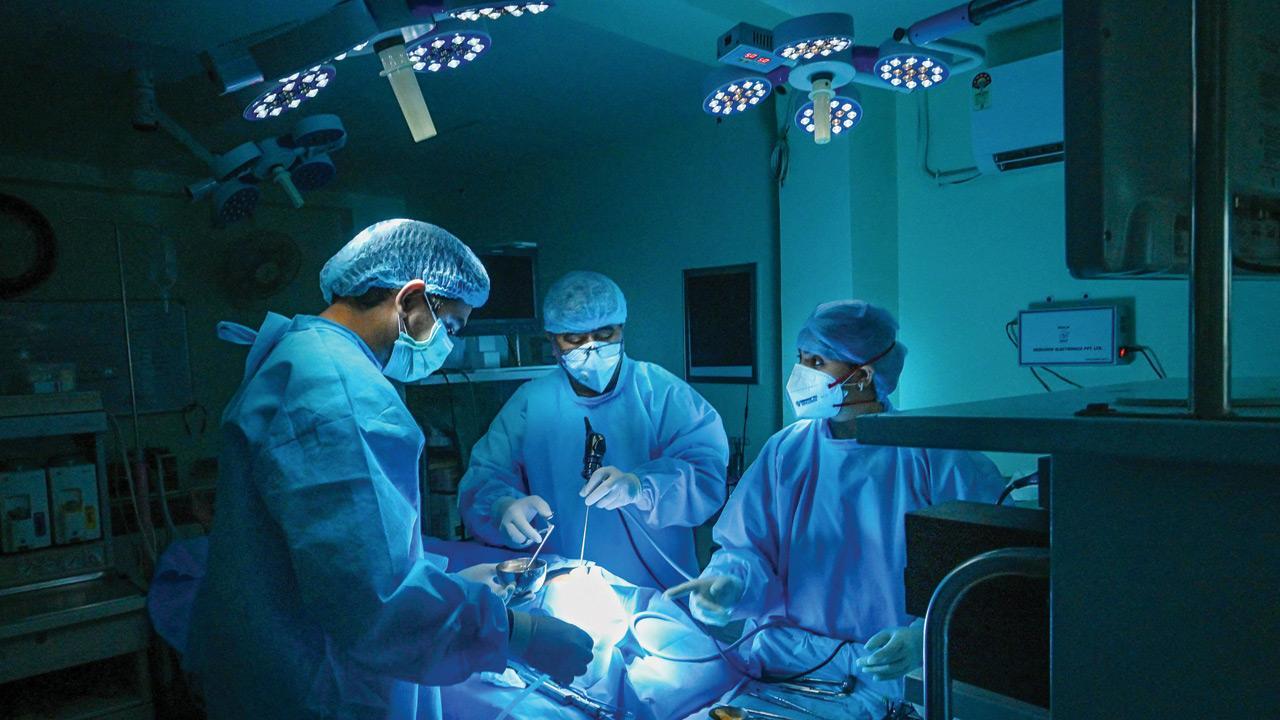
Representative Image
 Will I be able to walk again?” Ronald asked me, peering deeply into my eyes as I stood next to his hospital bed. Three months ago, in another country, he was waiting at a red light on his bike when a truck lost control and thrust into him from behind, transecting his spinal cord and leaving him paralysed below the waist. He had surgery back home to realign the spine, which they did with some screws and rods to stabilise the broken fragments, but, as expected, with an injury of this nature, there was no gain of function in his lower limbs. He was transferred to our hospital for extensive rehabilitation.
The short answer to his question was “no”. The long answer was also “no”. But how do you tell that to a 45-year-old father of two sprightly children, an image of whom I could see on the screensaver on his phone. He had left them behind with his parents and had travelled here with his wife, promising them that he would come home walking in two months. “My hands are fine,” he said, raising them up and opening and clenching his fists. He had rounded biceps and chiselled forearms, probably from using them to move his torso around. “But I can’t feel anything below my chest,” he mourned with a listless anguish. “I don’t even get an erection.” He pointed to the urine bag that his catheter drained into. It had flaky sediments that made the urine appear hazy; a consequence of prolonged catheterisation.
Read Next Story
Trending Stories
Latest Photos
Latest Videos
Latest Web Stories
ADVERTISEMENT
Mid-Day Fast
ADVERTISEMENT

ADVERTISEMENT