






The WAQF Amendment Bill 2024: Politics Vs Reforms
Updated On: 16 September, 2024 10:24 AM IST | Mumbai | Ritwik Mehta
The Joint Parliamentary Committee (JPC) on the WAQF Amendment Bill invited public input, especially from experts, with a 15-day submission deadline, which has now ended

Listen to this article :
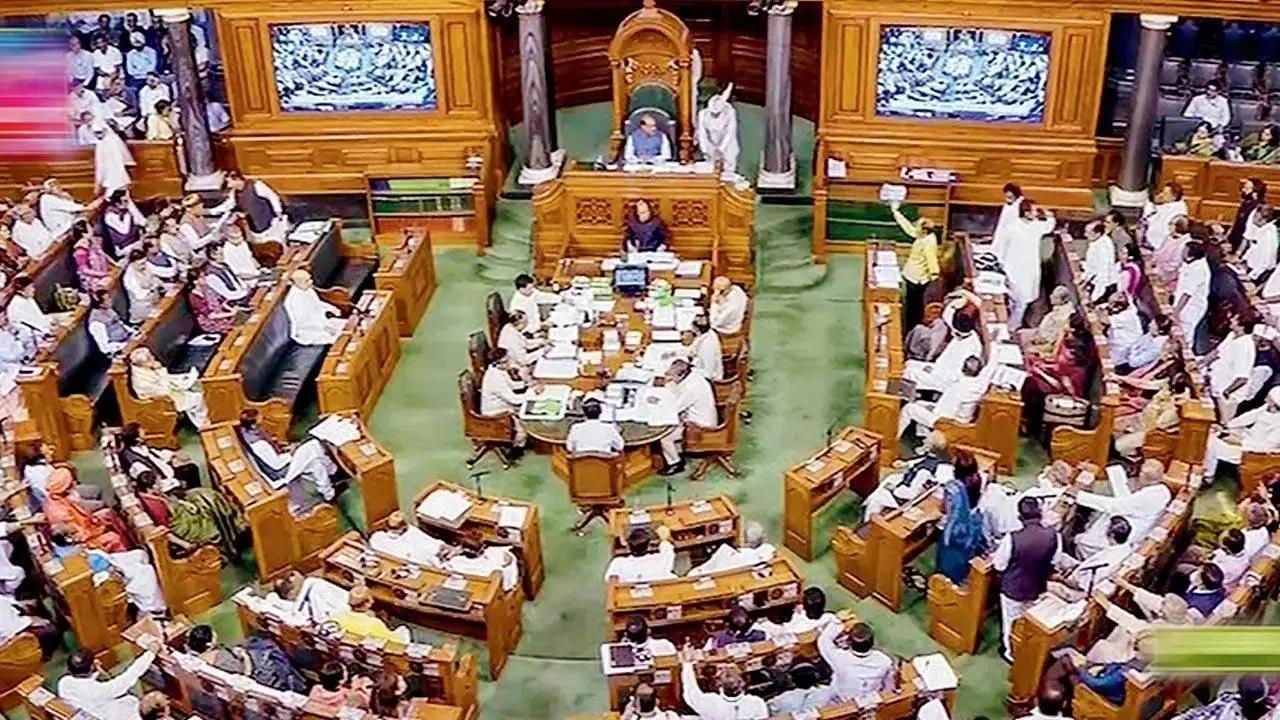
Image for representational purpose only. Photo Courtesy: istock
When was the last time you saw the Indian public actively involved in providing suggestions for a law to be introduced in Parliament? While protests against bills like the farm laws or the Citizenship Amendment Act are familiar, for the first time, a bill yet to be introduced—the WAQF Amendment Bill 2024—received hundreds of suggestions from citizens across the nation. The Joint Parliamentary Committee (JPC) on the WAQF Amendment Bill invited public input, especially from experts, with a 15-day submission deadline, which has now ended.
Narendra Modi had promised significant reforms within the first 100 days of his third term, but instead faced criticism for the budget, passed bills, and challenges in balancing alliances with new partners. With core BJP voters losing hope for bold reforms, the government introduced the much-anticipated WAQF Amendment Bill. However, once tabled, it caused division not only within the opposition but also among NDA allies. Nitish Kumar, Chandrababu Naidu, and Chirag Paswan adopted neutral stances, requesting the bill be referred to the JPC.
Unfortunately, what followed wasn’t conducive to a healthy democracy. Several Muslim politicians and organizations seized the moment to rally their community against the bill, with Asaduddin Owaisi leading the charge, labeling it anti-Islamic. Soon, videos surfaced of Muslim organizations setting up stations where people could scan a QR code to email the JPC, claiming the bill was harmful to the Muslim community. Public announcements in Muslim-majority areas falsely alleged that the bill would give the government control over WAQF land.
As Newton’s third law states, every action has an equal and opposite reaction. Hindu groups, pro-Hindutva politicians, and right-wing social media accounts adopted a similar approach, encouraging Hindus to scan a QR code and email the JPC in support of the bill. Ironically, it’s likely that 90% of people on both sides hadn’t even read the bill. But this is how democracy often plays out.
Politics Of WAQF
In 2013, a significant change was made to the definition of Waqf. Under the Wakf Act of 1954, "Waqf" referred to the permanent dedication by a person professing Islam of any movable or immovable property for purposes recognized by Muslim law as pious, religious, or charitable. However, in 2013, the phrase "permanent dedication by a person professing Islam" was replaced with "permanent dedication by any person." This amendment implies that anyone, regardless of religion, can now transfer their property to the Waqf Board.
As per Section 40 of the Wakf Act, 1995 (amended in 2013), the state has the authority to determine whether a Waqf is Sunni or Shia. Waqf Boards are empowered to decide if a property is Waqf property. They can investigate and resolve ownership disputes, with their decisions being final unless overturned or modified by the tribunal. Appeals against board decisions can be made to the tribunal, but no timeframe is set for case resolution. This lack of timelines has led to a significant backlog of cases, raising concerns about Waqf bureaucracy and efficiency. Currently, over 40,951 cases are pending in Waqf tribunals. The absence of judicial oversight on tribunal decisions exacerbates the issue.
In 2019, in a written response to BJP MP Ajay Nishad, Minorities Affairs Minister Mukhtar Abbas Naqvi informed the Lok Sabha that 16,937 Waqf Board properties were under encroachment across the country, with Punjab accounting for 5,610, the highest number of encroachments. At the core of this issue is a complex network of Waqf properties, often plagued by mismanagement, corruption, and unclear ownership.
List of Famous WAQF Land Dispute Cases Across India
1. Tamil Nadu Waqf Board claims ownership of a Hindu-majority village
In 2022, Thiruchenthurai village (A Hindu Majority Village) near Trichy, Tamil Nadu was designated as a waqf property by the Tamil Nadu Waqf Board. Thiruchenthurai is a village situated on the south bank of the Cauvery river in Tamil Nadu. The issue came to Highlight when a resident of that Village, attempted to sell his land, but came to the surprise at the Registrar’s office when he learned that the land did not belong to him and instead belonged to the Waqf Board. Surprisingly, the Waqf Board has also claimed that the 1500-year-old Sundareswarar Temple belongs to them, a temple constructed even before the Arrival of Islam in India.
2. Transferring of Gurudwara land to Waqf Board in Haryana
There has been a long conflict going on concerning Gurudwara’s 14-marle land in Haryana’s Jathlana village. The Waqf Board had petitioned the court in this regard and the court, in turn, assigned this land to the Waqf Board. The court directed the Gurudwara committee to vacate the land and hand it over to the Waqf Board.
However, Gurdwara Committee members Manish Batra, Jaswinder Singh, and Sardar Satwinder Singh confirmed that since 1947, the Gurdwara has stood on this site and that there has never been a mosque on the property where the Gurudwara is located, a claim made by the Waqf Board to acquire the property.
3. Surat Municipal Corporation headquarters at Muglisara had been declared waqf property
In November 2021, the Surat Municipal Corporation headquarters at Muglisara had been declared waqf property. The board had claimed that during the Mughal rule of Shah Jahan, his daughter Jahanara Begum owned Surat and her confidante Ishaqbail Yazdi alias Haqiqat Khan constructed the building back in 1644 and named it Humayun Sarai. It was reportedly donated for Haj pilgrims to rest.
4. Sunni Waqf Board claims Shah Jahan gave them the Taj Mahal
The Sunni Waqf Board has occasionally laid claims to the Taj Mahal, asserting that it is a waqf property (endowment) under Islamic law, based on the belief that the Mughal emperor Shah Jahan dedicated the monument as a waqf during his reign. They argue that since it is an Islamic structure—a mausoleum—it should be managed under Muslim personal law as waqf property.
Buy now to read the full story.
For any queries please contact us: E-mail: support@mid-day.com
Read Next Story
Trending Stories
Latest Photos
Latest Videos
Latest Web Stories
ADVERTISEMENT
Mid-Day Fast
ADVERTISEMENT

ADVERTISEMENT