






Home / News / World News / Article /
9/11 Remembrance Day: Reflecting on the impact on South Asian Muslim communities
Updated On: 10 September, 2024 10:11 PM IST | Washington | mid-day online correspondent
The terrorist attacks in the United States in 2001, which killed over 3,000 people, altered the direction of history.

Listen to this article :
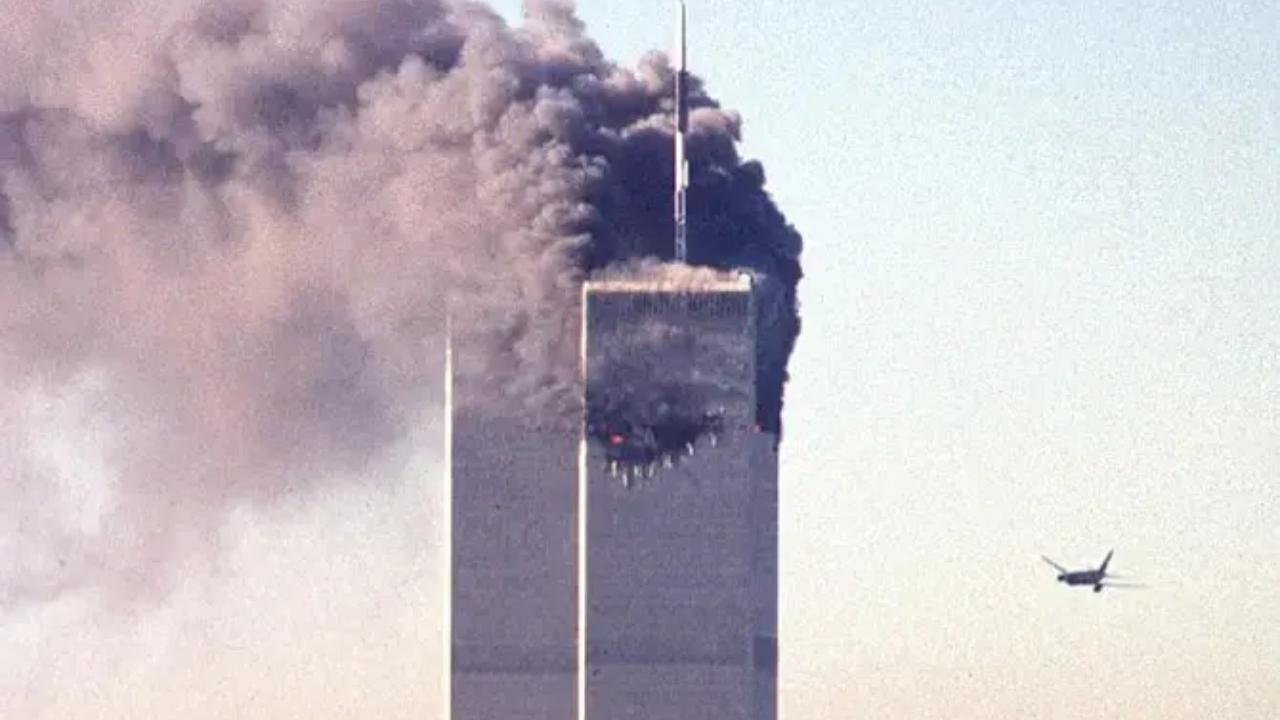
The attack at WTC. File Pic/AFP
Every year on September 11, people all across the world pause to reflect on the awful events of 9/11. The terrorist attacks in the United States in 2001, which killed over 3,000 people, altered the direction of history. It was a day of enormous loss, grief, and shock that had far-reaching political, social, and cultural ramifications worldwide. South Asian Muslim communities were particularly affected, facing heightened scrutiny, persecution, and an increase in Islamophobia in the years following the attacks.
9/11 Remembrance Day: The Immediate Aftermath
For South Asian Muslims, particularly those living in Western countries, the aftermath of 9/11 marked a significant shift in their perception. In the days and weeks after the attacks, there was an increase in hate crimes, verbal abuse, and physical attacks on Muslims or those thought to be Muslim, including Sikhs and other South Asians.
Read Next Story
Trending Stories
Latest Photos
Latest Videos
Latest Web Stories
ADVERTISEMENT
Mid-Day Fast
ADVERTISEMENT

ADVERTISEMENT