






Home / News / World News / Article /
COVID-19: Antibodies may last for days in some, decades in others - Study
Updated On: 25 March, 2021 07:29 AM IST | Singapore | Agencies
The research, published in The Lancet Microbe journal, noted that recovered patients with low levels of neutralising antibodies may still be protected from reinfection if they have robust immunity

Listen to this article :
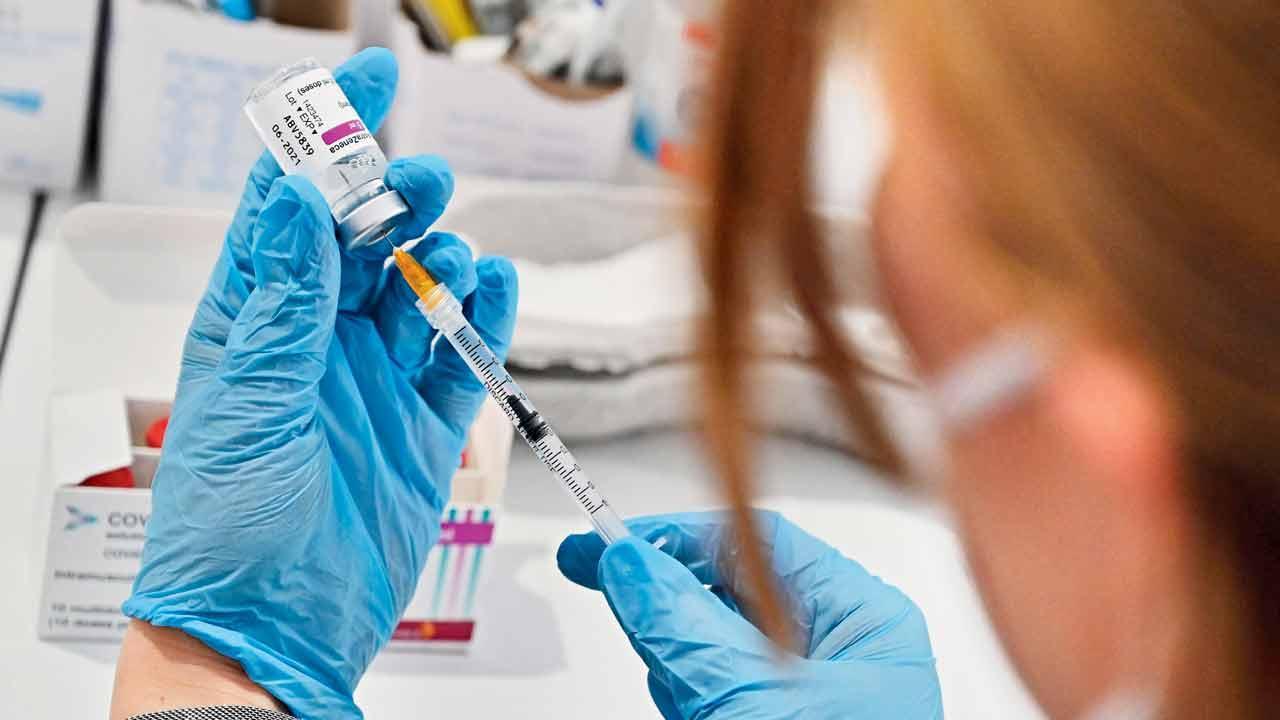
A medical worker fills a syringe from a vial of the AstraZeneca vaccine at a vaccination hub outside Rome’s Termini railway station. Pic/AFP
Antibodies against the novel Coronavirus wane at different rates, lasting for mere days in some individuals, while persisting in others for decades, according to a new study which says COVID-19 severity could be a deciding factor in having longer-lasting protection against reinfection.
The research, published in The Lancet Microbe journal, noted that recovered patients with low levels of neutralising antibodies may still be protected from reinfection if they have robust immunity in the form of the body’s T cells.
Read Next Story
Trending Stories
Latest Photos
Latest Videos
Latest Web Stories
ADVERTISEMENT
Mid-Day Fast
ADVERTISEMENT

ADVERTISEMENT