


Home / News / World News / Photos /
IN PHOTOS: Iran mourns late Prez Raisi, officials who died in helicopter crash
Updated On: 21 May, 2024 06:19 PM IST | Sanjana Deshpande
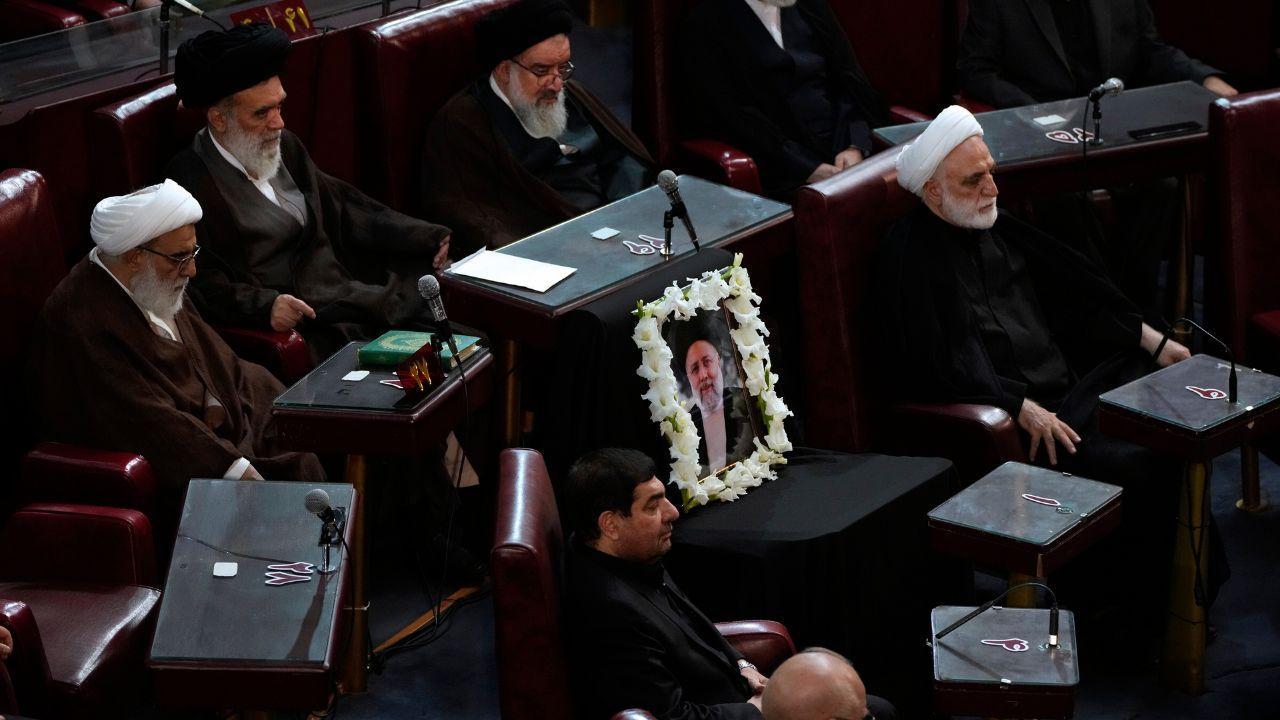
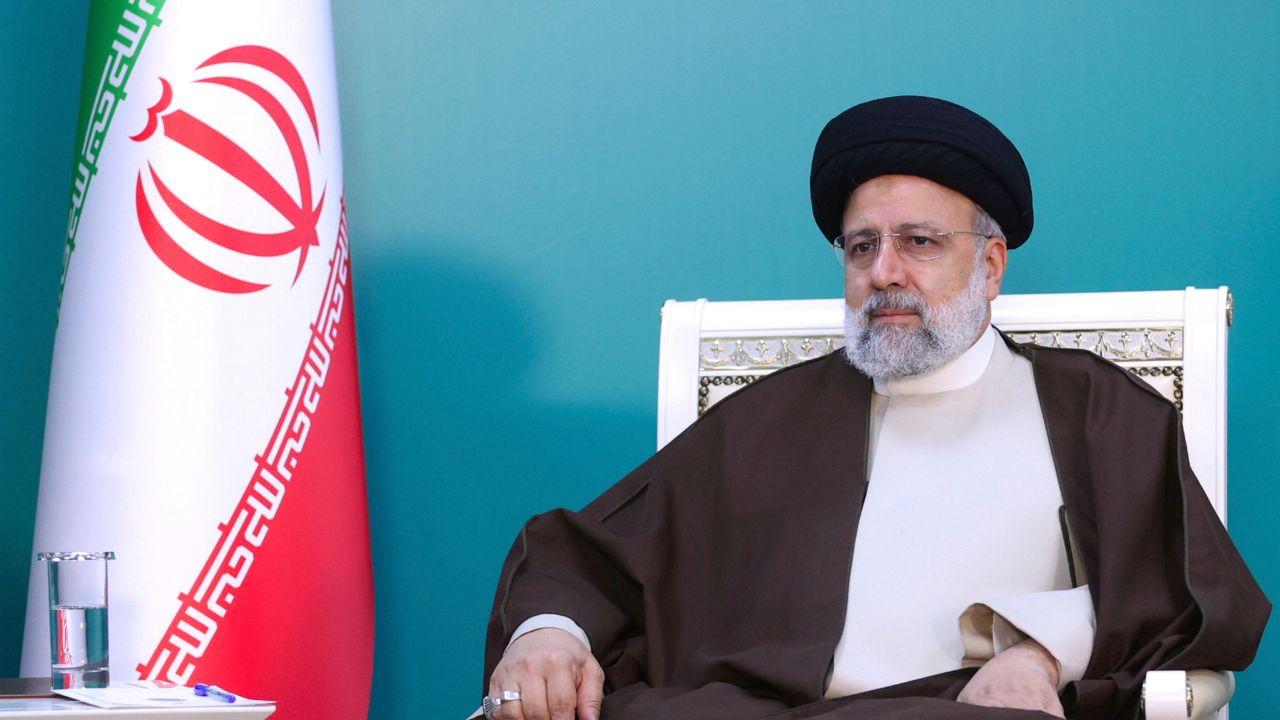
Iranians have begun several days of mourning for President Ebrahim Raisi, Foreign Minister Hossein Amirabdollahian, and others killed in a helicopter crash. The ceremonies aim to honour the deceased and project national strength amid regional instability. Pics/ PTI

1/9
Iranians have begun several days of mourning for President Ebrahim Raisi, Foreign Minister Hossein Amirabdollahian, and others killed in a helicopter crash. The ceremonies aim to honour the deceased and project national strength amid regional instability. Pics/ PTI
2/9
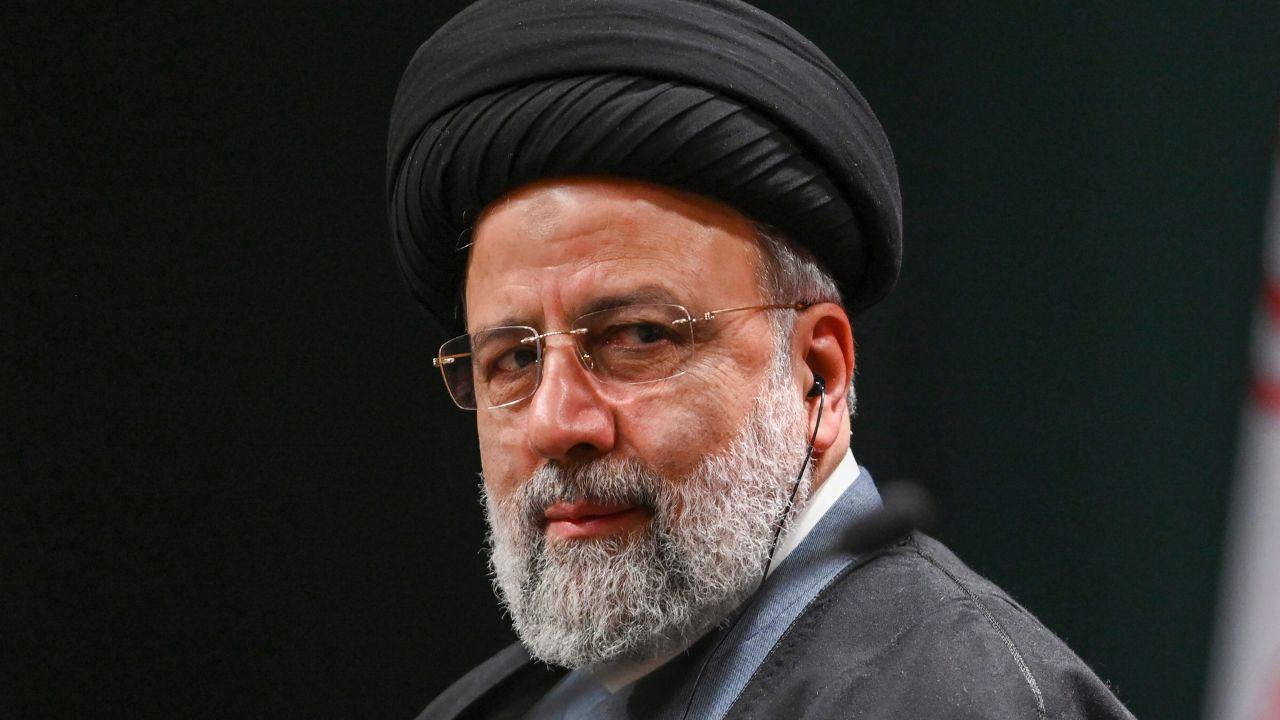
Iran`s Shiite theocracy has a tradition of mass demonstrations, dating back to the 1979 Islamic Revolution. The recent processions recall the large turnouts for figures like Grand Ayatollah Ruhollah Khomeini and General Qassem Soleimani.
ADVERTISEMENT
3/9
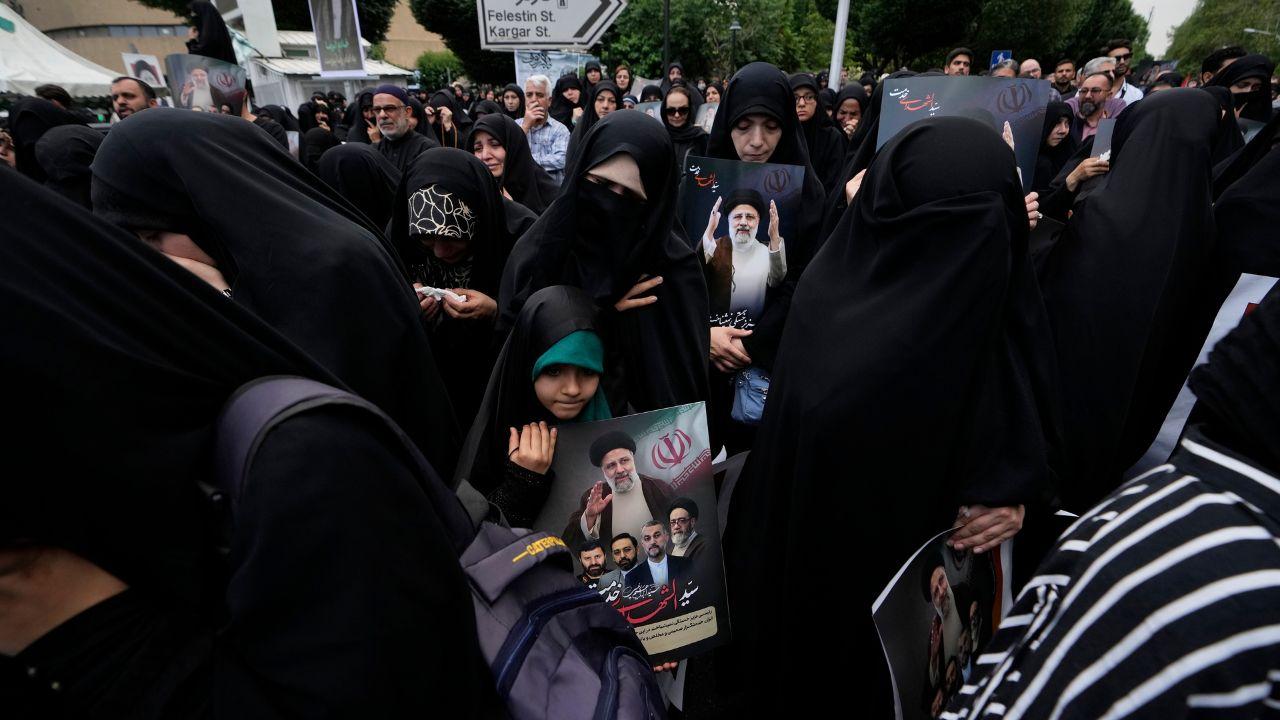
It remains unclear if the funerals for Raisi and others will draw as large a crowd, given Raisi`s controversial tenure and the lowest-turnout presidential election in Iran`s history.
4/9
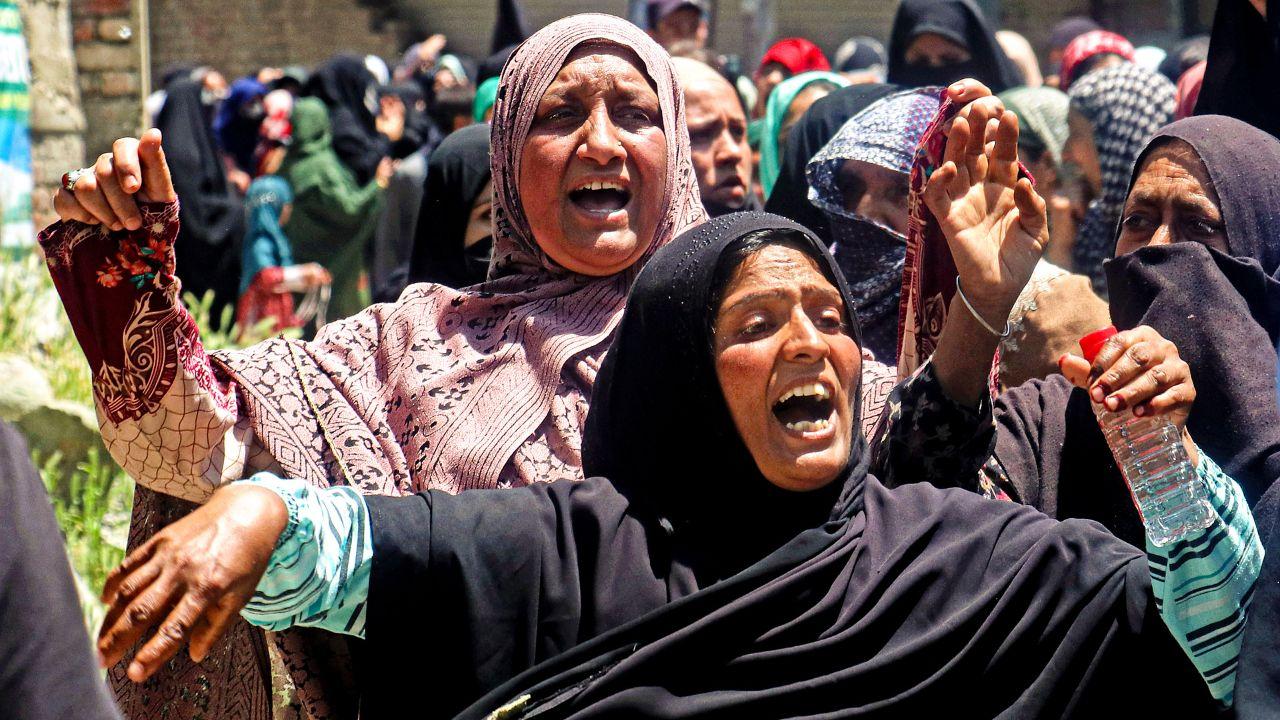
Authorities have warned against public celebrations of Raisi`s death, and a heavy security presence has been observed in Tehran to prevent unrest.
ADVERTISEMENT
5/9
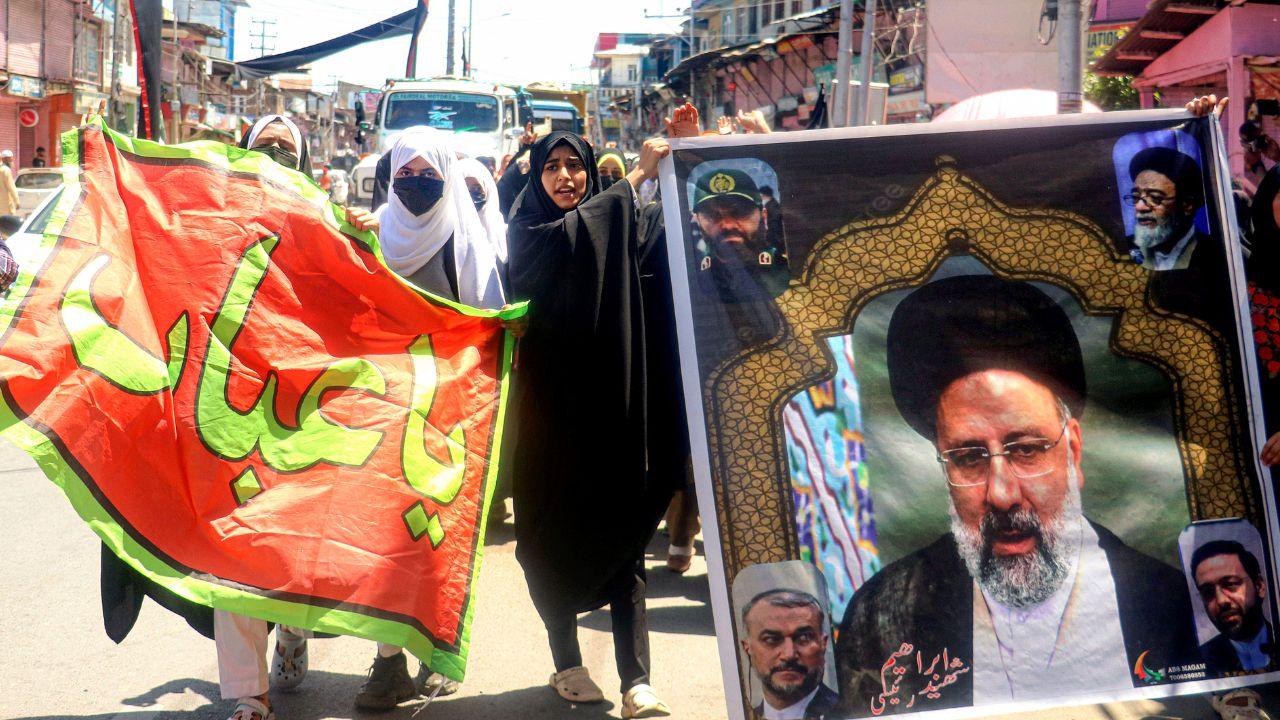
Raisi`s death disrupts the anticipated succession plans for Iran’s supreme leader, Ayatollah Ali Khamenei, raising questions about future leadership amid upcoming elections.
6/9
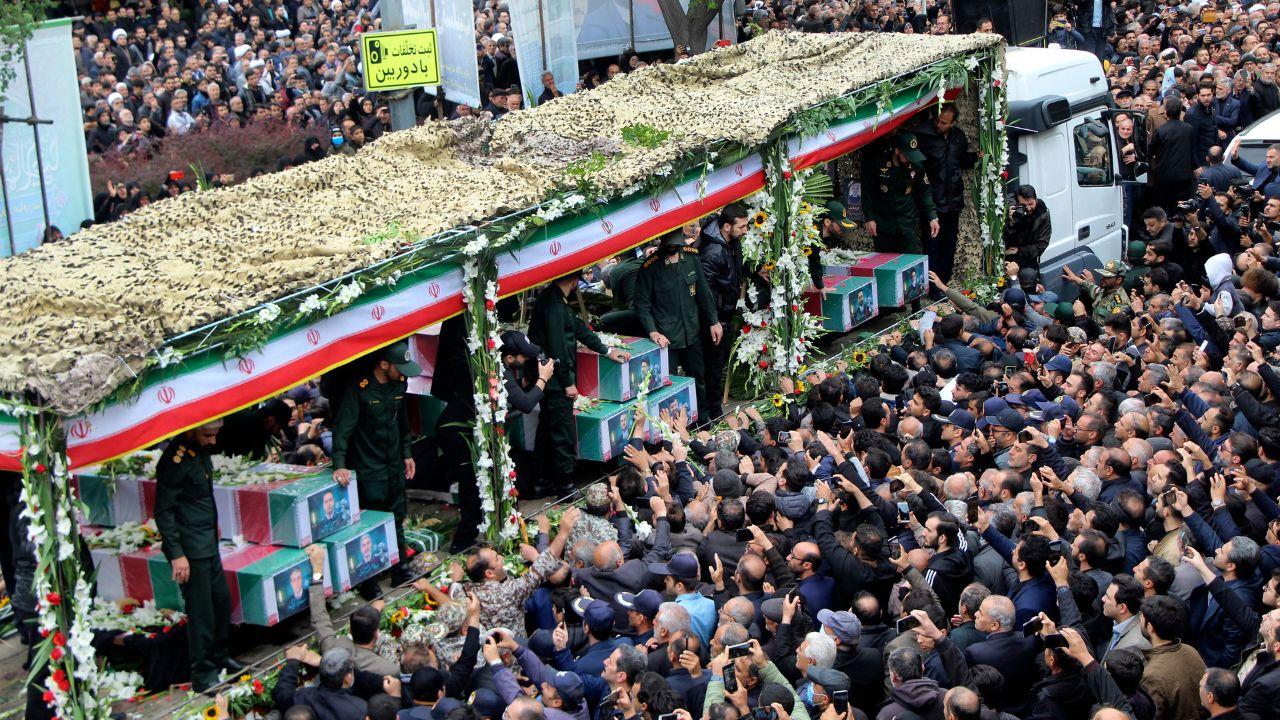
The bodies will be taken through Tabriz, Qom, and Tehran, with the main funeral presided over by Khamenei. Raisi`s final resting place will be the Imam Reza shrine in Mashhad, an honour reflecting his status.
ADVERTISEMENT
7/9
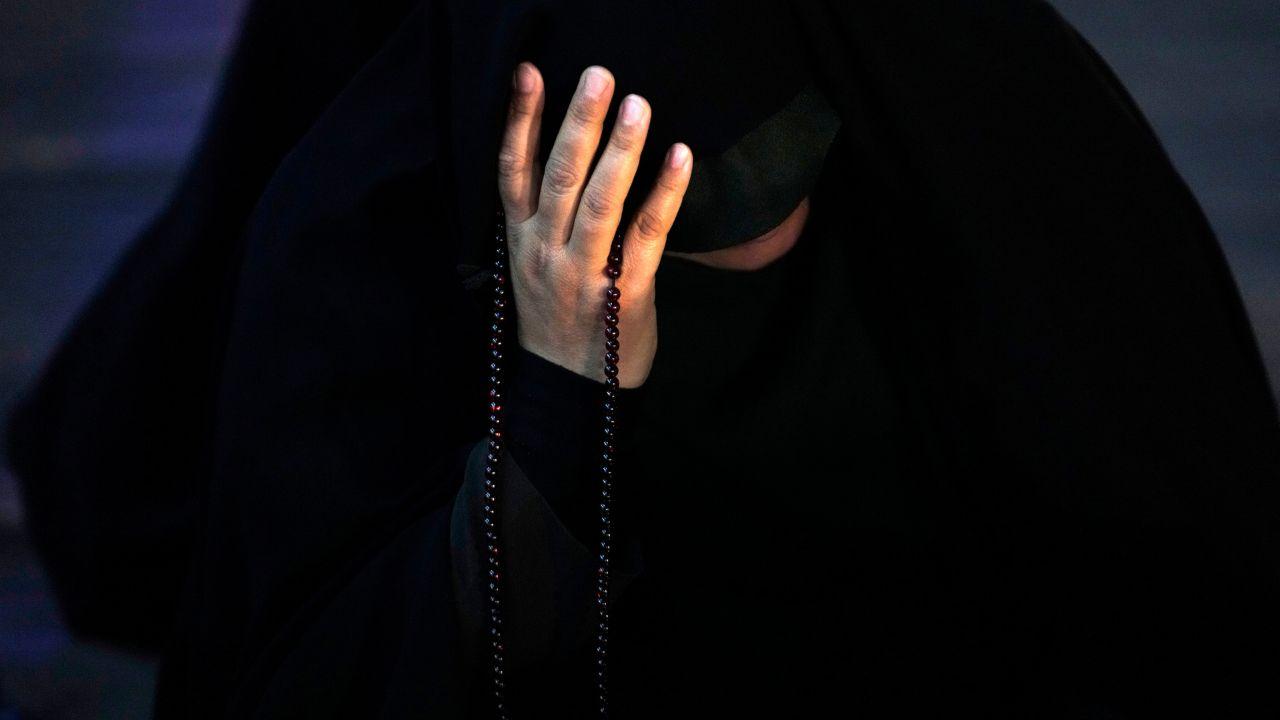
International reaction to Raisi`s death is muted, particularly from Western countries due to his involvement in human rights abuses and Iran’s geopolitical activities, such as supplying drones to Russia.
8/9
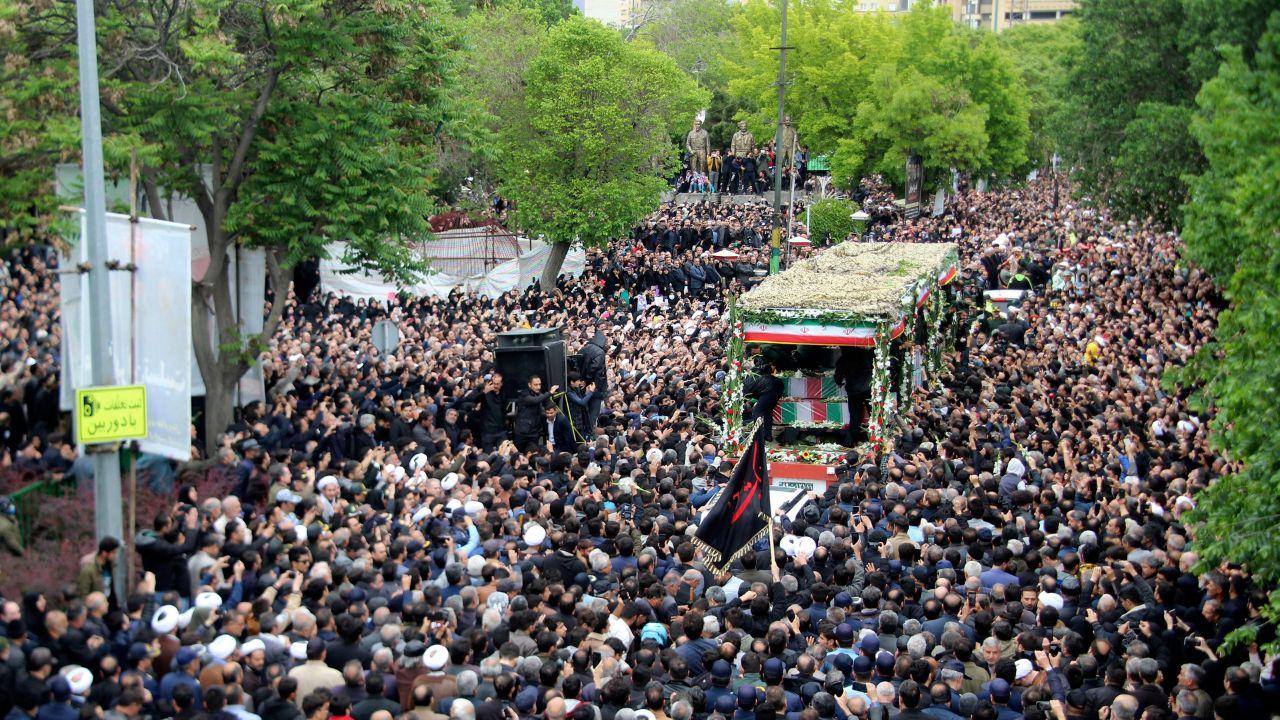
Mixed reactions have surfaced, with some anti-government sentiments and celebrations noted online and in parts of Tehran, reflecting the divisive views on Raisi`s leadership.
ADVERTISEMENT
9/9
The cause of the helicopter crash remains unknown. Iran`s military, rather than its civil aviation authority, will investigate the incident, following past criticism of Iran`s handling of air crash investigations.
ADVERTISEMENT
Photo of Day
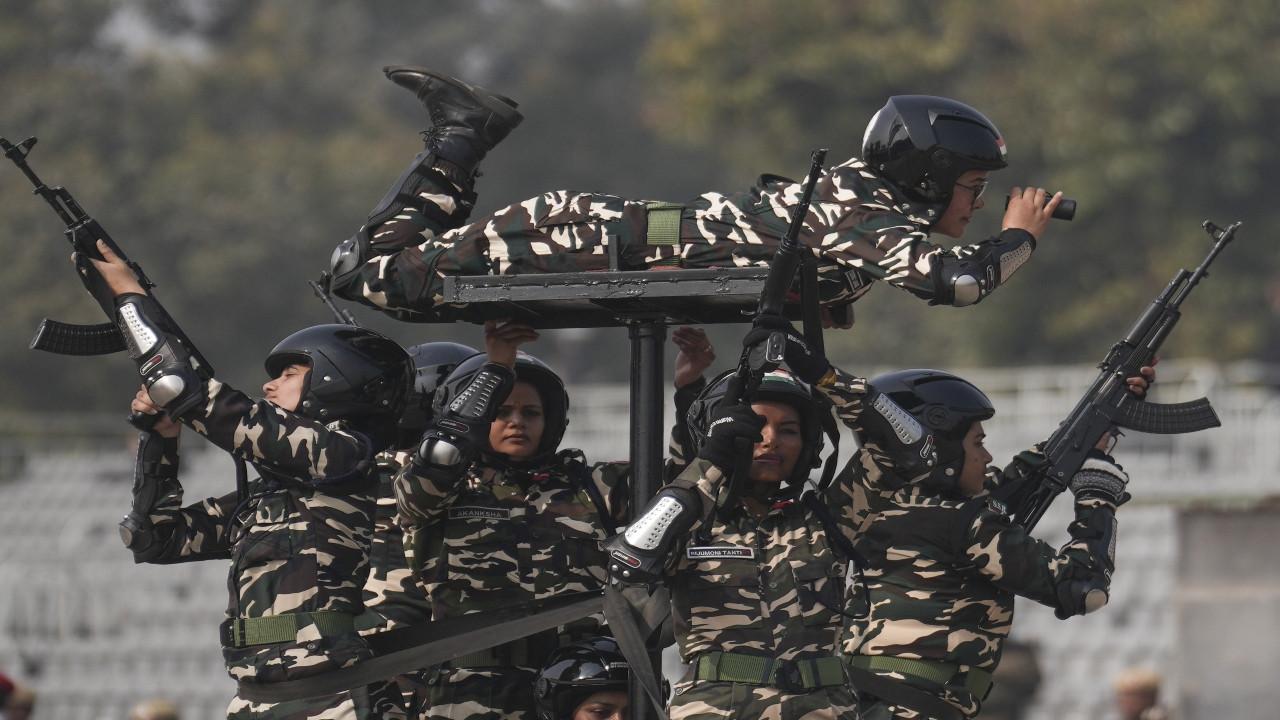
Breaking barriers and building pyramids — Women power in action!
Sashastra Seema Bal’s (SSB) Daredevils team performs during rehearsals for the Republic Day Parade, in New Delhi. PIC/PTI
ADVERTISEMENT