






Ian Chappell: It's been a long stay, MS Dhoni
Updated On: 24 January, 2016 02:40 PM IST | | Ian Chappell
<p>Over-staying your time as captain can have the same debilitating effect on a team, as appointing the wrong player for the job in the first place, writes Ian Chappell</p>

Listen to this article :
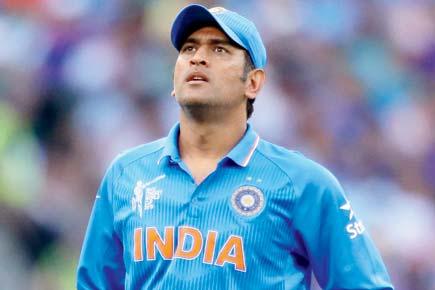
MS Dhoni
 When Alastair Cook lost the Ashes series five-nil in Australia his future as England captain seemed about as limited as a T20 bowling spell.
Not only has Cook survived but he's prospered to the point where he regained the Ashes from those pesky Australians and also rubbed the South Africans' noses into their beloved Wanderers turf. It's been an amazing feat of resilience, perseverance and a strength of mind that was always evident in his batting. He's also shown that a captain who has his team behind him and all pulling in the same direction, has a great chance of achieving success.

MS Dhoni. Pic/Getty Images
Cooperation needed
A good captain can make sensible tactical decisions but if the team isn't fully engaged they won't count for much. Conversely, an ordinary skipper can invoke seemingly dubious strategies but if the team is 100% behind the leader then they'll often succeed.
This doesn't mean captaincy is a popularity contest and the skipper should go out of his way to please everyone
but it does show that a successful leader will have earned the respect of his teammates.
Cook embodies this philosophy; he's not the greatest strategist and he's conservative in his methods but by virtue of hard work and honesty he's earned the respect of a team that wants to play for him.
Not surprisingly his confidence as a captain has grown with the recent spate of successes and despite a poor showing (for him) with the bat, he's enjoying success as a leader.
Trending Stories
Latest Photos
Latest Videos
Latest Web Stories
ADVERTISEMENT
Mid-Day Fast
ADVERTISEMENT

ADVERTISEMENT