Home / Sports / Cricket / Photos / Stop clocks to concussion rules, what’s new in ICC’s updated playing conditions

Stop clocks to concussion rules, what’s new in ICC’s updated playing conditions

Updated On: 27 June, 2025 05:17 PM IST | Srijanee Majumdar

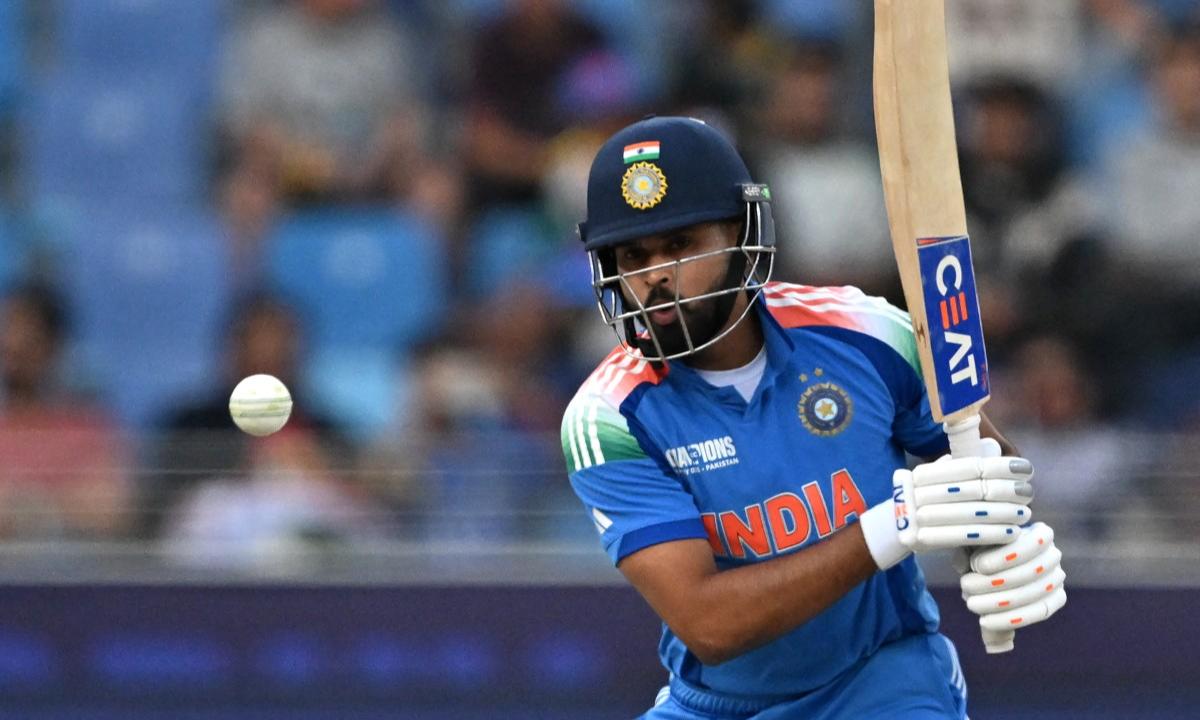
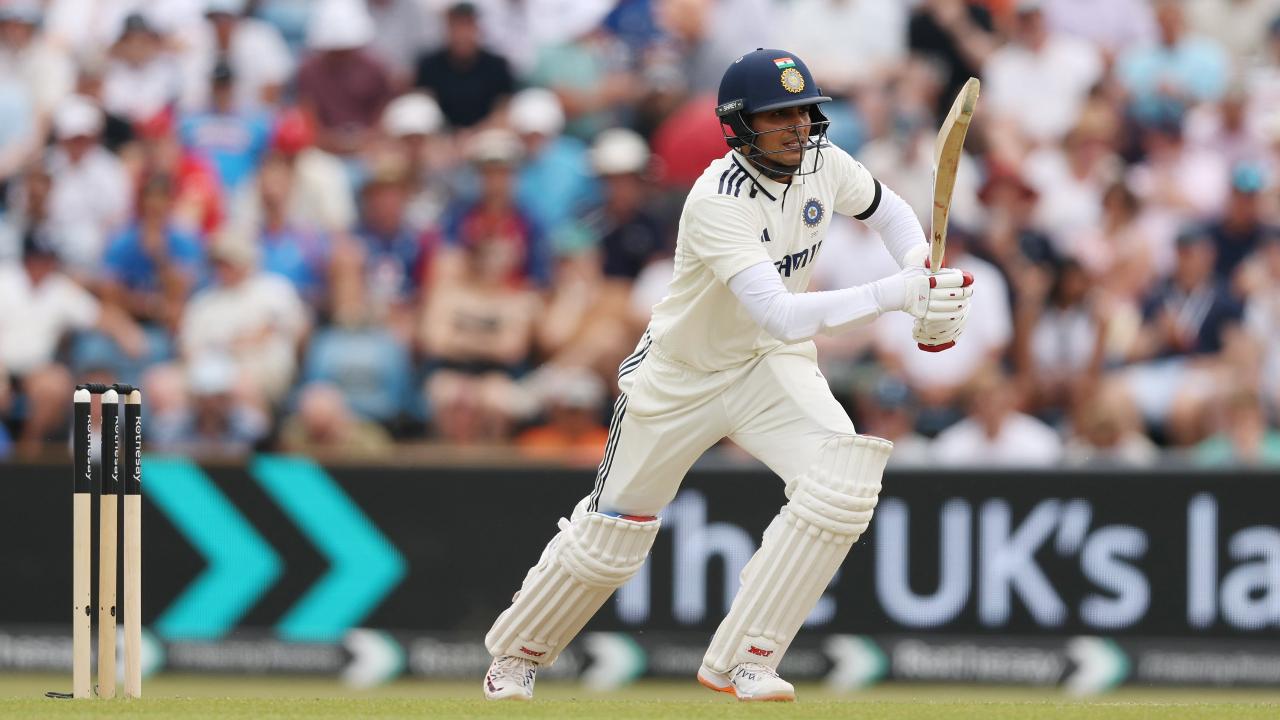
The International Cricket Council (ICC) announced a host of changes to its official playing conditions across formats, aiming to enhance fairness, safety, and efficiency in the modern game. The updated playing conditions came into effect with the Sri Lanka vs Bangladesh Test on June 17. ODI and T20I rules will apply from July 2 and July 10 respectively, beginning with the ongoing Sri Lanka-Bangladesh limited-overs series (Photos: AFP)


The International Cricket Council (ICC) announced a host of changes to its official playing conditions across formats, aiming to enhance fairness, safety, and efficiency in the modern game. The updated playing conditions came into effect with the Sri Lanka vs Bangladesh Test on June 17. ODI and T20I rules will apply from July 2 and July 10 respectively, beginning with the ongoing Sri Lanka-Bangladesh limited-overs series (Photos: AFP)

1/8

The International Cricket Council (ICC) announced a host of changes to its official playing conditions across formats, aiming to enhance fairness, safety, and efficiency in the modern game. The updated playing conditions came into effect with the Sri Lanka vs Bangladesh Test on June 17. ODI and T20I rules will apply from July 2 and July 10 respectively, beginning with the ongoing Sri Lanka-Bangladesh limited-overs series (Photos: AFP)
<p><strong>Stop clock in Test Cricket</strong></p>
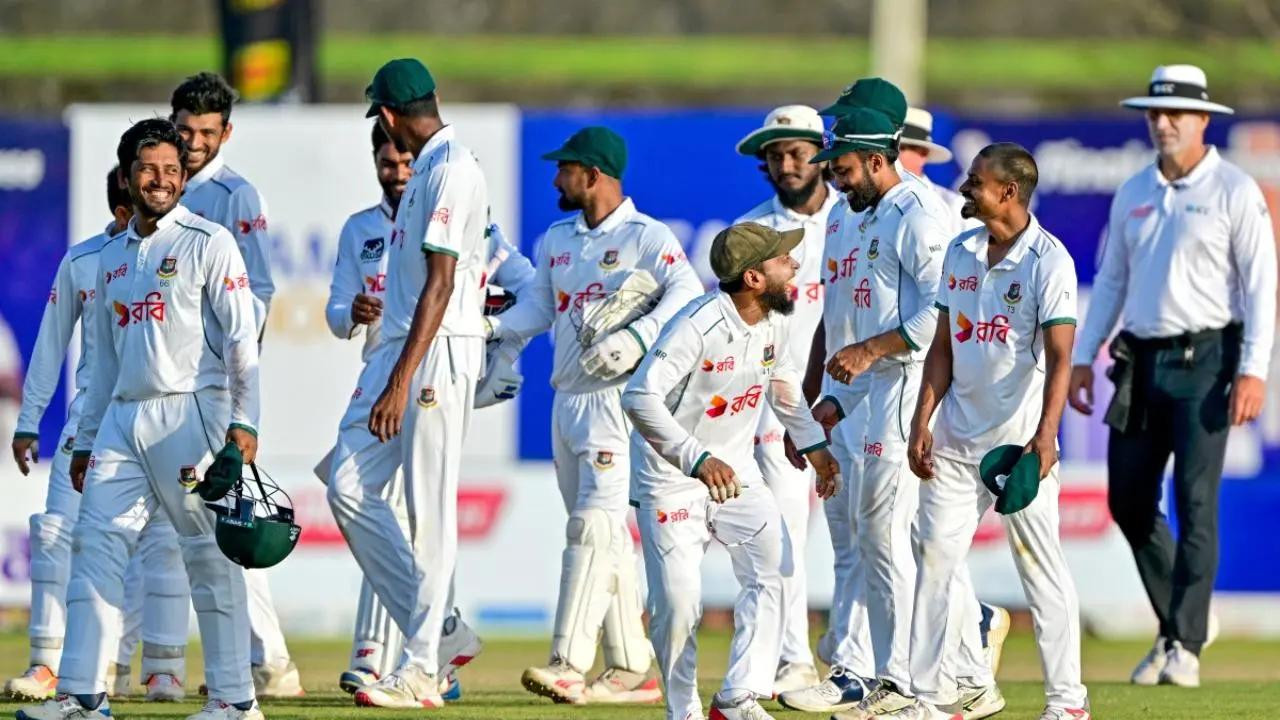
<p><span style="font-weight: 400;">Following its successful implementation in white-ball formats, the stop clock will now feature in Tests. Bowling teams must begin the first delivery of a new over within 60 seconds of the previous one concluding. After two warnings, any third breach in the same innings will result in a five-run penalty. These warnings will reset after every 80-over interval, aligning with the availability of a new ball (Photo: AP)</span></p>

2/8

Stop clock in Test Cricket

Following its successful implementation in white-ball formats, the stop clock will now feature in Tests. Bowling teams must begin the first delivery of a new over within 60 seconds of the previous one concluding. After two warnings, any third breach in the same innings will result in a five-run penalty. These warnings will reset after every 80-over interval, aligning with the availability of a new ball (Photo: AP)

<p><strong>ODI ball usage rule tweaked</strong></p>
<p><span style="font-weight: 400;">In a major change to ODI regulations, the current practice of using two new balls from each end throughout the innings has been modified. Now, two balls will be used for the first 34 overs. For the final 16 overs, the fielding side will choose one of the two to continue with, introducing new strategic dimensions</span></p>

3/8

ODI ball usage rule tweaked

In a major change to ODI regulations, the current practice of using two new balls from each end throughout the innings has been modified. Now, two balls will be used for the first 34 overs. For the final 16 overs, the fielding side will choose one of the two to continue with, introducing new strategic dimensions
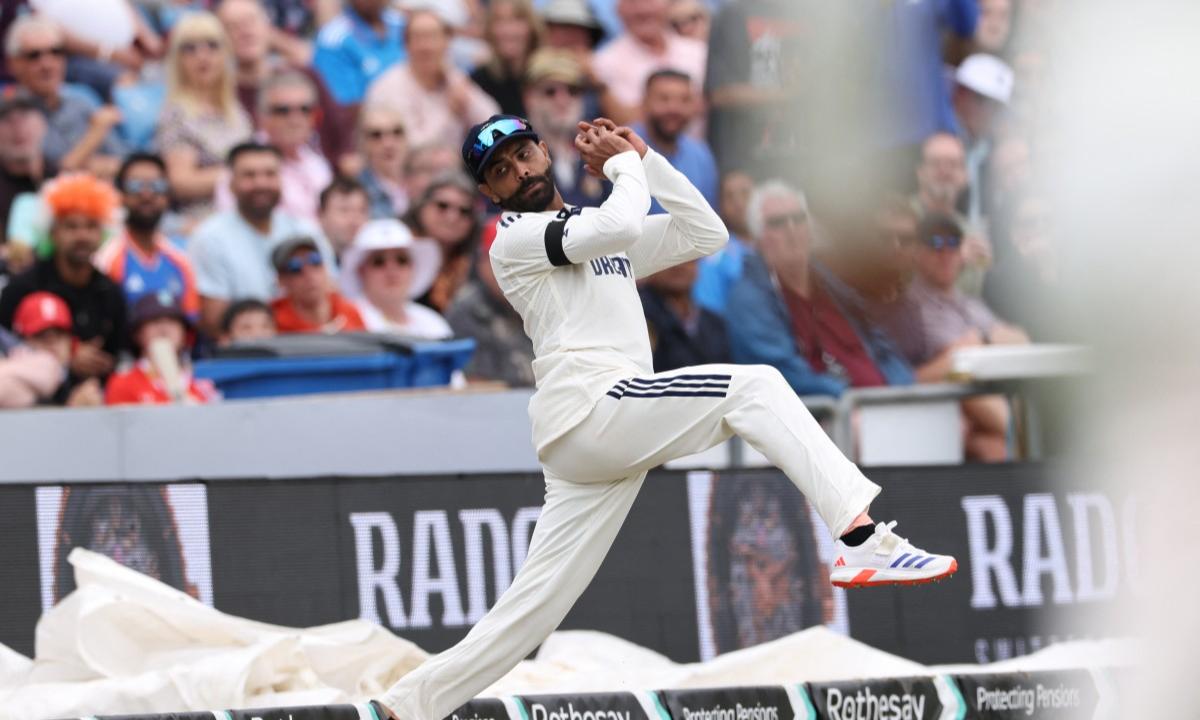
<p><strong>Revised boundary catch protocol</strong></p>
<p><span style="font-weight: 400;">Fielders making initial contact with the ball beyond the boundary while airborne must land and remain completely within the playing area for the catch to be valid. A fielder who steps out after first contact can only touch the ball once more while airborne and must then land fully inside the boundary. This rule will take effect in international cricket before being adopted into the MCC Laws in 2026</span></p>

4/8

Revised boundary catch protocol

Fielders making initial contact with the ball beyond the boundary while airborne must land and remain completely within the playing area for the catch to be valid. A fielder who steps out after first contact can only touch the ball once more while airborne and must then land fully inside the boundary. This rule will take effect in international cricket before being adopted into the MCC Laws in 2026

<p><strong>Deliberate short runs and batting strike</strong></p>
<p><span style="font-weight: 400;">To deter tactical short runs, a five-run penalty remains, but the fielding side will now also be allowed to decide which batter faces the next delivery</span></p>

5/8

Deliberate short runs and batting strike

To deter tactical short runs, a five-run penalty remains, but the fielding side will now also be allowed to decide which batter faces the next delivery
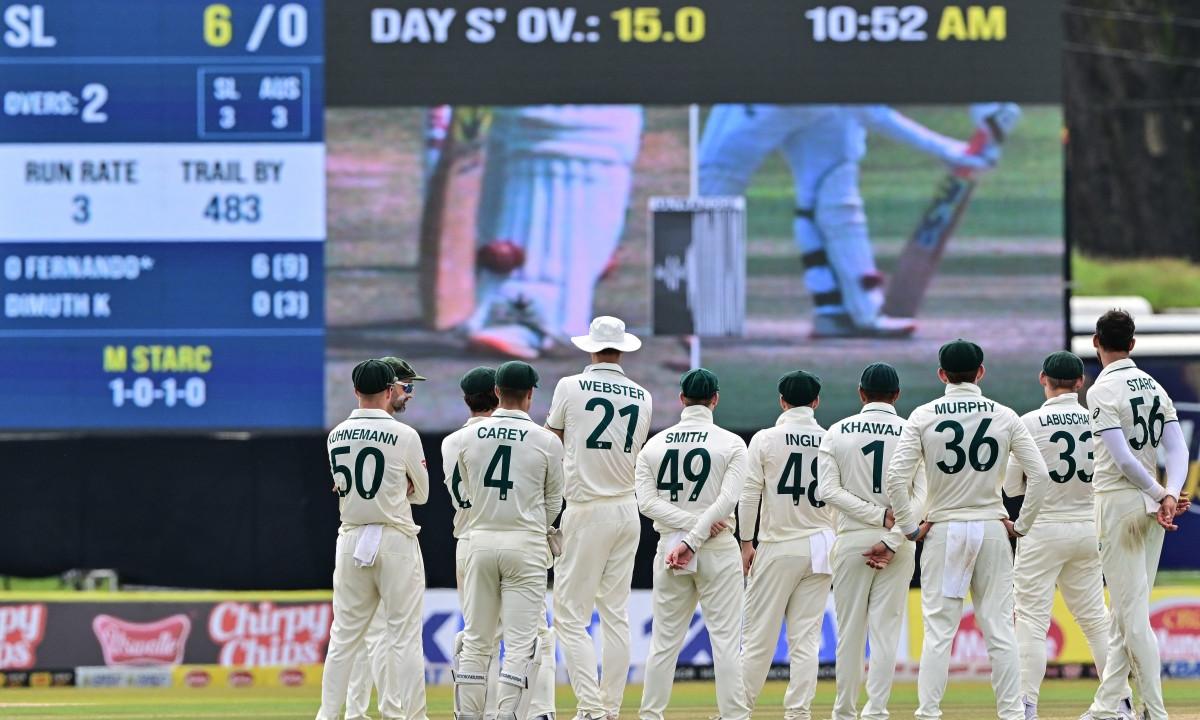
<p><strong>DRS wicket zone refinement</strong></p>
<p><span style="font-weight: 400;">The DRS wicket zone has been precisely redefined to include the actual outline of the stumps and bails</span></p>

6/8

DRS wicket zone refinement

The DRS wicket zone has been precisely redefined to include the actual outline of the stumps and bails

<p><strong>Concussion replacement &amp; stand-down policy</strong></p>
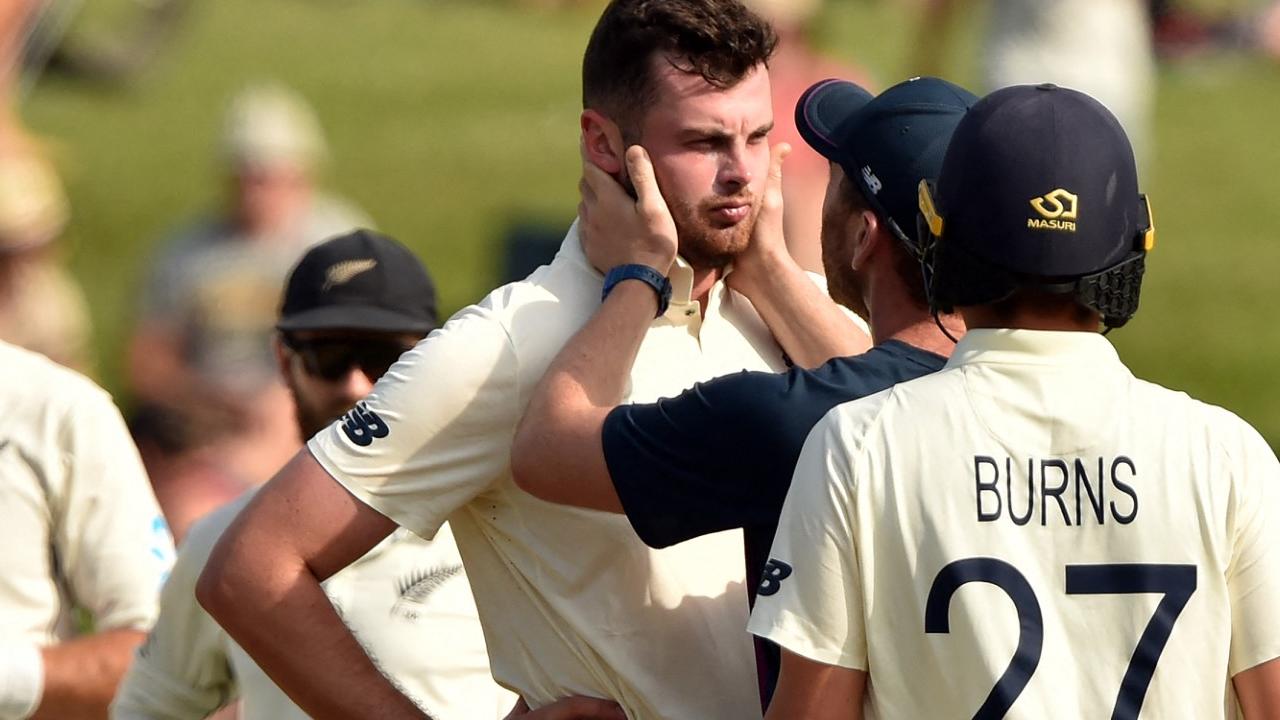
<p><span style="font-weight: 400;">Teams must now pre-nominate concussion substitutes, addressing the previously unfair advantage of home teams with larger squads. Furthermore, any player diagnosed with a concussion will be required to observe a mandatory seven-day rest period before returning to action, as per ICC Medical Advisory Committee guidelines</span></p>

7/8

Concussion replacement & stand-down policy

Teams must now pre-nominate concussion substitutes, addressing the previously unfair advantage of home teams with larger squads. Furthermore, any player diagnosed with a concussion will be required to observe a mandatory seven-day rest period before returning to action, as per ICC Medical Advisory Committee guidelines
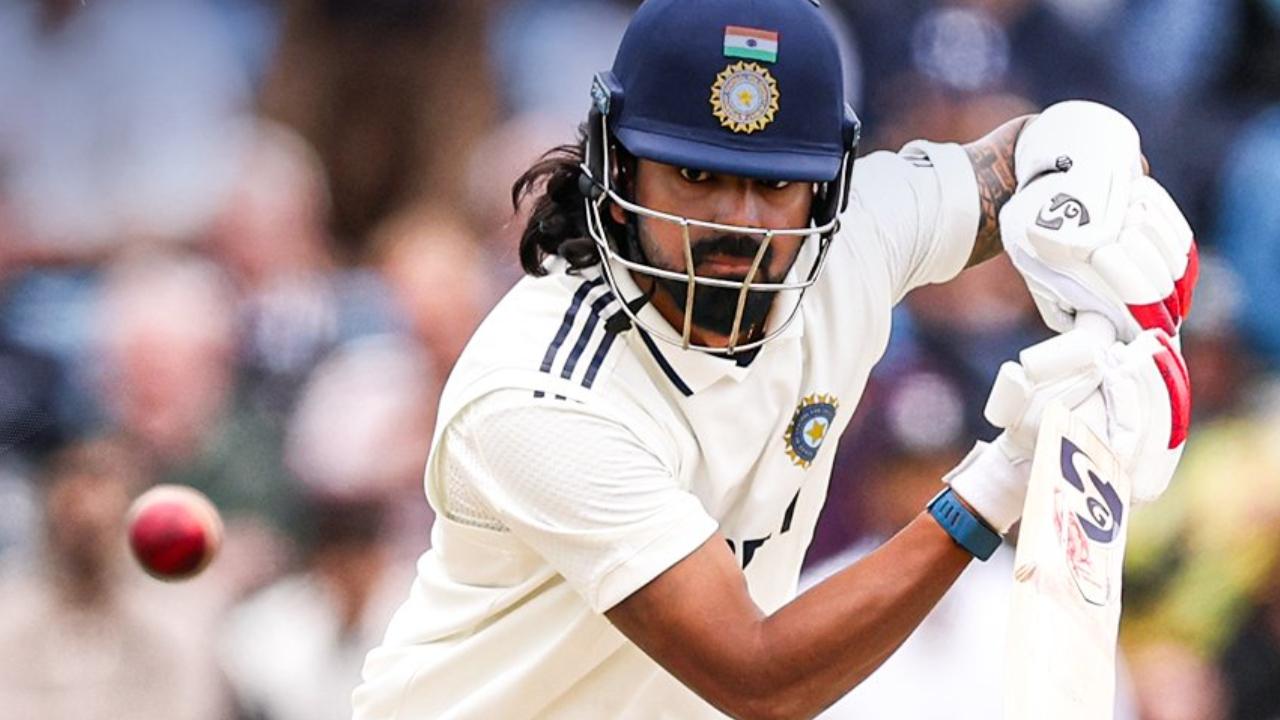
<p><strong>Trial rules and start dates</strong></p>
<p><span style="font-weight: 400;">From October 2025, select Full Member nations will trial new conditions. These include replacement players for serious on-field injuries in domestic first-class matches, and a revised wide-ball rule for ODIs and T20Is. The latter gives bowlers more leeway when batters move laterally at the crease, using the batter&rsquo;s leg position at the time of delivery as a reference point</span></p>

8/8

Trial rules and start dates

From October 2025, select Full Member nations will trial new conditions. These include replacement players for serious on-field injuries in domestic first-class matches, and a revised wide-ball rule for ODIs and T20Is. The latter gives bowlers more leeway when batters move laterally at the crease, using the batter’s leg position at the time of delivery as a reference point

Photo of Day

Breaking barriers and building pyramids — Women power in action!

Breaking barriers and building pyramids — Women power in action!

Sashastra Seema Bal’s (SSB) Daredevils team performs during rehearsals for the Republic Day Parade, in New Delhi. PIC/PTI

Advertisement