Home / Sunday-mid-day / Article /
‘A state of no regulation benefits everyone’
Updated On: 28 January, 2024 07:08 AM IST | Mumbai | Team SMD
A new report by the Vidhi Centre for Legal Policy explains how the anti-defection law in India has failed to cut down the same political defections it is meant for





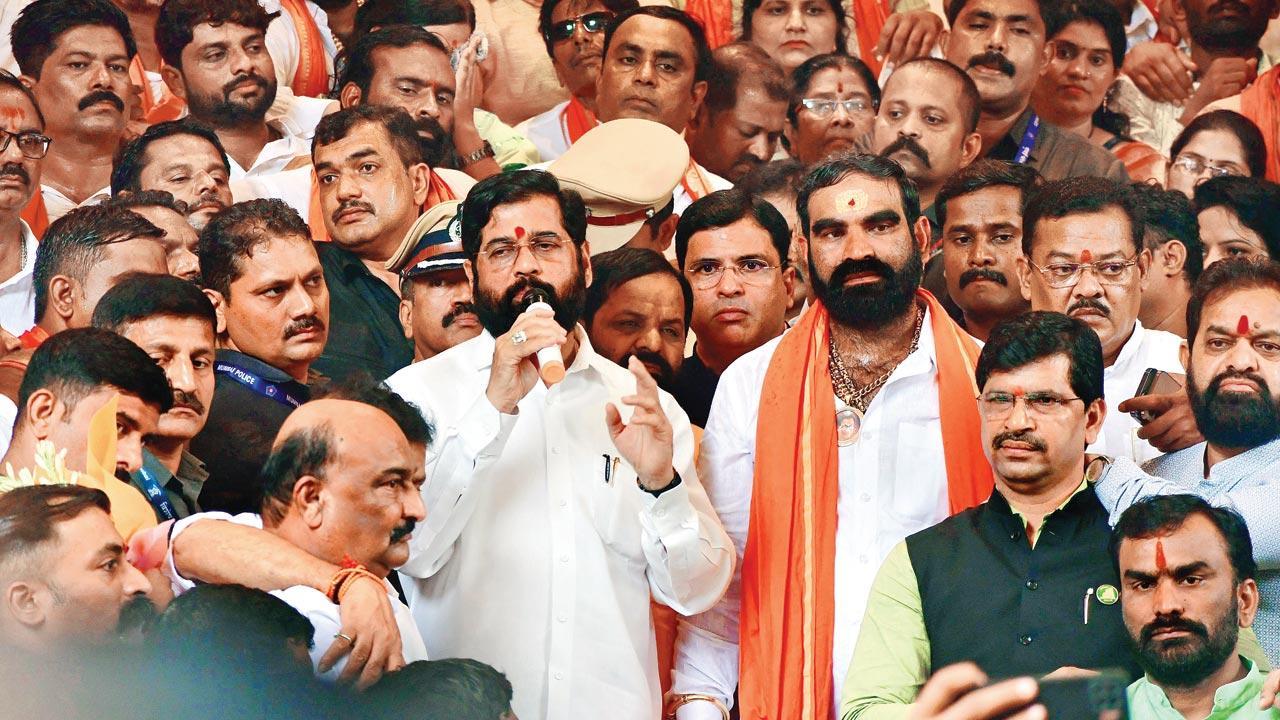
The anti-defection law was not applied to the split in the Shiv Sena that occurred in June 2022. Pic/Getty Images
India's anti-defection law was added to the Constitution by the 52nd Amendment act of 1985, which inserted a Tenth Schedule. The law was enacted against the backdrop of the political situation in the 1960s and 70s, which was volatile and saw frequent floor-crossing by legislators, from one party to another. The Indian National Congress had just returned to power after winning the eighth General Elections, with Rajiv Gandhi as Prime Minister. However, he had to contend with rebellions within the party and frequent defections and splits. To curb these defections, the 52nd Amendment Bill was introduced in the Lok Sabha.
However, scholars and legal experts later vocalised that the law caused more defections than it aimed to prevent. Ritwika Sharma and Mayuri Gupta are Fellows at the Vidhi Centre for Legal Policy, Delhi, and work in Charkha, Vidhi’s dedicated constitutional law team. They break down the irregularities of this piece of legislation in their November 2023 report, Anatomy of India’s Anti-Defection Law: Identifying Problems, Suggesting Solutions. Excerpts from mid-day’s conversation with them:
How do you like the new new mid-day.com experience? Share your feedback and help us improve.
Trending Stories
Latest Photos
Latest Videos
Latest Web Stories
ADVERTISEMENT
Mid-Day Fast
ADVERTISEMENT