Home / Sunday-mid-day / / Article /
As Elphinstone Bridge comes down, here are some of Mumbai's most iconic bridges
Updated On: 28 September, 2025 10:04 AM IST | Mumbai | Junisha Dama
As we bid farewell to the 125-year-old Elphinstone Bridge, we look back at other colonial-era bridges that carried carts, cars, and millions of daily lives



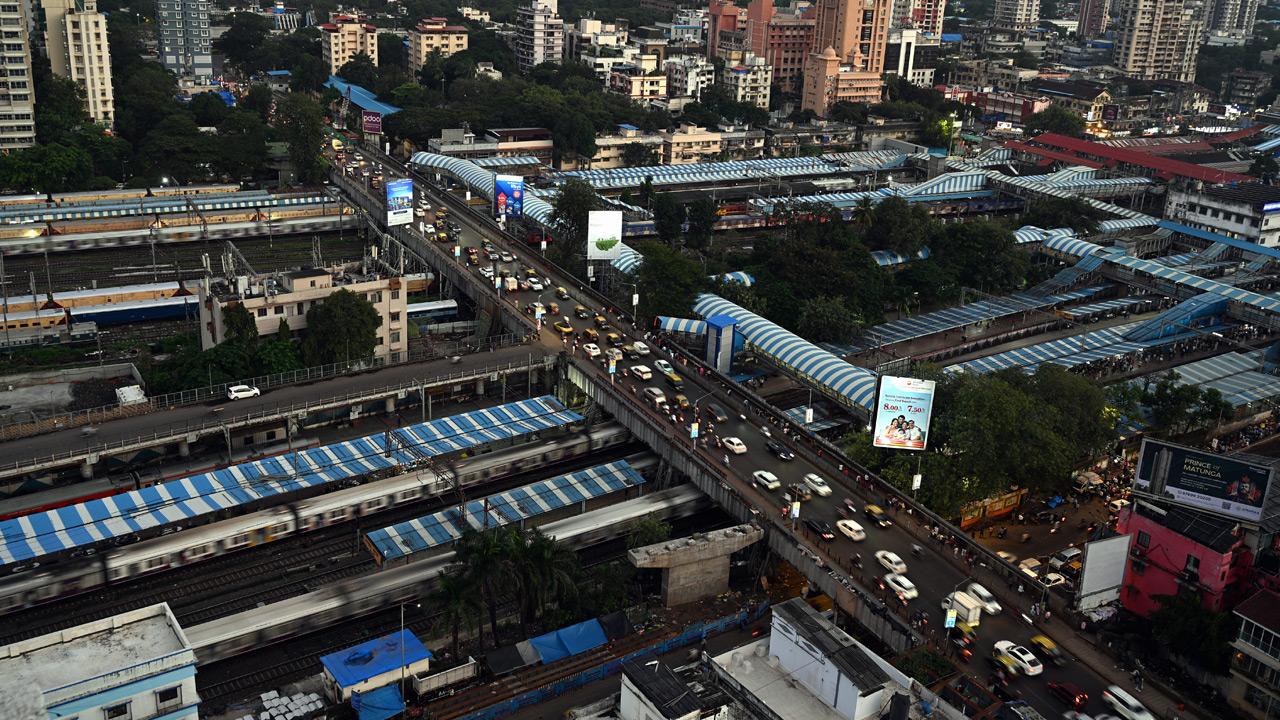
FILE PIC/KIRTI SURVE PARADE
When the wrecking machines moved into Parel earlier this month, it wasn’t just another demolition. Elphinstone Bridge, standing tall since 1913, is being brought down after serving generations of commuters. Built as a crucial east-west connector over the railway line, it bore the name of Lord Elphinstone, Bombay’s Governor from 1853-60. For 125 years, it carried the city’s workforce; with its fall, we will see contemporary history take shape in the form of the Sewri-Worli Elevated Connector. But it’s one of many bridges whose stories are stitched into Mumbai’s fabric. From engineering feats to symbols of neighbourhood pride, these British-era bridges have shaped the city’s journey.
Tilak Bridge, Dadar
Built in 1925, Tilak Bridge, once known as Kingsway Bridge, was never just about moving people. It was part of a 1920s push to make Dadar a new residential hub. Linking east and west seamlessly, it transformed the suburb into a busy commercial and residential pocket. Today, it is being expanded into a new R375-crore, six-lane cable-stayed bridge, but the original stone-and-steel structure, from when Mumbai was still Bombay, remains.
Trending Stories
Latest Photos
Latest Videos
Latest Web Stories
ADVERTISEMENT
Mid-Day Fast
ADVERTISEMENT

ADVERTISEMENT