Home / Sunday-mid-day / Article /
Badi achhe lagte hain
Updated On: 03 July, 2022 08:11 AM IST | Mumbai | Nasrin Modak Siddiqi
The humble sun-dried badi, wadi or bori is an expression of the ancient Indian art of preservation practiced across the country’s communities and makes for a beautiful backup during the rains





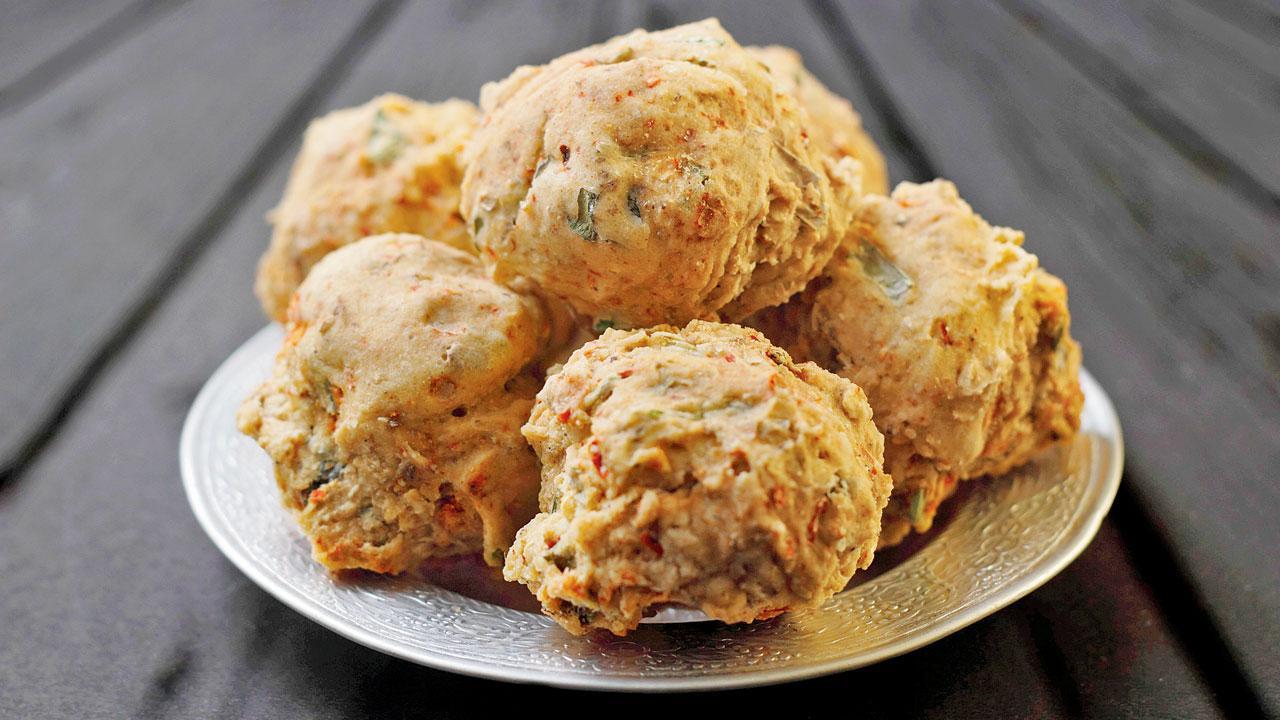
The Amritsari wadiyan are masaledar, made with urad dal, whole peppercorns and crushed red chillis
We are an agrarian society; we never waste food, instead, we preserve by using salt or by sun-drying,” says home chef Iti Misra over a phone call from Kolkata. She is referring to the bori, also called badi or wadi, a sun-dried fermented lentil dough dumpling that’s eaten both as snack and to add to gravy dishes with potato, fish and meat. The spicy variant, masala bori, made with urad dal, chilli, hing, sauf and ginger is Misra’s favourite. The hing and sauf assist digestion of protein. Some communities like the Gujaratis use the lighter moong dal, and up the nutrition value with the addition of mushy amaranth or palak. The Bengali bhaja bori uses tiny half-inch masoor dal boris, that are deep-fried, lighter than any meringue, and eaten as accompaniment or added to mains like shukto (vegetable stew) and lau ghonto (bottle gourd curry) for added texture.

In Bengal, daler bori or dal dumplings are a unique way of preserving lentils. Usually made of urad dal, masoor or black gram, the soaked dal is ground and left to ferment before salt, kalonji and spices are added, shaped into mini dumplings and laid out in the sun to dry. The dried bori can be stored and used up to a year to up a meal’s protein count. The dry bori when fried makes for a tasty, crunchy snack. Pics/Sameer Markande
Trending Stories
Latest Photos
Latest Videos
Latest Web Stories
ADVERTISEMENT
Mid-Day Fast
ADVERTISEMENT