Home / Sunday-mid-day / Article /
Bombay before Mumbai
Updated On: 04 September, 2022 11:43 AM IST | Mumbai | Mitali Parekh
It’s not theirs, it’s not ours—it’s everyone’s. The first in a series that debunks the governor’s claim about Gujaratis and Marwaris building Bombay, looks at the role of Pathare Prabhus and East Indians





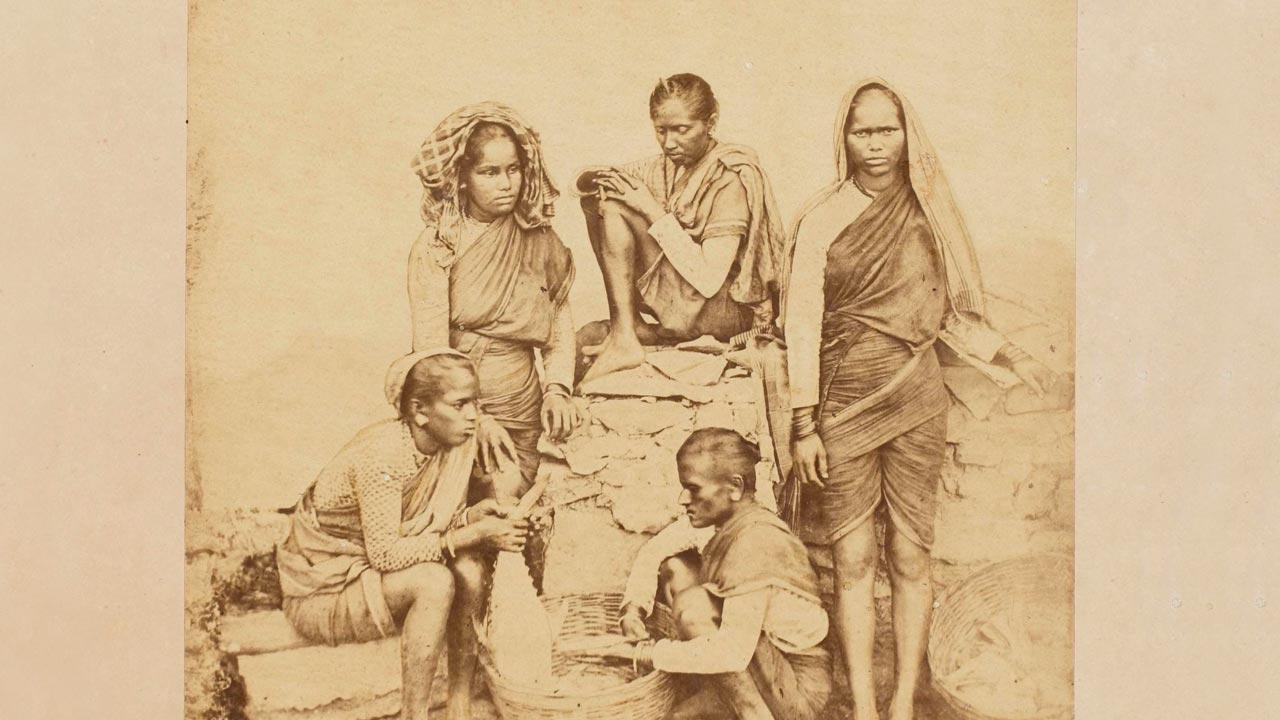
The Kolis are the oldest known inhabitants of the seven islands that make up this city, they have lived here for centuries—some say since 600 BCE. This community may not be as visible on the city’s bustling streets as they once were, but in a way, they still shape Mumbai’s identity. Their historical legacy is imprinted in the names of several neighbourhoods in Mumbai, including Sion Koliwada (homes facing the sea), Warli Koliwada and Mazagaon, a corruption of “machcha gaum”, ie fishing village. Pic courtesy/William Johnson, Sarmaya Arts Foundation
It’s our favourite bone of contention in Mumbai, and a few weeks ago, Maharashtra Governor BS Koshyari picked at it again when he said that the financial capital
of India would cease to be so if the Rajasthanis and Gujaratis moved away.
The Pathare Prabhus tucked in their nauvaris for war; the East Indians sighed in familiar resignation; In the Parsi baugs of this city, India’s Zoroastrian community clutched at their pearls; colourful expletives rang across Irani cafes fronted by Persian migrants; In history and architecture books, the British underlined their contribution. In Chinchpokli’s cemetery, a lone Jew—simultaneously a Baghdadi and a Bene Israeli—turned in his grave. Somewhere deep under the earth at Antop Hill, also lay an Armenian.
Trending Stories
Latest Photos
Latest Videos
Latest Web Stories
ADVERTISEMENT
Mid-Day Fast
ADVERTISEMENT