Home / Sunday-mid-day / Article /
Dive into India's musical tradition with this cop's love for qawali
Updated On: 09 April, 2023 07:56 AM IST | Mumbai | Jane Borges
Delhi’s ex joint commissioner of police rekindles his fascination for qawali in the hope of spreading word about the late mystic poet





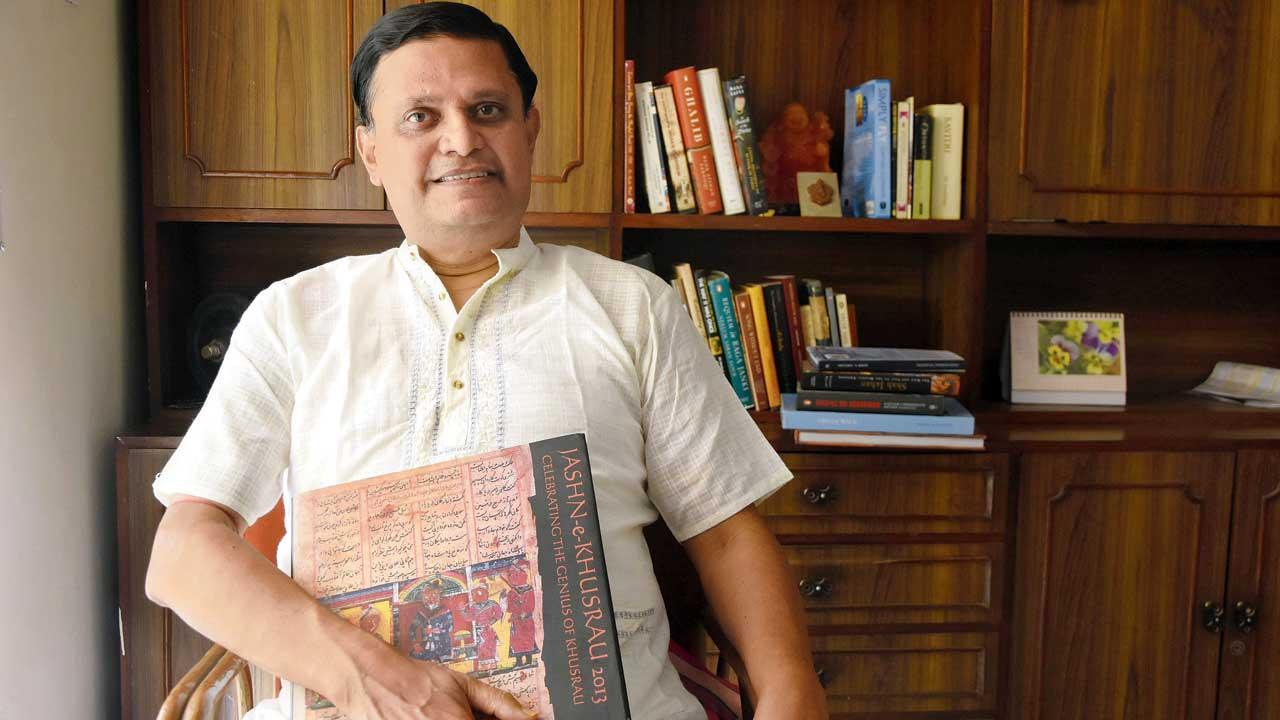
Retired police officer Shivaji Sinha will give a talk on Amir Khusrau and his qawalis, at the Museum of Goa, in Pilerne today, where he will discuss the spiritual and social significance of different forms of qawali and their role in building India’s syncretic culture
As a child, Shivaji Sinha was enamoured by the qawals. His first brush with them was at age 10 in Allahabad, today Prayagraj, where his father, an Army doctor, was posted. “We lived in the Cantonment and right across our home, there was a Sufi saint’s dargah. During his death anniversary, which is called the Urs, there used to be a celebration because followers of Sufism don’t see death as a moment of sadness, but a joyous union with God,” Sinha tells, “At the time of the Urs, a qawali programme was organised at the dargah.” Sinha remembers making a dash and staying there late into the night. “My mother thought I was too young for this, but I was blown away by the songs and sounds, even though I didn’t understand the words.”
Sinha, a former intelligence officer, who retired as joint commissioner of police, Delhi, in 2020, and is currently based out of Goa where he works as Chief Security Officer, at the new Mopa airport, is also a passionate theatre and culture enthusiast. This Sunday, the former cop will be conducting a talk titled, In the Bazaar of Love: Amir Khusrau and his Qawalis, at the Museum of Goa, in Pilerne, where he hopes to discuss the spiritual and social significance of different forms of qawali and how they helped build India’s syncretic culture, and the role of Hazrat Amir Khusrau particularly in the development of qawali music in India.
“Although I was raised in an Army home, my parents didn’t confine themselves to the cantonment. They were very passionate about the arts,” he recalls. His father, he says, would participate in a host of cultural activities, including the annual Durga Pujo celebrations, and also dabbled in theatre. His mother was a singer. “I also started performing along with them.”
Trending Stories
Latest Photos
Latest Videos
Latest Web Stories
ADVERTISEMENT

Ganeshotsav 2026

ADVERTISEMENT