Home / Sunday-mid-day / Article /
Dam you!
Updated On: 11 August, 2024 07:48 AM IST | Mumbai | Arpika Bhosale
The latest victim of global warming are barrages that are producing dangerous methane only to add to rising temperatures. As many of the country’s dams crumble under fiercer monsoons, we need to ask, do we need dams at all?





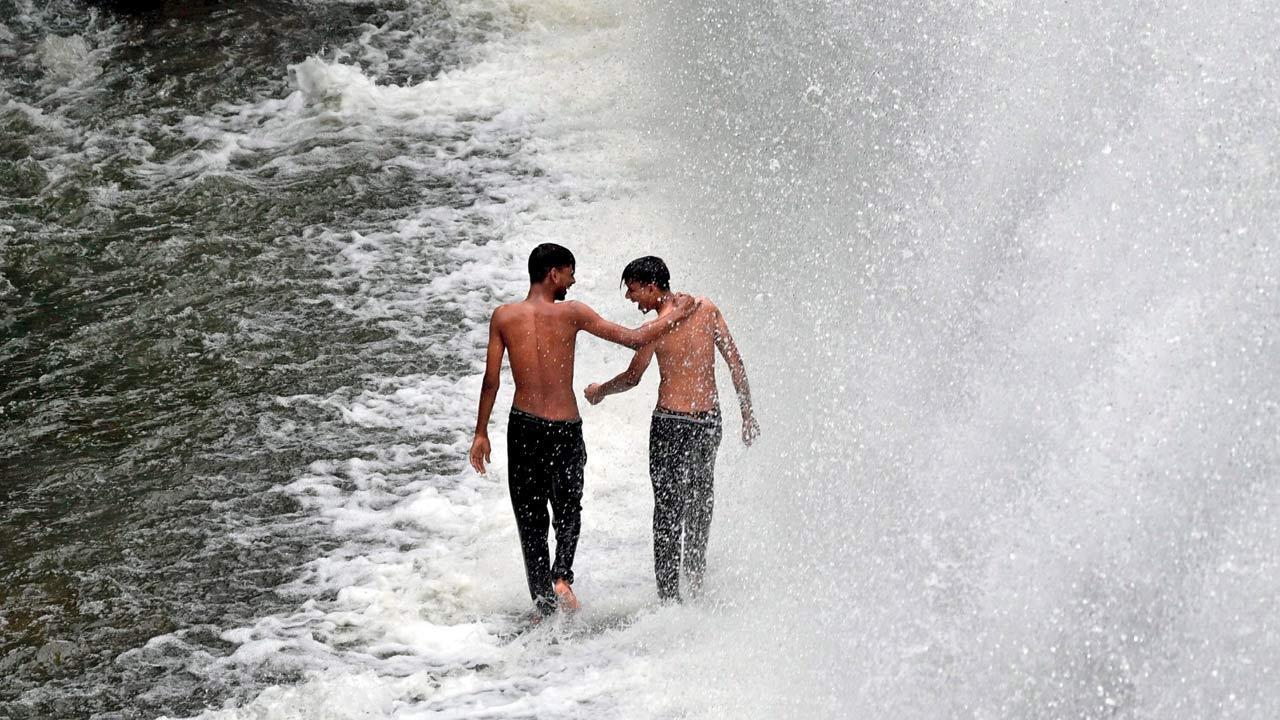
Powai dam overflowing on July 24 after incessant rains in the city. Not only is the over-topping of water from a dam a reason behind it weakening, but is clear indication that dams are not built keeping the changing climate in mind. Pic/Sayyed Sameer Abedi
On August 4, Punekars awoke from a Sunday siesta to find their city flooded after the authorities released 45,000 cusecs of excess water from Khadakwasla dam at 5.30 pm, following torrential rain through the day. Unprecedented downpour of 100 mm in catchment areas such as Varasgaon and Temghar caught the authorities by surprise, prompting them to open the dam’s gates to prevent a breach. This overflow gushed through the low-lying areas, prompting authorities to evacuate residents, even as the city witnessed four deaths in rain-related incidents.
Such episodes can no longer be called “freak weather”, and are quickly becoming the norm instead, as climate change exposes the country to extreme weather patterns. A new study released on August 6, titled Managing Monsoons in a Warming Climate, revealed that 70 per cent of Indian districts now experience increased frequency and intensity of extreme rainfall events. The first-of-its-kind study was conducted by sustainable infrastructure consultant IPE Global and Geographic Information System specialists Esri India and released at a symposium organised by UNESCO.
Trending Stories
Latest Photos
Latest Videos
Latest Web Stories
ADVERTISEMENT

Ganeshotsav 2026

ADVERTISEMENT