






Home / Sunday-mid-day / / Article /
This think tank is monitoring if Covid-19 orphans are receiving promised care
Updated On: 06 November, 2022 08:26 AM IST | Mumbai | Heena Khandelwal
A think tank inspects whether kids orphaned by COVID-19 are receiving the care and benefits promised

Listen to this article :
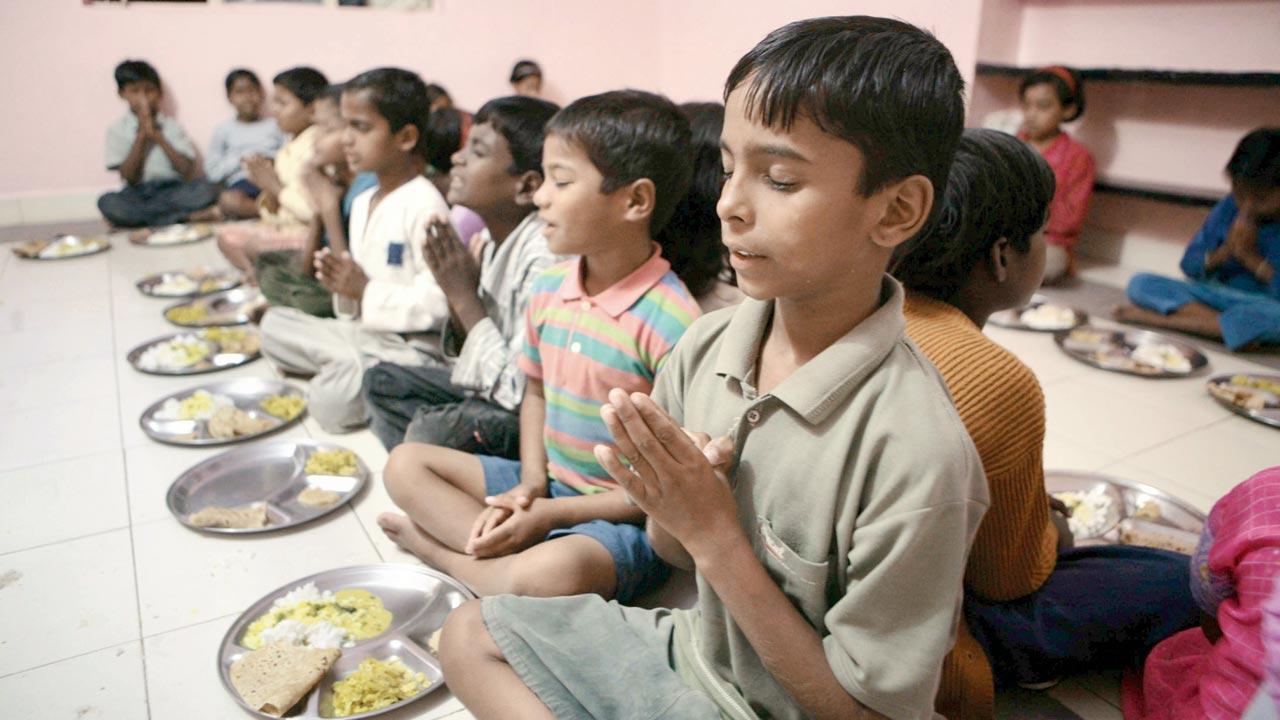
A file photo of children from Snehalaya Orphanage in Ahmednagar. According to Vulnerable Children of Maharashtra report, most Child Welfare Committees and District Child Protection Units face difficulty in coordination and implementation of Juvenile Justice (Care and Protection of Children Act 2015), due to limited staff, funding and training. Pic/Getty Images
During the second wave of the pandemic, amongst texts of unlikely cures for COVID-19 and inspirational memes on WhatsApp, were pleas for adoption of children orphaned by the lethal disease. This galvanised Vidhi Centre for Legal Policy, a state-based independent think-tank, to study the various initiatives undertaken by the state government to support those who lost their parents. At 20,429, Maharashtra has the second highest number of orphans in the country; The nation-wide number is 1.5 lakh. The state is among the top five in India for children orphaned by COVID-19—788.
Titled Vulnerable Children of Maharashtra, the report highlighted that despite strong concern from every quarter, and a dedicated task force in each district to identify and rehabilitate such children, there were discrepancies in providing benefits: The starkest of them being the requirement for proof of COVID-19 mortality, in the form of death certificates. The report by research fellow Sakshi Pawar and Rahela Khorakiwala, a former senior resident fellow at Vidhi, also noted that most Child Welfare Committees (CWCs) and District Child Protection Units (DCPUs) face difficulty in coordination and implementation of Juvenile Justice (Care and Protection of Children Act 2015), due to limited staffing, funding and training. mid-day reached out to the authors of the report (Khorakiwala is now an advocate with the law firm Federal & Company) to understand why these children are not adopted, the status of foster care and why they continue to be discriminated against.
Trending Stories
Latest Photos
Latest Videos
Latest Web Stories
ADVERTISEMENT
Mid-Day Fast
ADVERTISEMENT

ADVERTISEMENT