Home / Sunday-mid-day / Article /
How Mumbai fought the British Raj
Updated On: 11 August, 2024 08:00 AM IST | Mumbai | Anand Singh
There are many such sites in the city that hide in plain sight today, but were once key to the Independence movement





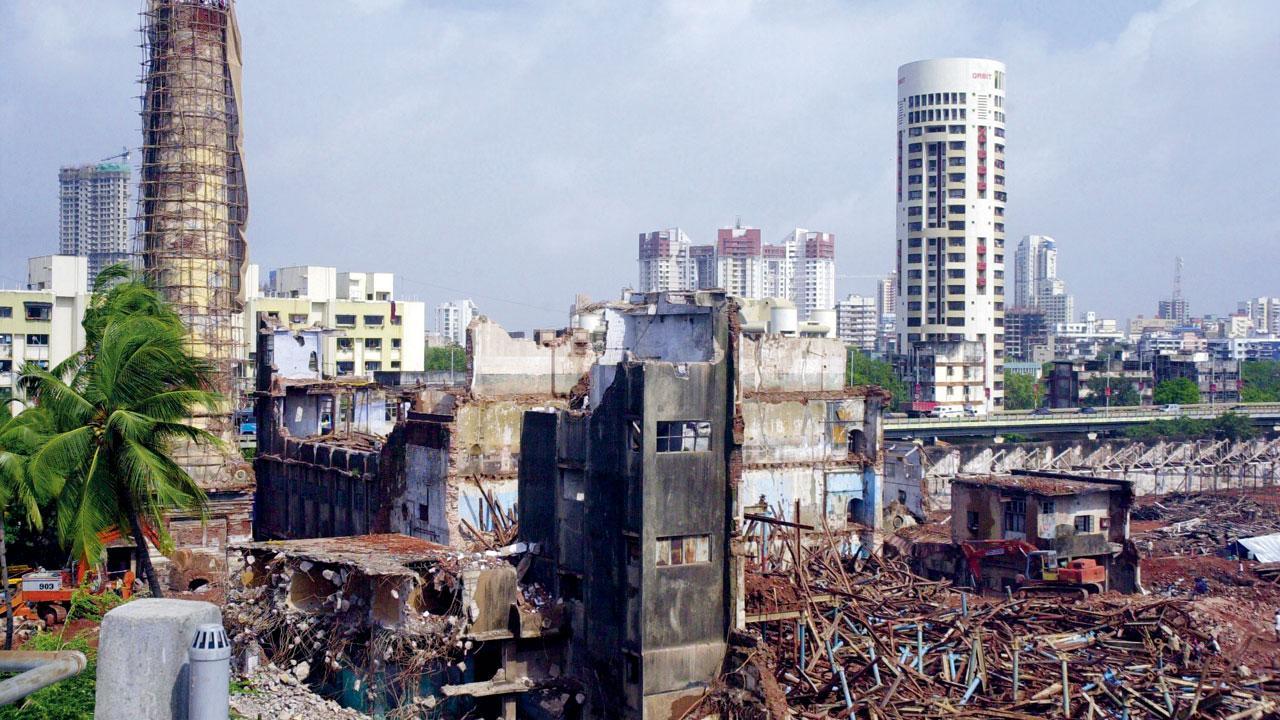
Elphinstone Mill in Parel, which was demolished in 2005 following a Bombay High Court order. Pic/Ashish Rane
From massive strikes by mill workers across the island city to protest against freedom fighters being jailed, to the civil disobedience movement being launched in the western suburbs, Mumbai echoes with stories of the freedom struggle that culminated with India attaining independence 77 years ago. There are many such sites in the city that hide in plain sight today, but were once key to the Independence movement. In conversation with Anita Rane-Kothare, historian and head of the ancient Indian history, culture and archaeology department at St Xavier’s College, Sunday mid-day uncovers some of these iconic landmarks.
Salt Satyagraha at Wadala
The mass agitation in Wadala during the Salt Satyagraha was one of the seminal moments in the fight against the British. Approximately 15,000 activists and many other citizens rallied against the British Raj’s oppressive Salt Act of 1882, which prohibited Indians from collecting or selling salt. Congress volunteers mobilised the people of Wadala to raid the local salt depot, but the protesters—including women and children—faced severe police brutality. Despite numerous injuries and arrests, the demonstration continued in the suburbs, marking one of the most intense agitations in the country during the Independence movement.
Trending Stories
Latest Photos
Latest Videos
Latest Web Stories
ADVERTISEMENT

Ganeshotsav 2026

ADVERTISEMENT