









Home / Sunday-mid-day / / Article /
Experts decode the trade-off involved in manufacturing this trendy skincare goo
Updated On: 16 April, 2023 07:18 AM IST | Mumbai | Mitali Parekh
As the magical bee goo is trending for putting a glow on our skin and healing wounds, what price is the ecosystem paying?

Listen to this article :
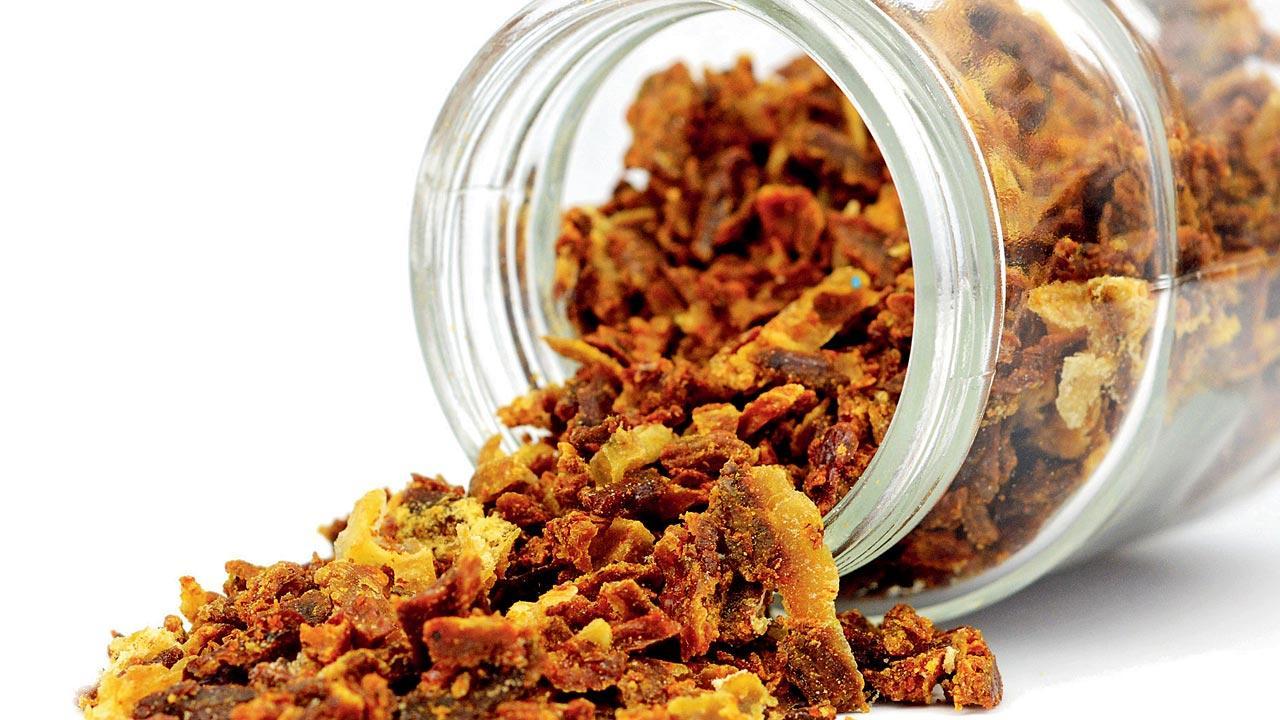
Not new to civilisation, bee glue has been used for embalming, oral health and even to treat wounds on fish. It’s what bees regurgitate after ingesting pollen, plant resin, and tree sap
Heard of propolis yet? You will soon. It’s the newly-rediscovered, ancient wonder ingredient—used to keep pharaohs fresh in tombs while their souls travelled to the other worlds—that’s trickling into Indian skincare and wellness. Propolis-based toothpaste from New Zealand is already sitting in the aisles of local pharmacy chains, and homegrown beauty brand Earth Rhythm has three products—serum, cleansing balm and overnight gel—with this as the hero ingredient.
So what is this tongue-twister? “Bees collect all kinds of plant debris,” explains regenerative farmer Simrit Malhi, “not just pollen—flower and leaf sap, tree resin, bark, leafy material, tiny seeds. Honey bees swallow and regurgitate this debris, mix it with beeswax and honey, and line their hives.” Propolis is made up of plant material, enzymes from the bees’ stomach, honey and beeswax (secreted by honey bees to construct their honeycomb). Propolis or “bee penicillin” provides both, structural support and sterilisation.
Trending Stories
Latest Photos
Latest Videos
Latest Web Stories
ADVERTISEMENT
Mid-Day Fast
ADVERTISEMENT

ADVERTISEMENT