






Home / Sunday-mid-day / / Article /
‘It’s not a budhapa thing’
Updated On: 15 September, 2024 08:09 AM IST | Mumbai | Arpika Bhosale
The case of the lost-and-found BARC scientist has shown how communities need to form a safety net for elders with dementia… at least until dedicated centres for their care rise

Listen to this article :
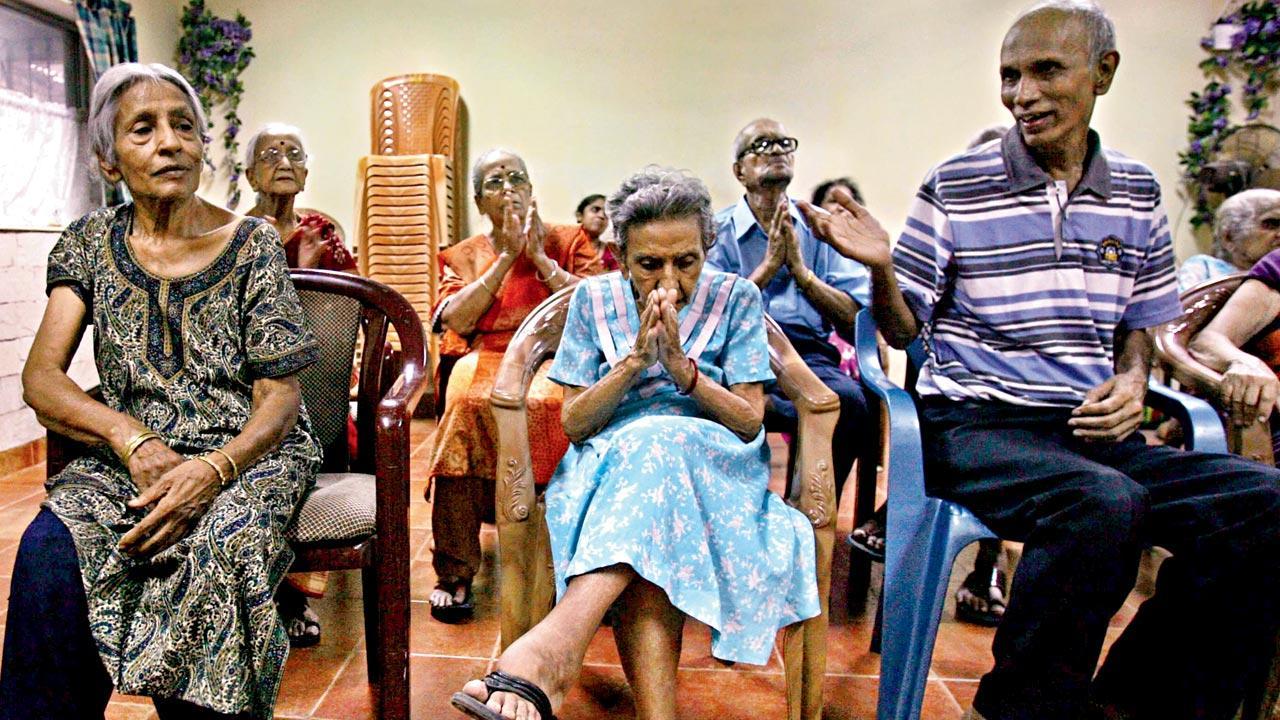
With ageing populations worldwide, dementia numbers are estimated to rise to 131 million by 2050. Pic/Getty Images
On September 5, Dr Vinayak Kolvankar, a retired scientist, went below his home at Bandra East’s MIG Colony to buy fresh flowers for puja, as on any other day. He was found on September 11 in Andheri West. Struck by dementia five years ago, the former BARC (Bhabha Atomic Research Centre) employee had wandered for six days. Kolvankar’s story is one that some of us may have witnessed first-hand with a family member.
Dementia is a broad term for diseases of cognitive decay that affect a person’s ability to think, remember, and perform daily activities and social abilities. There are six kinds of dementia, with Alzheimer’s disease and vascular dementia being the most common. It’s not a normal part of aging, though age is the biggest known risk factor. In India, dementia is often brushed away as age-related forgetfulness.
Read Next Story
Trending Stories
Latest Photos
Latest Videos
Latest Web Stories
ADVERTISEMENT
Mid-Day Fast
ADVERTISEMENT

ADVERTISEMENT