Home / Sunday-mid-day / Article /
Keep off the tweet
Updated On: 29 May, 2022 08:27 AM IST | Mumbai | Aastha Atray Banan | Nimisha Patil
With NYT asking its reporters to restrict Twitter use, the question that begs to be asked is whether it’s possible to not have a public-facing social media account and still do journalism





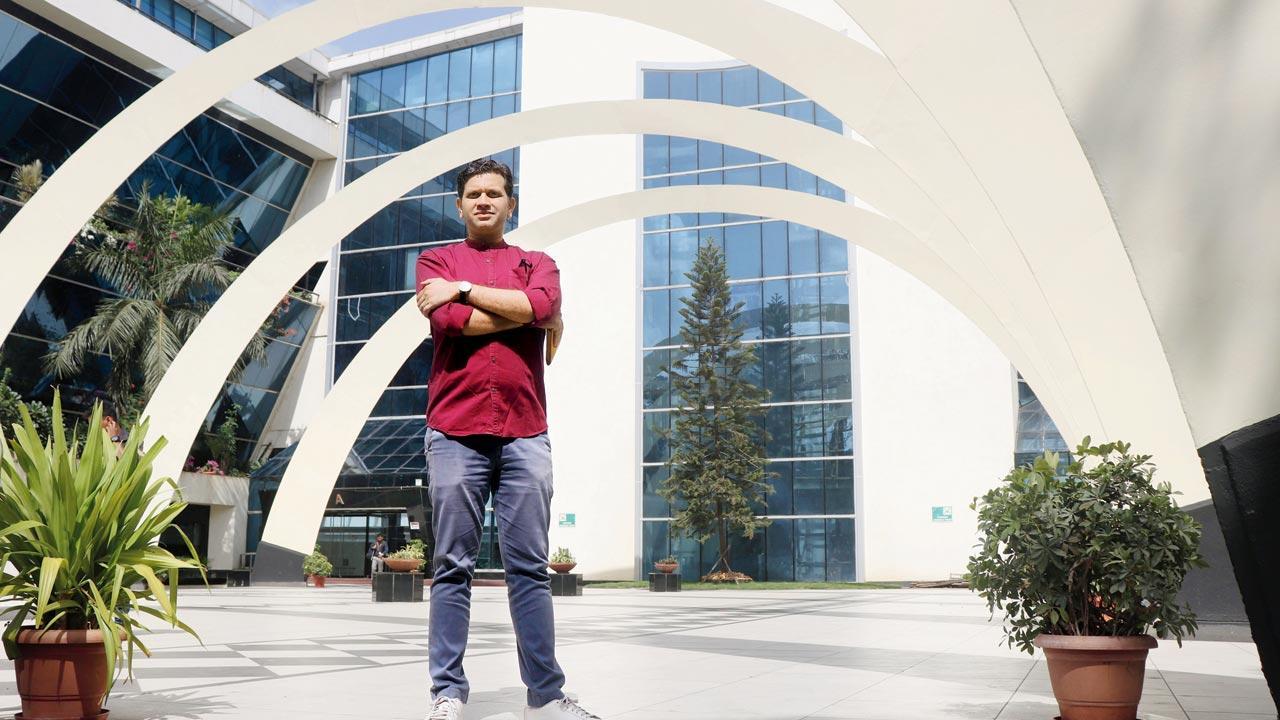
Kunal Purohit says that the changing political climate in India has made it even more vital for “journalists to occupy space on social media platforms like Twitter” to fight misinformation. Pic/Anurag Ahire
In February this year, when news of Indian students being stranded in war-torn Ukraine started trickling in, every journalist worth their salt was scrambling for “the big story”. Twitter was where the first exclusive news breaks were being shared. Even though the narratives were starkly at odds—where India Today journalist Gaurav Sawant’s viral videos of students pleading for help from Kyiv station forced authorities to take notice, there was also Shaziya N, a Republic Bharat journalist, whose theatrical reportage and video clips, drew a plethora of memes—Twitter became an important tool to disseminate news from the conflict-ridden country.
Despite people increasingly turning to social media for news, The New York Times, one of the world’s leading dailies with a circulation of 54.96 lakh, has decided to cut-back its use. Last month, the newspaper’s executive editor Dean Baquet and deputy managing editor Cliff Levy, in a series of memos, asked its staffers to either stop using Twitter, or at least, avoid using it too often. The memos stated that the social media network, “takes up too much of journalists’ time, warps their reporting by changing who they see as their audience and the feedback they get on their work, is a major driver of harassment and abuse, and bad tweets are a significant reputational threat to the paper and its staffers”.
Trending Stories
Latest Photos
Latest Videos
Latest Web Stories
ADVERTISEMENT
Mid-Day Fast
ADVERTISEMENT