Home / Sunday-mid-day / Article /
What is 'Mother Wound' and why is it becoming a focus in psychological healing
Updated On: 26 March, 2023 09:52 AM IST | Mumbai | Mitali Parekh
Early attachment style with the mater, what has been Insta-labelled Mother Wound, is becoming a focus in core psychological healing and pop culture. And no one’s wondering why





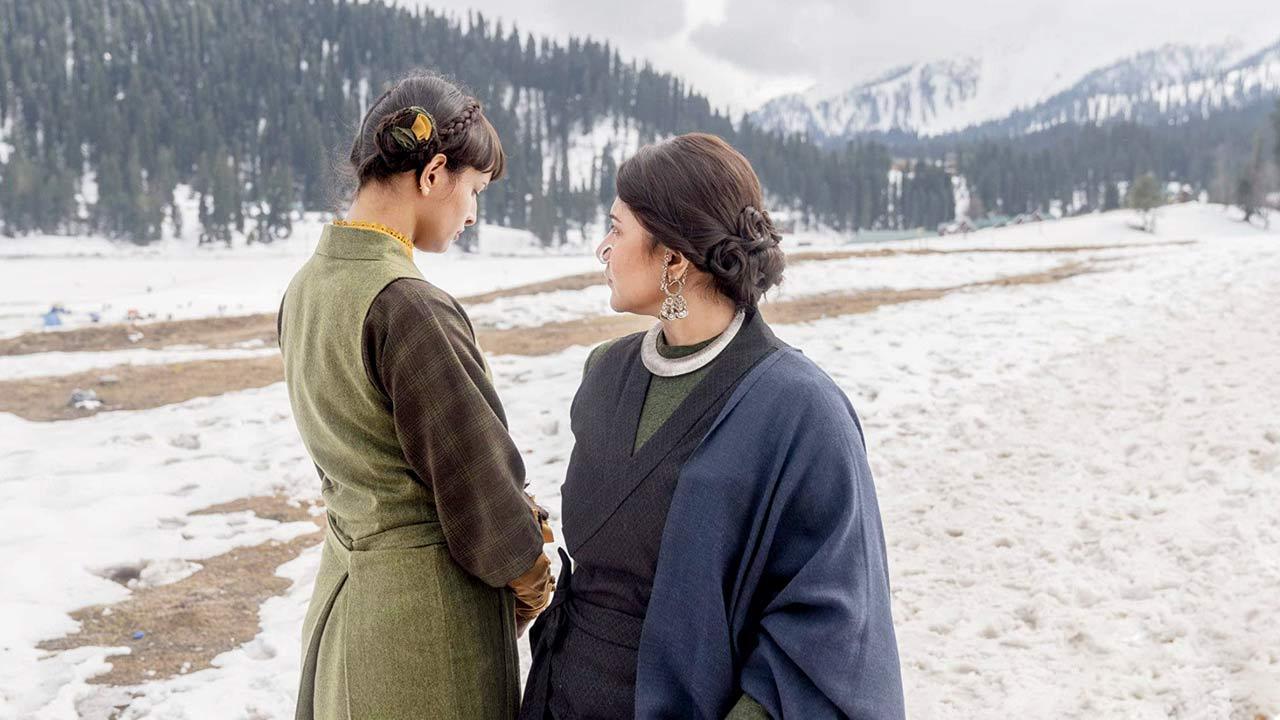
Several strains of mother-daughter conflict came together in Qala’s plot
It’s so easy to draw women to movie theatres and OTT screens: Just tell their stories. And in the now times, Qala, Everything Everywhere All at Once, The Eternal Daughter, August: Osage County and Gillian Flynn’s haunting Sharp Objects showing us stories that Sigmund Freud forgot—that of mothers and daughters. And not in that limited, fading beauty, rising beauty trope; but in layers of complexity. Women ingesting, digesting and regurgitating trauma, daughter after daughter.
So, Qala’s Urmila Manjushree may prefer a son to a daughter, but she’s also discerning of exceptional talent, which will become a vehicle for her personal ambition. She is a sexual being, not again solely for ambition, but also personal pleasure. Evelyn Wang is overworked by her need to succeed to justify her decision—to her disapproving father—of moving to the US with her boyfriend. Her veiling her daughter’s sexuality comes not from her own disapproval, but the fear of it from her father. This pull-push of rebellion-seeking approval risks the fate of all known universes in the film. By the end of Qala, there are no winners—not Urmila, not her daughter Qala, nor Jagan. In Sharp Objects, Adora Crellin’s daughters—Camille Preaker and Amma Crellin—process and manifest trauma differently. One internalises and takes it out on herself; the other takes it out on the world.
Trending Stories
Latest Photos
Latest Videos
Latest Web Stories
ADVERTISEMENT
Mid-Day Fast
ADVERTISEMENT