






Home / Sunday-mid-day / / Article /
Why Maharashtra owes Sufi tradition to Tughlaq
Updated On: 25 September, 2022 10:55 AM IST | Mumbai | Team SMD
Historian Rana Safvi’s new book delves into the legend of the gold-giving Sufi saint and his disciples who made Deccan their garden

Listen to this article :
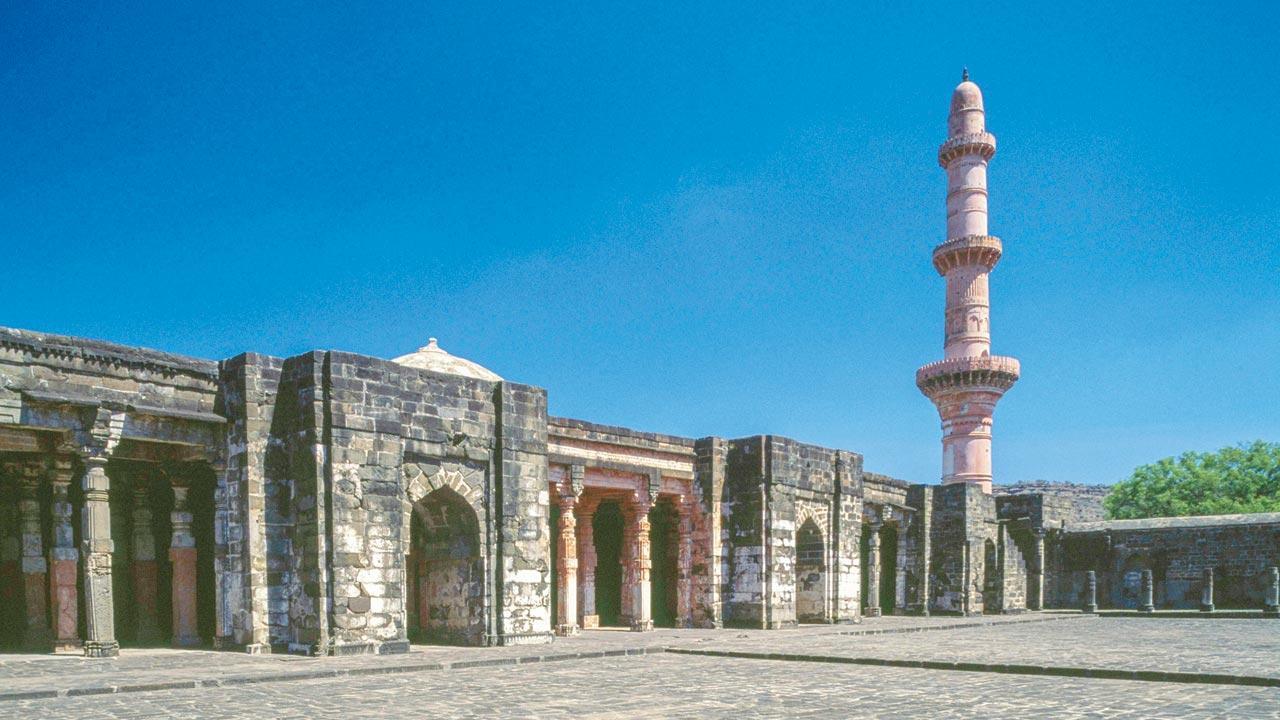
When Tughlaq ordered that his capital shift from Delhi to Daulatabad
While Delhi is known as the threshold of 22 saints, Khuldabad near Aurangabad in Maharashtra is known as the garden of saints. The relative peace offered by Delhi in the Sultanate period attracted the secular and religious people of Central Asia, which was being ravaged by the Mongols. They were welcomed by Sultan Iltutmish, who was a Sufi himself, and by subsequent rulers. Many believers attribute the safety of Delhi to the blessings of Hazrat Nizamuddin Auliya. Sultan Muhammad bin Tughlaq was a disciple of the saint and is said to have been one of his pallbearers.
When Sultan Muhammad bin Tughluq ordered, in 1327, that his capital be shifted from Delhi to Deogir, which he renamed Daulatabad, he instructed the elites, nobles, officers, common men, and even the saints to shift with him. The Sufi saints—1,400 of them—decided to settle in an area near Daulatabad. The shrines of these saints dot the area, which is why the place was initially called Rauza (garden/shrine). After Aurangzeb’s burial, it was renamed Khuldabad, after his posthumous title khuld-makani (he who resides in paradise). Famous saints such as Shah Raja Qattal, Sheikh Burhanuddin Garib, Sheikh Muntajibuddin and Sheikh Zainuddin Shirazi are buried there.
Trending Stories
Latest Photos
Latest Videos
Latest Web Stories
ADVERTISEMENT
Mid-Day Fast
ADVERTISEMENT

ADVERTISEMENT